
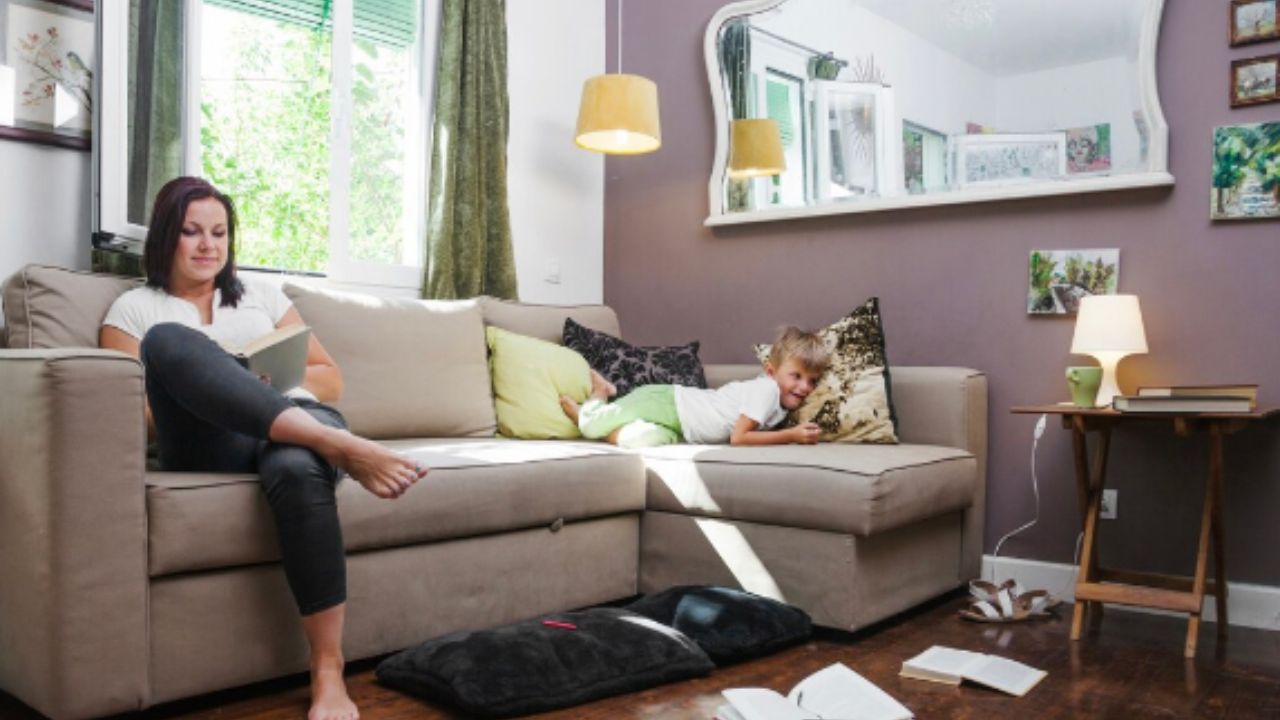
The dream of a sprawling, open-concept living area often meets the reality of modern urban living: the compact “cozy” apartment. However, a limited footprint does not mean you have to compromise on style or comfort. In 2026, interior design has shifted toward “smart living”—a philosophy where every square inch is curated for maximum utility and aesthetic appeal.
Whether you are dealing with a studio apartment or a narrow bungalow, the secret lies in visual trickery, multifunctional pieces, and strategic layout planning. This guide explores 25 innovative small living room ideas that will help you reclaim your space and turn your living room into a functional masterpiece.
1. Embrace the Power of “Floating” Furniture
One of the oldest tricks in the interior design book is still the most effective: showing more floor space makes a room feel larger. Leggy sofas and “floating” wall-mounted consoles create an unobstructed view of the floor, tricking the eye into perceiving a wider area.
Quick Guide: Floating Elements
|
Feature |
Benefit |
Pro Tip |
|
Wall-Mounted TV Unit |
Clears floor clutter |
Hide cables behind a sleek panel. |
|
Leggy Sofas |
Allows light to pass under |
Choose tapered wooden or metal legs. |
|
Floating Shelves |
Replaces bulky bookcases |
Use the same color as the wall. |
2. Utilize Vertical Real Estate
When you can’t go out, go up. Vertical space is often the most underutilized asset in a small home. By installing floor-to-ceiling shelving or tall cabinets, you draw the eye upward, emphasizing the height of the room rather than its narrow width.
3. The Magic of Multi-Functional Ottomans
Traditional coffee tables can be bulky and static. In 2026, the trend is moving toward oversized fabric ottomans. They serve as a footrest, extra seating for guests, and—with a simple wooden tray on top—a stable surface for drinks.
4. Optical Illusions with Floor-to-Ceiling Mirrors
Mirrors are essentially “windows” you can place anywhere. A large, floor-to-ceiling mirror placed opposite a window will reflect natural light and the view outside, effectively doubling the visual depth of your living room.
5. Opt for a Low-Profile Sofa
High-back sofas can act as a wall, cutting the room in half visually. A low-profile, “mid-century modern” style sofa keeps the sightlines open, making the ceiling feel higher and the room more airy.
Comparison: Sofa Styles for Small Spaces
|
Sofa Type |
Visual Impact |
Best For |
|
Low-Profile |
Minimal / Open |
Low ceilings |
|
Sectional (L-Shape) |
Defined / Cozy |
Corner optimization |
|
Armless |
Slim / Narrow |
Very tight widths |
6. Monochromatic Color Palettes
Using various shades of the same color (especially whites, beiges, or soft greys) reduces visual noise. When the walls, curtains, and furniture blend together, the boundaries of the room become less defined, creating an expansive feel.
7. The “C-Table” Revolution
Say goodbye to the massive side table. C-shaped tables are designed to slide their base under the sofa, allowing the tabletop to hover directly over your lap or the armrest. It’s the ultimate space-saver for laptop users and coffee drinkers.
8. Transparent “Ghost” Furniture
Acrylic or glass furniture—often called “ghost” furniture—is a miracle for small spaces. Because you can see right through a glass coffee table or an acrylic chair, it occupies zero “visual weight,” keeping the room looking uncluttered.
9. Layered Lighting for Depth
A single overhead light flattens a room. To make a small living room feel grand, use layered lighting. Combine a floor lamp in a corner, wall sconces, and LED strip lighting behind the TV or under shelves to create shadows and highlights that add dimension.
10. The Space-Saving Trio
Nested tables are the “Russian dolls” of furniture. You have three tables when you need them for a party, and one compact footprint when you don’t. They are essential for flexible living.
|
Occasion |
Configuration |
Benefit |
|
Daily Use |
Fully stacked |
Maximizes floor space |
|
Coffee Time |
Partially extended |
Tiered surface for books/mugs |
|
Hosting |
Fully separated |
Side tables for every guest |
11. Define Zones with Area Rugs
In a small, multi-use space, it’s easy for the room to feel messy. A large area rug (yes, large!) helps define the “living zone.” Contrary to popular belief, a small rug makes a room look smaller; a large rug that tucks under all furniture legs anchors the space.
12. Strategic Use of “Dead” Corners
Corners are often wasted. Install a corner bookshelf or a custom-built corner bench to turn an awkward angle into a functional reading nook or storage hub.
13. Window Treatments: Hang Them High and Wide
Don’t hang your curtain rod right at the window frame. Hang it 6–10 inches above the frame and extend it wider than the window. This makes the window look massive and lets in more light when the curtains are open.
14. Integrated Media Walls
Instead of a TV stand, consider a full-length media wall with recessed shelving. This streamlines the room by keeping electronics, books, and decor flush with the wall.
15. Choose “Leggy” Armchairs
Just like the sofa, armchairs with visible legs create a sense of openness. Avoid “skirted” furniture that hides the floor and makes the room feel “stuffed.”
16. The “Hidden” Home Office
With the rise of remote work in 2026, small living rooms often double as offices. Use a “cloffice” (closet-office) or a wall-mounted fold-down desk that disappears when the workday is over.
Home Office Integration Ideas
|
Solution |
Effort Level |
Space Saved |
|
Fold-down Desk |
Medium |
High |
|
Ladder Desk |
Low |
Medium |
|
Secretary Desk |
Low |
High (Hidden) |
17. Declutter with “Closed” Storage
Open shelving is beautiful but can look cluttered. Use closed cabinets for the “messy” items (cables, board games, blankets) and keep only a few curated items on display to maintain a serene environment.
18. Use Scale to Your Advantage
Don’t fill a small room with lots of small furniture; it looks cluttered. Instead, use one or two “hero” pieces (like a full-sized sofa) and keep the rest of the decor minimal.
19. Incorporate Indoor Greenery Vertically
Plants breathe life into a room, but pots on the floor take up space. Use hanging planters or “living walls” to bring in nature without sacrificing a single square inch of floor.
20. Sliding Barn Doors or Pocket Doors
Traditional doors require a “swing radius.” Swapping a standard door for a sliding barn door or a pocket door saves several square feet of usable space near the entryway.
21. Custom Built-In Seating
If you have a bay window or a recessed wall, custom built-in benches provide seating and hidden storage underneath. It’s a seamless way to add utility.
22. Reflective Surfaces Beyond Mirrors
Think high-gloss paint on the ceiling, metallic accents, or polished stone tops. These surfaces bounce light around the room, making it feel bright and expensive.
23. Use Baskets for Quick Organization
Woven baskets under coffee tables or in the bottom of shelves provide a “catch-all” for pillows and toys, keeping the visual landscape clean.
24. Light and Breezy Fabric Choices
Avoid heavy velvets or dark brocades. Linen and light cotton allow light to filter through and feel less “heavy” in a confined space.
25. The “No-Hardware” Look
In 2026, minimalist cabinetry with “push-to-open” doors is trending. Removing handles and knobs creates a smooth, uninterrupted surface that makes the room feel less busy.
Final Words
Maximizing a small living room in 2026 isn’t about how much you can fit; it’s about how well you can curate. By focusing on light, verticality, and multi-functional furniture, you can transform a cramped quarters into a sanctuary. Remember, the best small spaces are those that reflect the personality of the inhabitant while respecting the physical boundaries of the architecture. Start small, think tall, and don’t be afraid to let your floor breathe!