
In the fast-paced world of digital trends, most memes have the lifespan of a fruit fly. Yet, as we move through 2026, one specific topic continues to dominate our feeds: the Roman Empire. What started as a simple question—”How often do you think about the Roman Empire?”—has transformed into a permanent fixture of internet culture.
Initially, the trend highlighted a surprising gender divide, with many men admitting to thinking about the ancient civilization daily (Maher, 2023). However, its persistence into 2026 isn’t just about a funny “gotcha” moment between couples. It is about how we use history to navigate modern chaos.
The Origin of the Empire’s Digital Rebirth
The trend exploded in late 2023 when influencers began filming their partners’ reactions to the question. The sheer volume of men who responded with “every day” or “at least once a week” shocked the internet, garnering over a billion views by the end of that year (Kosarin, 2023).
By 2026, the trend has evolved. It is no longer just a question; it is a shorthand for any niche obsession or “hidden” thought process. People now refer to their personal “Roman Empires”—the specific historical events or pop culture moments they can’t stop thinking about.
Quick Facts: The Roman Empire Trend Evolution
|
Feature |
2023 Phase (Initial Viral) |
2026 Phase (Current Status) |
|
Primary Format |
“Asking my boyfriend” videos |
Deep-dive essays & “Personal Roman Empire” |
|
Total Views |
~1.5 Billion |
~4.2 Billion (cumulative) |
|
Main Platform |
TikTok |
TikTok, Nostr, and YouTube Shorts |
|
Psychological Hook |
Gender differences & surprise |
Identity, legacy, and digital archiving |
The Psychology of Longevity: Why Ancient Rome?
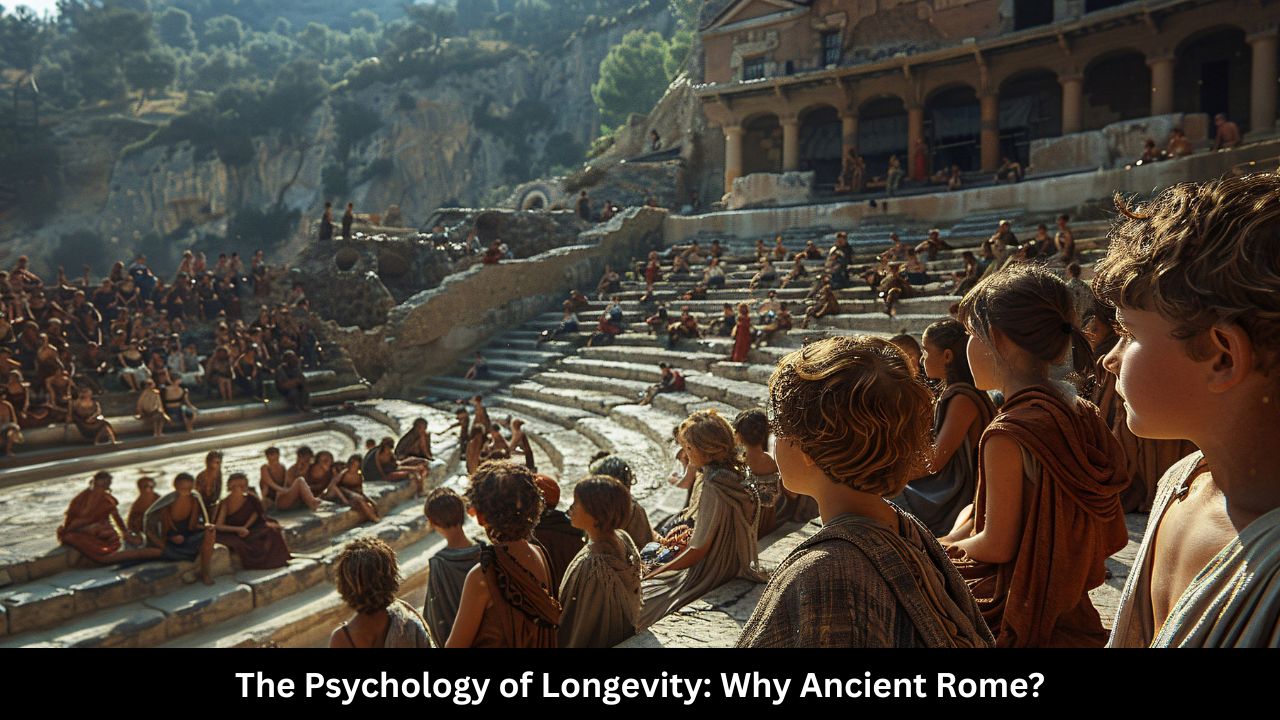
Why did the internet choose Rome instead of the Aztecs, the Mongols, or the Victorian Era? The answer lies in the specific “vibe” that Rome provides to the modern viewer.
1. Rome as a Mirror of Modern Ambition
Rome represents the pinnacle of infrastructure, law, and military might. In a world that feels increasingly digital and ephemeral, the physical permanence of Roman stone is deeply attractive. For many users, thinking about Rome is a way to engage with the idea of building something that lasts.
2. The “Personal Roman Empire” Concept
By 2026, the term “Roman Empire” has become a semantic keyword for “intense interest.” People use it to describe their own fixations, such as:
- The “Great Gatsby” soundtrack.
- The 2024 Olympic opening ceremony.
- Obscure true crime cases.
This linguistic shift ensures the trend stays relevant because it allows for infinite personalization.
3. Gender Dynamics and Social Identity
Research indicates that TikTok’s algorithm privileges emotional appeal and replicability (Frontiers in Computer Science, 2026). The Roman Empire trend hit a “sweet spot” by creating a lighthearted way to discuss how men and women perceive history differently. While initial surveys by YouGov found men thought about it more frequently, 2026 data shows that women have reclaimed the trend by highlighting “Female Roman Empires” like the history of the Salem Witch Trials or the life of Marie Antoinette.
The Role of Museums and Academic Response
The trend became so large that it forced traditional institutions to change how they talk to the public. Major exhibitions, such as the British Museum’s Legion: Life in the Roman Army, directly used the TikTok meme to attract younger audiences (British Museum, 2024).
Institutional Impact Table
|
Institution |
Strategy |
Result |
|
British Museum |
Leveraged “Looking confused” meme |
Record Gen Z attendance in 2024 |
|
Verulamium Museum |
Focused on “Women Doing Everything” |
Disrupted male-centric narratives |
|
Academic Publishers |
“Information in the Roman Empire” handbooks |
Increased sales of historical handbooks (2026) |
Digital Preservation and the “Nostalgia Loop”
In 2026, digital heritage is a major topic. TikTok acts as a space where “intangible heritage”—like stories, songs, and memes—is safeguarded (British Council, 2025). The Roman Empire trend is essentially a form of digital oral history.
Younger generations are using these short videos to learn about historical figures like Nero or Cleopatra. While critics argue this “TikTok-ifies” history, others see it as a democratization of knowledge. The trend persists because it makes history feel like a living conversation rather than a dusty textbook.
Is There a “Dark Side” to the Trend?
As with any viral phenomenon, there are concerns. Some researchers have noted that the Roman army is sometimes used by extremist groups to promote specific political viewpoints (Trevezant, 2024). Additionally, the “addictive” nature of the TikTok algorithm ensures that once a user engages with a “Roman Empire” video, they are fed a constant stream of similar content, creating an “echo chamber” of historical memes (MDPI, 2026).
Final Words
The TikTok Roman Empire trend won’t die in 2026 because it has transcended being a simple meme. It is now a framework for how we talk about our passions. Whether you are literally thinking about the Colosseum or figuratively thinking about a specific 90s pop song, we all have a “Roman Empire.” It is this universal human need to find meaning in the past—and to share that meaning in 15-second clips—that keeps the trend alive. Rome didn’t fall in a day, and it certainly won’t fall off our TikTok feeds anytime soon.
Frequently Asked Questions (FAQ)
Q1: Why did the Roman Empire trend start on TikTok?
It began as a way for women to poke fun at their partners’ unexpected interest in ancient history. The surprise factor of how many men think about it daily made it go viral.
Q2: What does “My Roman Empire” mean in 2026?
It is a slang term used to describe a specific topic or event that a person thinks about constantly. It doesn’t have to be about Rome anymore; it can be any personal obsession.
Q3: Is the trend still popular in 2026?
Yes. While the “asking my boyfriend” format has peaked, the term has become a permanent part of internet slang and cultural analysis.
Q4: How has the trend affected museums?
Museums have seen an increase in younger visitors and have started using meme-based marketing to promote historical exhibitions.