
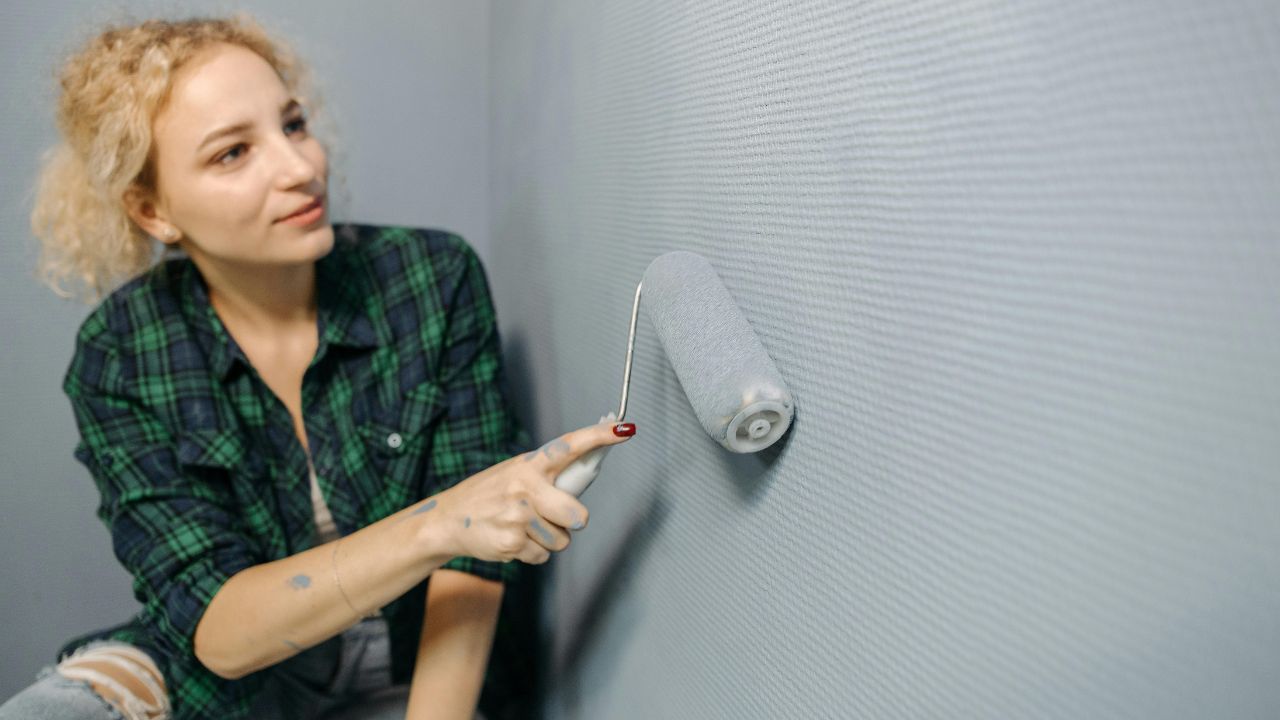
Painting a room is one of the easiest ways to refresh your home. It can make a dark space feel bright. It can make an old room look brand new. However, many DIY paint jobs do not look perfect. You might see messy edges, visible brush strokes, or uneven colors.
To get a flawless finish, you must learn how to paint a room like a professional. Professional painters do not just open a can and start rolling. They follow a strict system. They spend most of their time preparing the space.
This detailed guide will teach you the exact steps experts use. We will cover the best tools, wall preparation, and perfect application techniques.
1. Plan and Choose Your Paint Colors
Every great project starts with a good plan. You need to pick the right color and finish for your walls.
Understanding Paint Finishes
Paint comes in different shininess levels, called sheens or finishes. The right sheen depends on the room. High-traffic areas need durable paint. Quiet rooms can use softer finishes.
-
Flat/Matte: This finish has no shine. It hides flaws on the wall very well. It is great for ceilings and low-traffic rooms.
-
Eggshell: This finish has a very soft shine, like an eggshell. It is easy to clean and works perfectly for living rooms and bedrooms.
-
Satin: This finish is highly durable with a smooth sheen. It is excellent for kitchens, bathrooms, and hallways.
-
Semi-Gloss: This finish is shiny and very easy to wash. It is best for baseboards, trim, and doors.
| Paint Sheen | Best Room Type | Washability Level | Hide Flaws Rating |
| Flat / Matte | Ceilings, Adult Bedrooms | Low | Excellent |
| Eggshell | Living Rooms, Bedrooms | Medium | Good |
| Satin | Kitchens, Bathrooms | High | Fair |
| Semi-Gloss | Trim, Doors, Cabinets | Very High | Poor |
Testing Your Colors
Do not buy large paint cans based on a small paper sample. Buy small sample pots instead. Paint a large square on your wall. Look at the color in the morning, afternoon, and at night. Modern LED light bulbs can change how a color looks.
2. Gather Your Professional Tools and Materials
Professionals use high-quality tools. Cheap tools drop hairs on the wall and leave ugly tracks. Investing in good gear will save you time and frustration.
The Essential Checklist
Here is the exact equipment you need to paint a room efficiently:
-
High-Quality Brushes: Buy a 2.5-inch angled sash brush. Synthetic nylon-polyester brushes work best for water-based paints.
-
Paint Rollers: A 9-inch roller frame is the standard choice. Use a woven roller cover with a 3/8-inch nap for smooth walls.
-
Extension Pole: An adjustable pole screws into your roller handle. This saves your back and lets you reach high spots easily.
-
Painter’s Tape: Use high-quality multi-surface painter’s tape to protect your trim.
-
Drop Cloths: Canvas drop cloths are the industry standard. They absorb spills and do not slip under your feet like cheap plastic.
-
Paint Tray and Liners: A sturdy plastic tray holds your paint. Disposable liners make cleanup fast.
| Tool Name | Ideal Specification | Why Professionals Use It |
| Angled Sash Brush | 2.5-inch nylon-polyester | Creates sharp lines on trim and corners |
| Roller Cover | 3/8-inch nap woven | Holds more paint without splashing |
| Drop Cloth | Heavyweight Canvas | Stays in place and blocks paint leaks |
| Painter’s Tape | Medium-adhesion blue tape | Prevents bleeding without removing wall paint |
3. Prepare the Room and the Walls
Preparation is the most critical stage. If you skip this part, your paint will peel, crack, or look bumpy. Professionals spend up to 70 percent of their time on preparation.
Clear the Space
Remove all furniture from the room. If a piece is too heavy, move it to the exact center of the room. Wrap it tightly in plastic sheeting. Take down all pictures, curtains, and mirrors. Remove the switch plates and outlet covers using a screwdriver. Place the screws inside a small plastic bag so you do not lose them.
Fix the Damaged Areas
Examine your walls under good light. Look for nail holes, dents, or cracks.
-
Apply Spackle: Use a putty knife to fill holes with lightweight spackling compound. Press it firmly into the hole.
-
Scrape Excess: Hold the putty knife at a 45-degree angle and scrape away the extra putty.
-
Let it Dry: Wait for the spackle to dry completely. It usually turns white when dry.
-
Sand Smooth: Use a fine 220-grit sanding sponge to sand the patch flat. Run your hand over it. It should feel completely level with the wall.
Wash the Walls
Paint does not stick well to dust, oil, or grease. Mix warm water with a few drops of mild dish soap. Use a large sponge to wipe down the walls, especially around light switches and door frames. Wipe the walls again with clean water. Let the room dry completely before moving to the next step.
| Prep Task | Time Needed | Materials Required | Impact on Finish |
| Moving Furniture | 30-45 Mins | Plastic wrap, tape | Protects items from paint splatter |
| Spackling Holes | 20-30 Mins | Putty knife, spackle | Creates a perfectly flat wall surface |
| Sanding Walls | 15-20 Mins | 220-grit sanding sponge | Helps new paint bond securely |
| Wiping Dust | 15 Mins | Sponge, soapy water | Prevents paint peeling and bubbles |
4. Master the Art of Taping
Professional painters can paint a straight line without tape. However, using tape is the safest method for DIY painters to achieve perfect edges.
How to Apply Tape Correctly
Do not pull long pieces of tape at once. Pull out about 12 inches of tape at a time. Press it down firmly along the edge of your baseboards and trim.
Seal the Edges
Once the tape is on the wall, use a clean putty knife or your finger to press down the edge. This action activates the adhesive. It creates a tight barrier so paint cannot bleed underneath.
5. Use Primer First
Many people try to save money by skipping primer. This is often a mistake. Primer acts as a glue for your paint. It creates a uniform surface so your topcoat looks even.
When Do You Need a Primer?
You must use a primer if:
-
You are painting over raw drywall or new wood.
-
You repaired many holes with spackle.
-
You are changing the wall color from very dark to very light.
-
The old paint is glossy or oil-based.
If your walls are already in great shape and you are using a similar color, you can use a modern self-priming paint.
| Wall Condition | Primer Type Needed | Number of Coats |
| New Bare Drywall | PVA Drywall Primer | 1 Coat |
| Stained or Water-Damaged | Oil-Based or Stain-Blocking | 1-2 Coats |
| Dark Paint to Light Paint | White Latex Primer | 1 Coat |
| Glossy Surfaces | High-Adhesion Bonding Primer | 1 Coat |
6. Cut In the Room Correctly
“Cutting in” means painting the areas where a roller cannot reach. This includes corners, ceilings, and edges along the trim.
The Cutting In Method
Always cut in before you roll the main sections of the wall.
-
Dip Your Brush: Dip your angled brush about 1 inch into the paint. Tap the brush against the inside of the can to remove excess paint. Do not wipe it on the rim.
-
Hold Like a Pencil: Hold the brush near the bristles like a pencil. This gives you maximum control.
-
Paint the Line: Place the brush a fraction of an inch away from the line. Move the brush slowly along the edge. The bristles will fan out and fill the gap perfectly.
-
Feather the Edges: Brush out the thick edge of the paint toward the open wall. This prevents a thick ridge from drying on your wall.
Work on one wall at a time. You want to roll the wall while the cut-in areas are still wet. This is called maintaining a “wet edge.” It prevents an ugly framing effect called “picture framing.”
7. Roll the Walls Like a Professional
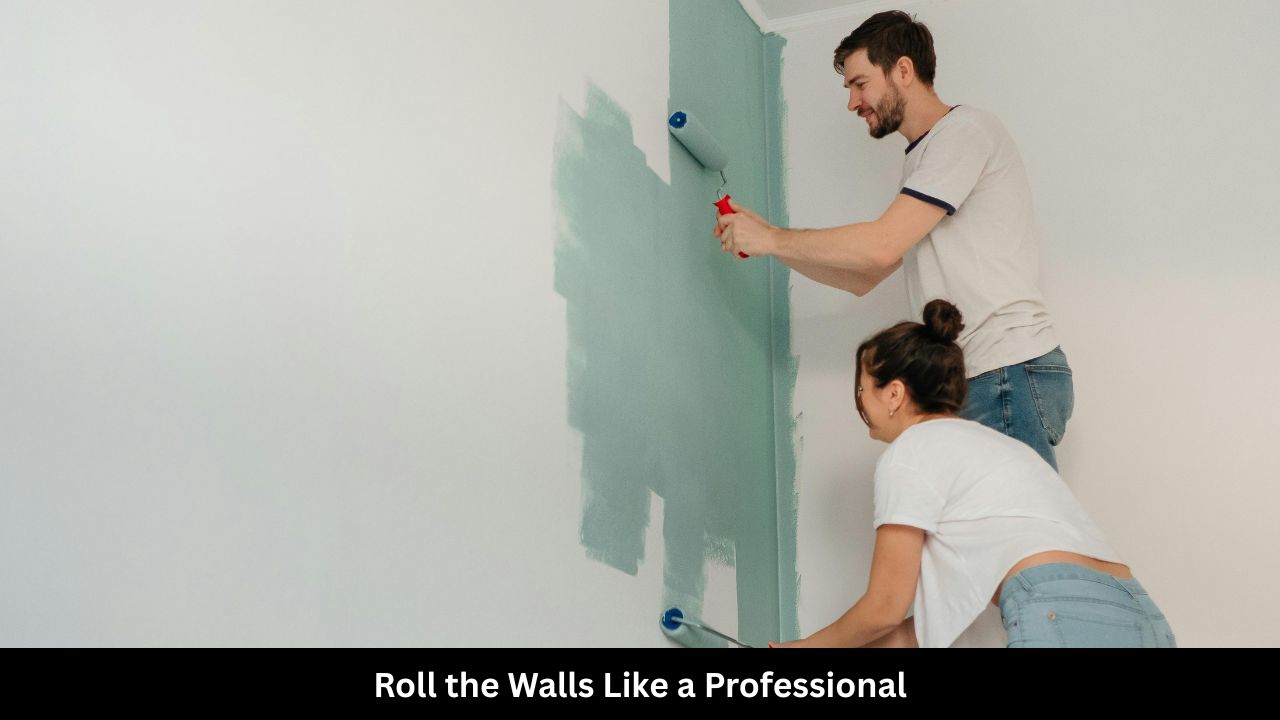
Rolling paint looks easy, but there is a specific technique to avoid streaks and tracks.
The “W” or “N” Technique
Do not roll in straight vertical lines from left to right. That method leaves uneven lines of paint. Instead, use the professional method:
-
Load the Roller: Dip your roller into the tray. Roll it back and forth on the ridges to distribute the paint evenly. The roller should be full but not dripping.
-
Lay Down a Pattern: Paint a large 3-foot by 3-foot “W” or “N” shape on the wall.
-
Fill it In: Without lifting the roller, fill in the empty spaces of the pattern using crosswise strokes.
-
Light Polish: Finish the section with soft vertical strokes from top to bottom. This flattens out any texture differences.
Always move from the top of the wall toward the bottom. Work in manageable sections. Never let your roller dry out completely. Keep it wet to maintain a smooth application.
| Rolling Step | Direction | Pressure | Goal |
| 1. Initial Load | Large “W” or “N” | Light to Medium | Distributes paint on the wall section |
| 2. Filling In | Horizontal / Diagonals | Medium | Spreads the paint evenly into gaps |
| 3. Final Pass | Vertical Top-to-Bottom | Very Light | Removes lap marks and bubbles |
8. Apply the Second Coat
One coat of paint is almost never enough. A second coat adds depth to the color and ensures complete coverage.
Waiting Times
Let the first coat dry completely. Look at the instructions on your paint can. Most water-based latex paints require 2 to 4 hours of drying time before a second coat can be applied. If the room is cold or humid, you must wait longer.
Applying the second coat too early will pull the first coat right off the wall. This causes ugly clumps and ruined textures. The second coat goes on much faster than the first coat because the surface is already sealed.
9. Remove Tape and Clean Up Properly
The way you finish the project determines how professional it looks. Cleaning up correctly saves your tools for the next room.
When to Pull the Tape
Do not wait for the paint to dry completely to remove the tape. If the paint dries, it can form a solid bond with the tape. When you pull the tape, the dry paint might tear off the wall.
Remove the tape when the paint is dry to the touch, but not completely cured. This is usually about 1 hour after your final coat. Pull the tape back slowly at a 45-degree angle. If the paint starts to tear, use a sharp utility knife to gently slice along the edge before pulling.
Cleaning Your Brushes
If you used water-based latex paint, clean your brushes with warm water and dish soap. Massage the bristles until the water runs completely clear. Use a metal brush comb to remove dried paint from the center of the brush. Shape the bristles and let the brush dry flat. Wrap the dry brushes in their original cardboard covers to keep the shape perfect.
Frequently Asked Questions (FAQ)
H3: Do I really need to sand my walls before painting?
Yes. Gentle sanding removes small bumps, dust nibs, and rough patches. It creates micro-scratches that help the new paint grip the surface. If you skip sanding, your new paint might peel off later.
H3: How long does it take for a painted room to dry completely?
While latex paint dries to the touch in a few hours, it takes about 2 to 4 weeks to fully cure. “Curing” means the paint reaches its maximum hardness. Be very gentle with your walls and avoid scrubbing them during this time.
H3: Can I use plastic wrap instead of drop cloths?
Plastic wrap can protect furniture, but it is dangerous on floors. Plastic gets very slippery when wet paint drops onto it. It can also stick to your shoes, tracing wet paint across your clean floors. Heavy canvas drop cloths are much safer and more reliable.
H3: What is the best way to paint around windows and doors?
Use a high-quality 2.5-inch angled sash brush to cut in around the trim of windows and doors. Apply painter’s tape along the wooden edges to keep the lines clean. Remove the tape before the paint cures to avoid peeling.
Final Words
Painting a room like a professional requires patience and the right methods. By investing your time into wall prep, using high-quality tools, and maintaining a wet edge, you will achieve an incredible finish. Do not rush the process. Let each coat dry completely and enjoy the transformation of your space. With these steps, your home will look beautiful, clean, and expertly styled.