
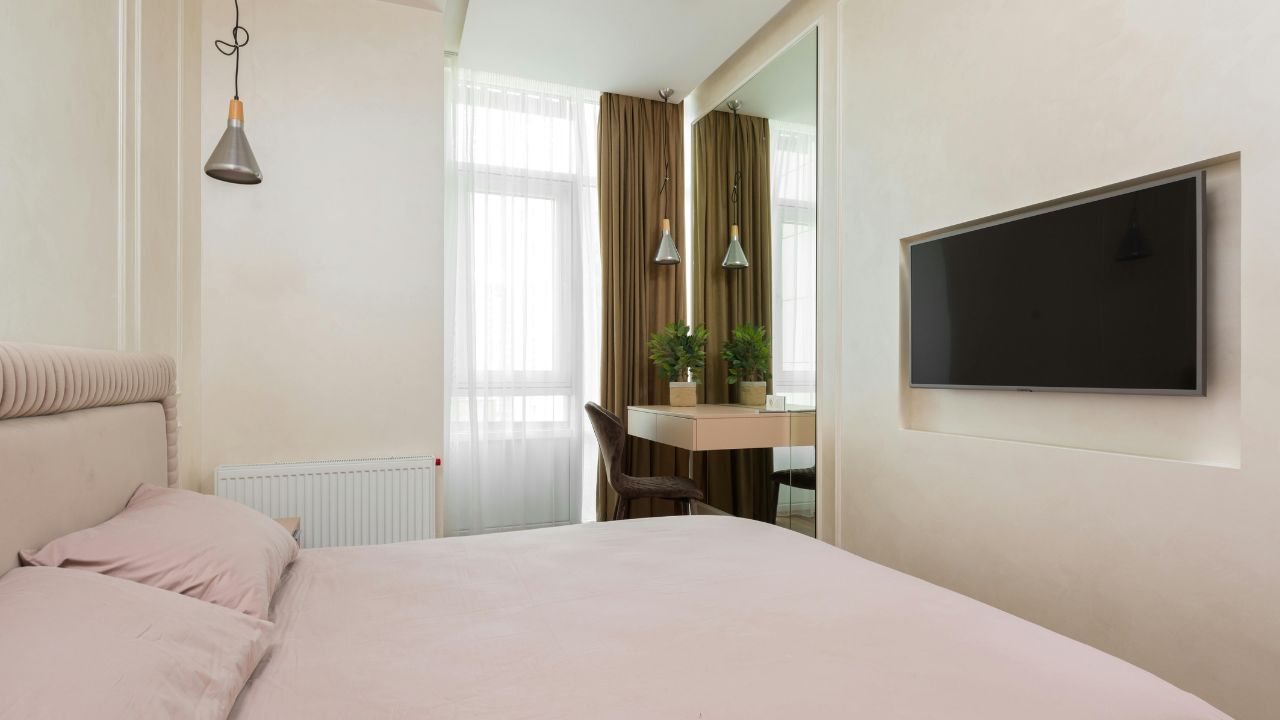
Do you feel trapped when you step into your bedroom? You are not alone. Many homeowners and renters struggle with small bedroom spaces. A cramped room can affect your sleep, your mood, and your daily productivity.
The good news is that you do not need to tear down walls to get more breathing room. Instead, you can use smart interior design strategies to trick your eyes. With the right colors, furniture placement, and lighting choices, you can change how you perceive the space.
This detailed guide shares 12 proven, practical tricks to turn your tight bedroom into a restful, spacious oasis. Let us dive into the best ways to maximize your floor space and create a beautiful room.
1. Use Light and Neutral Colors
Colors have a major impact on how large a room feels. Dark colors absorb light, which makes walls feel closer to you. On the other hand, light shades reflect both natural and artificial light. This reflection makes any small room feel open, bright, and airy.
When you paint your walls, pick soft shades. Excellent choices include crisp white, cream, light gray, soft beige, and pastel blue. To get the best results, paint your baseboards, doors, and trim in the same light color as the walls. This step removes visual boundaries. Your eyes will move smoothly across the room without stopping at color changes, which creates the illusion of an expansive space.
Color Strategy Summary
|
Paint Choice |
Visual Effect |
Best For |
|
Crisp White / Cream |
Reflects maximum light |
Dark rooms with small windows |
|
Soft Gray / Beige |
Adds warmth and depth |
Modern, cozy bedrooms |
|
Pastel Blue / Green |
Creates a calm atmosphere |
Relaxing, peaceful spaces |
|
Monochromatic Trim |
Removes visual boundaries |
Making walls look seamless |
2. Embrace the Power of Large Mirrors
Mirrors are the oldest trick in the interior design book for a good reason. They create the illusion of depth by reflecting the room back at you. A large mirror can instantly make your bedroom look twice its actual size.
The placement of your mirror matters a lot. Try to hang a large mirror directly opposite a window. This setup catches natural light and bounces it deep into the dark corners of the room. You can use a full-length floor mirror leaning against a wall, or install sliding mirrored doors on your wardrobe to save precious floor space.
Mirror Placement Guide
|
Mirror Type |
Ideal Placement |
Key Benefit |
|
Full-Length Leaner |
Empty corner or next to closet |
Adds vertical depth and height |
|
Wall-Mounted Mirror |
Opposite the main window |
Bounces natural light around |
|
Mirrored Closet Doors |
Along one entire wall |
Saves floor space while doubling the room size |
3. Choose Low-Profile Furniture
Large, bulky furniture items will quickly crowd a tiny bedroom. A massive bed frame with a tall footboard cuts off lines of sight, making the room feel like a storage unit.
To prevent this issue, pick low-profile furniture. Look for a platform bed that sits close to the floor. When your bed sits lower, it leaves more open wall space above it. This extra vertical space makes your ceiling feel higher than it actually is. Keep your nightstands and dressers low and sleek as well.
Furniture Profile Comparison
|
Furniture Piece |
What to Avoid |
What to Choose Instead |
|
Bed Frame |
Heavy poster beds, high footboards |
Low platform beds, simple headboards |
|
Dressers |
Deep, wide, dark wood dressers |
Tall, slim chests or low, sleek drawers |
|
Nightstands |
Bulky cabinets that touch the floor |
Floating shelves or slim, leggy tables |
4. Utilize Vertical Space and Floating Shelves
When you lack floor space, look up at your walls. Your vertical space is a goldmine for storage and decoration. Taking items off the floor keeps your walkways clear, which instantly opens up the floor plan.
Replace bulky bedside tables with . Mount them directly to the wall next to your bed. You can also install bookshelves that extend all the way from the floor to the ceiling. This design forces the eyes to look upward, highlighting the height of your room rather than its narrow floor width.
Vertical Storage Solutions
|
Storage Idea |
Items to Store |
Space-Saving Benefit |
|
Floating Nightstands |
Books, phone, water glass |
Frees up valuable floor area |
|
Floor-to-Ceiling Shelves |
Decorative items, baskets, books |
Draws the eye upward to emphasize height |
|
Wall Hooks |
Bags, coats, hats |
Replaces bulky coat racks |
5. Select Furniture with Exposed Legs
The more floor surface you can see, the bigger the room will feel. Furniture that sits flat on the floor acts like a solid block, stopping your sight and trapping light.
Choose a bed, sofa, or nightstand with raised, slender legs. When light and air can pass underneath your furniture, the items look like they are floating. This simple change keeps the visual landscape light and breezy.
Legged Furniture Advantages
|
Furniture Style |
Visual Weight |
Impact on Small Rooms |
|
Solid Base (No Legs) |
Very heavy |
Blocks light and cramps the floor area |
|
Slender Tapered Legs |
Light and airy |
Shows more floor, expanding the room |
|
Metal Frame Base |
Minimalist |
Maximizes light flow underneath |
6. Maximize Hidden Storage Under the Bed
Clutter is the worst enemy of a small bedroom. Too many items sitting around makes a room feel chaotic and tiny. To keep your bedroom tidy, you must find hidden storage spaces.
The area underneath your bed is perfect for storage. Instead of stuffing items under the bed carelessly, use long, rolling storage bins with lids. This space is perfect for storing out-of-season clothing, extra blankets, or shoes. If you are buying a new bed, look for a storage bed frame with built-in drawers.
Under-Bed Storage Options
|
Container Type |
Best Used For |
Accessibility |
|
Plastic Rolling Bins |
Shoes, seasonal clothing |
Easy to slide out and clean |
|
Built-in Drawers |
Daily clothes, extra bed sheets |
Very convenient and seamless |
|
Vacuum-Sealed Bags |
Heavy winter blankets, pillows |
Maximum space savings for rare items |
7. Hang Curtains High and Wide
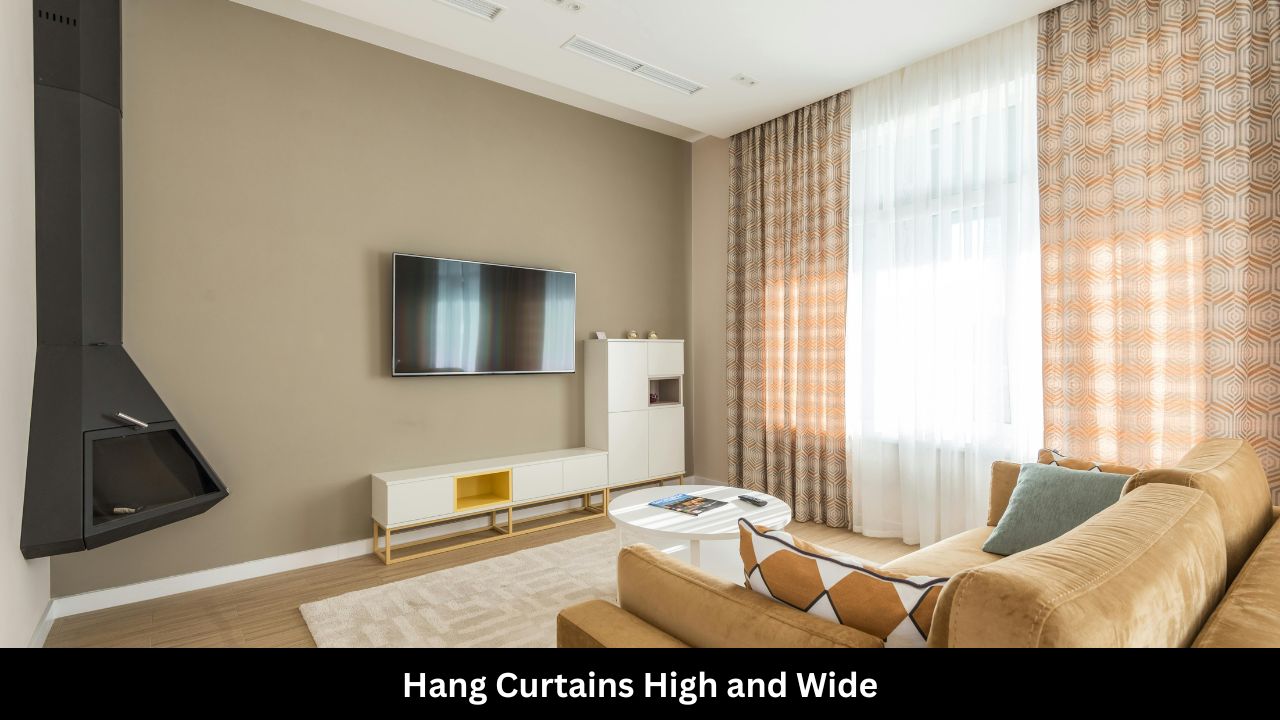
Curtains do more than just block sunlight. They can change how you see the scale of your windows and walls. Most people hang curtains right above the window frame, which cuts the wall in half visually.
To make your bedroom look bigger, hang your curtain rod close to the ceiling line. Let the curtains drape all the way down to the floor. Additionally, extend the curtain rod a few inches wider than the window frame on both sides. When you open the curtains, the fabric will rest on the wall, exposing the entire window. This trick makes your windows look huge and lets in maximum sunlight.
Curtain Placement Strategy
|
Feature |
Standard Setup |
Small Room Trick |
|
Rod Height |
Right above the window frame |
Near the ceiling line |
|
Rod Width |
Matches the window width |
6–10 inches wider than the window |
|
Fabric Length |
Ends at the windowsill |
Touches or kisses the floor |
8. Keep Your Bedding Simple and Light
A large, colorful duvet with busy patterns can overwhelm a small room. Because the bed is the biggest item in the space, its appearance sets the tone for the entire bedroom.
Stick to light-colored, simple bedding. Solid white, light creams, or soft neutral tones work best. If you enjoy patterns, select very subtle, small prints. Layering your bed with different textures, like a knit blanket or a linen duvet cover, adds warmth and luxury without making the room look cluttered.
Bedding Selection Chart
|
Bedding Element |
Avoid |
Choose |
|
Duvet Cover |
Large floral or dark geometric prints |
Solid white, cream, or soft pastels |
|
Pillows |
Too many decorative accent pillows |
2–4 functional, neatly arranged pillows |
|
Throw Blankets |
Bright neon colors |
Soft, textured neutral tones |
9. Clear the Visual Clutter
A clean room is a large room. Every small object left on top of your dresser or nightstand draws attention, making the room feel busy.
Adopt a minimalist mindset for your small bedroom. Keep only the essentials on display. Use decorative small baskets or ceramic trays to hold loose items like keys, jewelry, and coins. Try to follow the “one-in, one-out” rule: if you buy something new for your bedroom, remove an old item to keep the balance.
Clutter Control Checklist
|
Area |
Problem Items |
Quick Solution |
|
Dresser Top |
Cosmetics, papers, loose change |
Place in drawers or small decorative boxes |
|
Nightstand |
Multiple books, cords, cups |
Keep only one book and use cord organizers |
|
Floor |
Dirty laundry, shoes |
Use a slim, tall laundry hamper with a lid |
10. Use Multi-Functional Furniture Pieces
When space is limited, every piece of furniture must earn its place. Multi-functional furniture reduces the total number of items you need in your bedroom, leaving more open floor space.
Consider a nightstand that also acts as a small writing desk if you work from home. Use an ottoman with storage inside at the foot of your bed to serve as a seat and a blanket chest. Investing in smart furniture keeps your room highly functional without packing it with wood and metal.
Multi-Functional Furniture Ideas
|
Item |
Primary Function |
Secondary Function |
|
Storage Ottoman |
Comfortable seating |
Hidden blanket or shoe storage |
|
Extended Nightstand |
Bedside table |
Small laptop desk for remote work |
|
Murphy Bed |
Comfortable sleeping spot |
Folds into the wall to clear the floor during the day |
11. Implement Layered Lighting
A single, dim ceiling light creates dark shadows in the corners of your room. These shadows draw the walls inward, making your bedroom feel like a cave.
To prevent this, layer your lighting. Use a combination of ambient light (ceiling fixtures), task light (reading lamps), and accent light (LED strips or wall sconces). Wall-mounted sconces are exceptional for small bedrooms because they replace bulky table lamps, freeing up your nightstands. Aim light into dark corners to make the entire room footprint visible.
Lighting Setup for Small Rooms
|
Light Type |
Fixture Idea |
Placement |
Purpose |
|
Ambient |
Flush-mount LED fixture |
Center of the ceiling |
Illuminates the entire room evenly |
|
Task |
Wall-mounted sconces |
Above or beside the bed |
Offers reading light without using table space |
|
Accent |
LED strip lights |
Behind the headboard or under shelves |
Adds depth and a soft, modern glow |
12. Create a Clear Focal Point
When you walk into your bedroom, your eyes should land on one beautiful, intentional spot. If there are too many competing elements, the room feels disorganized and cramped.
Establish one clear focal point, such as the head of your bed. Accentuate it with a beautiful piece of art or a stylish headboard. Keep the remaining walls simple and clean. This arrangement guides the eye smoothly through the room, creating an organized, balanced feeling that makes the layout feel spacious.
Focal Point Design Strategy
|
Effective Focal Points |
What to Keep Minimal |
|
A beautifully dressed bed with an elegant headboard |
Surrounding side walls (leave them bare or use light paint) |
|
A single piece of large, inspiring artwork above the bed |
Wardrobe doors and dresser surfaces |
|
An accent wall painted one soft shade darker than the others |
Window treatments (keep curtains simple) |
Final Words
Making a small bedroom look bigger does not require a massive budget or structural changes. It is all about strategic styling and making smart choices. By lightening your color palette, clearing away clutter, using vertical storage, and maximizing natural light with mirrors, you can completely transform your room.
Take it one step at a time. Start by clearing out clutter and moving your curtains higher. Small changes build up quickly, and soon you will enjoy a bright, open, and relaxing bedroom space.
Frequently Asked Questions (FAQ)
What colors make a small bedroom look bigger?
Light and neutral colors make small rooms look larger. Pure white, warm cream, soft beige, light gray, and pastel tones reflect light efficiently, which pushes the walls visually outward.
Where should I place a mirror in a small bedroom?
The best spot for a mirror is directly across from a window. This positioning allows the mirror to catch natural light and reflect it throughout the room, eliminating dark corners.
Is a dark floor okay in a small bedroom?
Yes, a dark floor can work well if your walls and ceiling are kept very light. A dark floor provides a grounding element, while light walls maintain an airy feel.
How can I add storage without taking up floor space?
Focus on vertical storage. Use floating wall shelves, install hooks behind your doors, and pick tall wardrobes that extend up to the ceiling instead of wide dressers.
Should I avoid large beds in a small room?
You do not necessarily have to sleep on a tiny bed. However, avoid bulky bed frames with heavy headboards and footboards. A low-profile platform bed keeps lines of sight open.