We have all been there. You flush the toilet, and instead of everything disappearing, the water starts rising. Your heart sinks. You look around the bathroom, but there is no plunger in sight. Whether you are at a friend’s house or just moved into a new apartment, a clogged toilet is a stressful emergency.
The good news is that you do not always need a plunger to save the day. Most clogs are made of organic waste or paper that can be broken down with simple household items. In this guide, we will walk you through five proven, human-friendly methods to get your bathroom back in order without calling a plumber.
1. The Dynamic Duo: Dish Soap and Hot Water
This is often the most effective method. It works like magic on grease-based or organic clogs. Think of it like washing a very dirty pan; the soap breaks down the surface tension and lubricates the pipes, allowing the clog to slide through.
How to do it:
- Add Soap: Pour about half a cup of liquid dish soap into the toilet bowl. Let it sit for 10 to 15 minutes.
- Heat Water: While the soap sits, heat a gallon of water on the stove. Warning: Do not use boiling water, as it can crack the porcelain of your toilet. Aim for “very hot” tap water temperature.
- The Pour: Pour the hot water quickly into the bowl. The weight of the water combined with the soap usually pushes the clog down.
Quick Reference: Dish Soap Method
|
Step |
Action |
Why it works |
|
Step 1 |
1/2 cup Dish Soap |
Lubricates the trap and pipes |
|
Step 2 |
Wait 15 Minutes |
Allows soap to penetrate the clog |
|
Step 3 |
Hot Water Pour |
Adds pressure and heat to break waste |
2. The Science Fair Trick: Baking Soda and Vinegar
If the soap doesn’t work, it is time for a little chemistry. This method uses the fizzy reaction between an acid (vinegar) and a base (baking soda) to create pressure within the pipes.
How to do it:
- Prep the Bowl: Ensure the water level isn’t too high, or the fizzing will overflow.
- Add Baking Soda: Pour one cup of baking soda into the bowl.
- Add Vinegar: Slowly pour one cup of white distilled vinegar. You will see bubbles immediately.
- Wait: Let the mixture work for at least 30 minutes. If the water level drops, you know it is working.
Quick Reference: Baking Soda & Vinegar
|
Ingredient |
Amount |
Function |
|
Baking Soda |
1 Cup |
Acts as a mild abrasive and base |
|
White Vinegar |
1 Cup |
Creates a chemical reaction (fizz) |
|
Wait Time |
30-60 Mins |
Loosens stubborn debris |
3. The Wire Hanger Maneuver
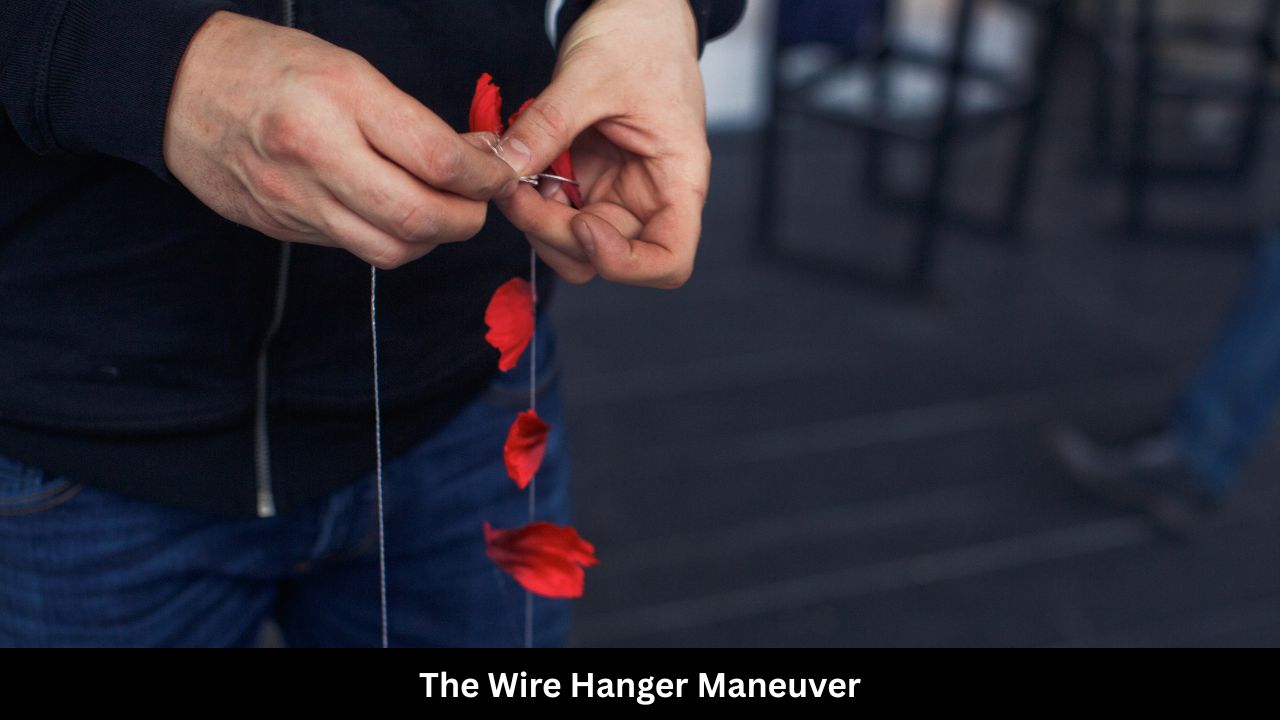
If you suspect there is a physical object stuck (like a toy or a large mass of paper), a chemical approach might not be enough. You can create a makeshift “plumber’s snake” using a standard wire coat hanger.
How to do it:
- Unravel: Use pliers to unwind the hanger until it is a long wire.
- Protect the Porcelain: Wrap a small rag around the end you will insert and secure it with duct tape. This prevents the wire from scratching your toilet.
- Probe: Insert the wire into the drain and gently push and twist. Your goal is to break up the mass or push it through the S-trap.
Quick Reference: Wire Hanger Method
|
Tool |
Preparation |
Best For |
|
Wire Hanger |
Straighten and wrap end |
Physical obstructions |
|
Rags/Tape |
Cover the tip |
Preventing scratches |
|
Motion |
Gentle prodding |
Breaking up paper clogs |
4. The Bath Bomb or Epsom Salt Method
This is a gentler version of the baking soda trick. Many bath bombs contain citric acid and sodium bicarbonate. When they hit the water, they create a fizzy pressure that can help dislodge minor clogs.
How to do it:
- Drop it in: Simply drop a bath bomb (or a handful of Epsom salts) into the water.
- Wait: Allow the fizzing to subside.
- Flush: Try a test flush once the water level begins to move.
Quick Reference: Fizzy Salts
|
Item |
Benefit |
Effectiveness |
|
Bath Bomb |
High Fizz |
Moderate |
|
Epsom Salt |
High pressure |
Light clogs |
|
Flush Test |
Final check |
Only if level drops |
5. The “Manual Pressure” Toilet Brush Method
If you don’t have a plunger, your toilet brush can act as a substitute. While it doesn’t create a perfect seal, it can provide enough movement to break a surface-level clog.
How to do it:
- Position: Wrap the head of the brush in a plastic bag (optional, for cleanliness).
- Pumping: Thrust the brush in and out of the drain hole rapidly several times.
- The Goal: You are trying to create a vacuum effect similar to a plunger.
Quick Reference: Brush Method
|
Tool |
Technique |
Clean Up |
|
Toilet Brush |
Rapid vertical thrusts |
Use plastic bag cover |
|
Water Level |
Must be mid-bowl |
Prevents splashing |
Understanding Why Toilets Clog
To prevent this from happening again, it helps to know the “why.” Most toilets in Bangladesh and abroad clog because of three main reasons:
- Too Much Paper: Modern “ultra-plush” toilet paper doesn’t dissolve as fast as standard rolls.
- Non-Flushables: Wet wipes, feminine products, and “flushable” wipes often don’t break down at all.
- Hard Water: Over time, minerals build up in the pipes, narrowing the passage for waste.
What NEVER to Flush
|
Item |
Why it’s bad |
|
Wet Wipes |
They don’t dissolve and act like a net for waste |
|
Dental Floss |
Wraps around other debris and creates a “knot” |
|
Hair |
Never dissolves; catches everything else |
|
Cooking Grease |
Solidifies in cold pipes and blocks flow |
Frequently Asked Questions (FAQ)
Can I use bleach to unclog a toilet?
No. Bleach is great for disinfecting, but it does not dissolve hair or paper clogs. It can also damage your pipes if left to sit too long.
How long should I wait before flushing?
Always wait until the water level in the bowl returns to normal. If you flush while the bowl is full, you risk a messy overflow.
Will hot water crack my toilet?
Only if it is boiling. Porcelain is sensitive to extreme temperature changes. Use hot tap water, not water straight from a boiling kettle.
What if none of these methods work?
If you have tried the dish soap and the wire hanger without success, the clog might be deeper in the main sewer line. At this point, it is safest to call a professional plumber.
Final Words
Dealing with a clogged toilet is never fun, but it doesn’t have to be a disaster. By staying calm and using items you already have in your kitchen or closet, you can solve the problem in minutes. Remember to start with the gentlest method—dish soap and hot water—before moving on to more physical tools like the wire hanger.
Maintenance is also key. A little bit of baking soda and vinegar once a month can keep your pipes clear and smelling fresh. Now that you are a DIY plumbing expert, you can handle any bathroom emergency with confidence!