
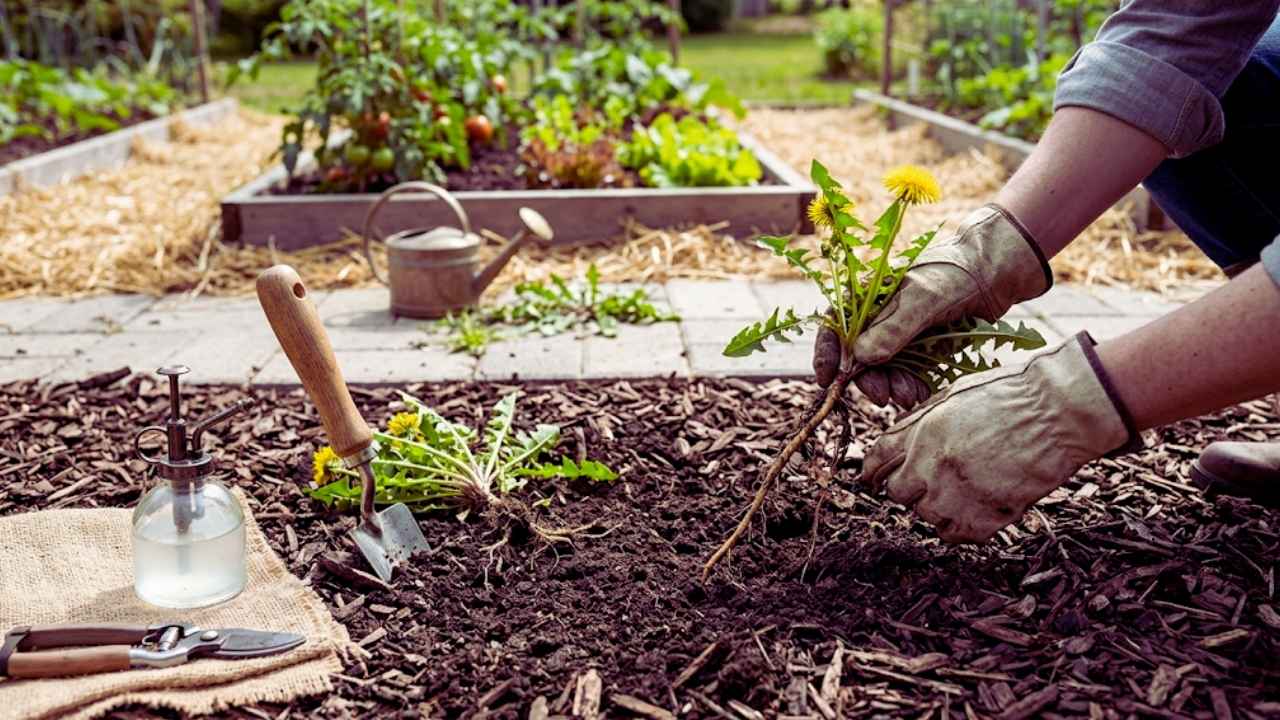
Weeds are the ultimate test of patience for anyone who loves spending time in the yard. You spend hours planning your garden layout, only to wake up and find dandelion leaves or crabgrass taking over your pristine beds. For years, folks instinctively reached for a plastic jug of synthetic spray to solve the problem.
Times are changing. People are asking how to get rid of weeds without chemicals because we now understand the hidden costs of those toxic shortcuts. Synthetic sprays might offer a temporary fix, but they destroy the biological networks beneath the surface of your yard. Healthy soil is packed with beneficial microbes and earthworms that your plants need to thrive. When you spray harsh formulas, you compromise that entire ecosystem.
Moving to a natural approach means you work alongside nature to build a resilient landscape. You keep your pets and kids safe from lingering residues while ensuring your local groundwater stays clean. In this guide, we break down exactly how you can reclaim your outdoor space using proven, organic strategies. It takes a shift in mindset, but managing your garden without toxic interventions is incredibly rewarding and totally doable.
Why Avoid Chemical Weed Killers in Your Garden?
The shift away from synthetic weed management is more than just a passing trend among organic gardeners. Researchers and agricultural experts consistently warn about the long-term damage caused by harsh herbicides. These chemical compounds alter soil chemistry, making it harder for your flowers and vegetables to access necessary nutrients.
Runoff from treated lawns eventually finds its way into local streams and municipal water supplies, creating broad environmental hazards. Beyond the ecological damage, continuous exposure to these sprays poses documented health risks to the people and animals using the yard. Relying on organic weed control methods eliminates these threats completely, giving you a safe and vibrant outdoor living space.
|
Concern |
Details |
Impact Level |
|
Soil Degradation |
Destroys beneficial soil microbes |
High |
|
Water Contamination |
Chemical runoff enters local waterways |
Severe |
|
Health Risks |
Exposure dangers for children and pets |
High |
|
Weed Resistance |
Creates superweeds immune to sprays |
Moderate |
Environmental Impact and Soil Health
Synthetic herbicides are formulated to destroy plant tissue, but they do not stop there. When you douse your garden with chemicals, you inadvertently kill off the microscopic life that forms the foundation of healthy soil. Earthworms, beneficial fungi, and soil bacteria all suffer when exposed to these synthetic compounds. Without these organisms breaking down organic matter, your soil becomes lifeless dirt. You then have to rely on synthetic fertilizers just to keep your ornamental plants alive. Natural weed management preserves the delicate balance of your garden ecosystem.
Risks to Humans and Pets
The convenience of a spray bottle is hard to justify when you look at the potential health hazards. Chemical residues linger on grass blades and soil surfaces long after the liquid dries. Your dog tracks those chemicals into the house on their paws, and kids come into direct contact with them while playing in the yard. Transitioning to safe alternatives ensures you never have to worry about toxic exposure in your own backyard. You get peace of mind knowing your outdoor sanctuary is genuinely safe for everyone to enjoy.
The Rise of Herbicide Resistance
Nature always finds a way to adapt. Just as bacteria develop resistance to overused antibiotics, invasive plants evolve to survive constant chemical bombardment. Decades of heavy herbicide use have given rise to superweeds that simply ignore standard chemical treatments. To combat them, chemical companies recommend stronger doses or toxic cocktails, which only worsens the environmental damage. By utilizing diverse physical and cultural weed control techniques, you prevent these plants from adapting to a single line of attack.
Method 1: Manual Removal for Natural Weed Control
Hand-pulling remains the most reliable way to clear out unwanted growth from your garden beds. It requires absolutely no synthetic inputs, ensuring your soil stays perfectly healthy. By physically extracting the plant and its entire root system, you guarantee that the weed cannot bounce back a few days later. This technique gives you immediate visual satisfaction and total control over which plants stay and which go. It is an excellent way to get some fresh air and exercise while actively improving your landscape.
|
Feature |
Details |
|
Best Application |
Small garden beds, deep taproots |
|
Essential Tools |
Hori-hori knife, digging trowel |
|
Time Investment |
High |
|
Environmental Risk |
None |
How Manual Removal Works?
Physical extraction is exactly what it sounds like. You use your hands or a specialized tool to loosen the dirt around the base of the invader and pull it out entirely. Weeds like dandelions or thistles rely on deep taproots to survive dry spells. If you only snap off the top foliage, the root will simply push out new leaves within a week. Getting underneath the root structure ensures the plant is gone for good. Tools like a hori-hori knife or a dandelion fork slide easily into the dirt right next to the root, giving you the leverage needed to pop the whole weed out without disturbing your prized perennials.
Best Practices for Hand-Pulling
Timing makes a massive difference when you are pulling weeds. You will have the easiest time tackling this chore the morning after a solid rainstorm. Moist dirt is loose and forgiving, allowing those stubborn roots to slide out smoothly. If the forecast is dry, grab your hose and soak the target area a few hours before you start weeding. Always grip the plant as close to the soil line as possible. Pull with a slow, steady upward motion rather than giving it a hard yank. A sudden jerk usually snaps the stem, leaving the root buried safely underground where it will quickly sprout again.
Method 2: Boiling Water to Kill Weeds Naturally
Sometimes the cheapest and easiest solutions are hiding right in your kitchen. Boiling water is an incredibly aggressive, zero-toxicity technique that destroys plant life on contact. You simply heat up a kettle and pour the scalding liquid directly onto the foliage and crown of the weed. The intense heat instantly ruptures the plant cells, causing the leaves to wilt and die within hours. It is a fantastic strategy for those annoying weeds that pop up in places where you do not want anything to grow.
|
Feature |
Details |
|
Best Application |
Sidewalk cracks, patio pavers |
|
Essential Tools |
Stovetop kettle, protective shoes |
|
Time Investment |
Low |
|
Environmental Risk |
None |
How Boiling Water Works?
When you expose plant tissue to water that exceeds 200 degrees Fahrenheit, the cellular structure breaks down immediately. The plant literally cooks in place. Because the hot liquid seeps downward into the dirt, it also scalds the upper portions of the root system. This one-two punch makes it very difficult for the plant to recover. It works exceptionally well on broadleaf annuals that have shallow root networks. Because it leaves zero chemical residue behind, you can confidently use it in areas where your pets like to lounge.
Best Practices for Application
This approach is strictly a non-selective method, meaning it will severely damage or kill any plant it touches. You should only use boiling water in isolated areas like driveway cracks, gravel paths, or between bricks on a walkway. Never use it in the middle of your lawn or near the delicate roots of your favorite shrubs. Fill a kettle with a narrow spout to give yourself precise control over where the water flows. Wear closed-toe shoes and pour slowly to avoid splashing scalding water on your ankles. For older, tougher weeds, you might need to repeat the treatment two or three times over a week to finally exhaust the root system.
Method 3: Horticultural Vinegar as an Eco-Friendly Weed Killer
Vinegar has built a massive reputation as a champion of natural weed management. It is accessible, inexpensive, and rapidly breaks down in the environment. The acetic acid inside the vinegar acts as a powerful desiccant that strips moisture from the plant leaves. Once the foliage dries out, the plant starves and collapses. While standard kitchen vinegar works for tiny seedlings, specialized horticultural vinegar packs enough punch to take down larger, more established invaders in your yard.
|
Feature |
Details |
|
Best Application |
Fence lines, young broadleaf weeds |
|
Essential Tools |
Pump sprayer, dish soap |
|
Time Investment |
Low |
|
Environmental Risk |
Very Low |
How Vinegar Treatments Works?

Standard white vinegar from the grocery store contains roughly five percent acetic acid. When you spray this on a tender young weed, the acid dissolves the waxy protective coating on the leaves, causing the plant to rapidly dehydrate in the sun. Horticultural vinegar, available at garden centers, boasts acetic acid concentrations of twenty percent or higher. This industrial-strength version acts fast, turning green leaves brown and crispy within a single afternoon. To make the spray even more effective, mix in a few drops of liquid dish soap. The soap breaks the surface tension of the liquid, helping the acidic mixture stick to the leaves instead of beading up and rolling off into the dirt.
Best Practices for Vinegar Spraying
Always apply your vinegar solution on a hot, cloudless day with zero wind. Sunlight accelerates the drying effect, making the acid work much faster. Because vinegar is a contact killer, you must thoroughly coat every single leaf on the target plant for it to work. Be very careful with high-concentration horticultural vinegar. It is strong enough to irritate your skin and damage your eyes, so wear gloves and safety glasses while spraying. Avoid soaking the soil underneath the weed, as excessive acid can temporarily lower the soil pH and upset the localized earthworm population.
Method 4: Salt Solutions for Driveways and Patios
Common table salt is a surprisingly fierce weapon against stubborn yard invaders. Like vinegar, salt attacks the cellular water balance of the plant, causing severe dehydration. It is one of the most effective ways to ensure an area stays completely free of vegetation for an extended period. Because salt aggressively alters the soil chemistry and prevents future growth, it requires careful, strategic application. When used correctly, it keeps your hardscaping looking neat and tidy all summer long.
|
Feature |
Details |
|
Best Application |
Gravel driveways, brick pathways |
|
Essential Tools |
Spray bottle, table salt |
|
Time Investment |
Low |
|
Environmental Risk |
High (if misused in garden beds) |
How Salt Solutions Work?
Salt works through a process of extreme osmosis. When applied to plant tissue, it draws water directly out of the cells until the plant shrivels up. Furthermore, as the salt washes into the dirt, it binds with moisture and prevents the roots from absorbing any future hydration. You can create a potent liquid spray by dissolving one cup of regular table salt into two cups of warm water. Adding a squirt of dish soap helps the salty brine cling to the foliage. The plant will absorb the sodium, pushing it down into the root system and ultimately killing the entire organism.
Best Practices for Salt Application
You must treat salt with extreme caution because it is highly destructive to soil health. If you pour salt into your vegetable garden, nothing will grow there for years. Therefore, restrict salt treatments exclusively to areas where you want zero plant life. Driveways, gravel parking pads, and the deep crevices of a concrete patio are perfect candidates. Use a spray bottle and aim directly at the leaves, applying just enough to wet the foliage without creating a puddle that could run off into your lawn. Monitor the area after heavy rains to ensure the salt has not migrated toward your desirable landscaping.
Method 5: Soil Solarization for Organic Weed Management
When you have a massive patch of ground that is completely overrun, pulling everything by hand feels like an impossible task. Soil solarization offers a brilliant, hands-off approach to clearing large areas of land. This technique harnesses the radiant heat of the summer sun to literally pasteurize the top layer of your soil. It bakes the existing vegetation, neutralizes dormant seeds, and kills off soil-borne plant diseases all at once. It is an ideal strategy for prepping a new garden bed from scratch.
|
Feature |
Details |
|
Best Application |
Large overrun areas, new garden beds |
|
Essential Tools |
Clear plastic tarp, heavy rocks |
|
Time Investment |
Very Low (but takes weeks to finish) |
|
Environmental Risk |
Low |
How Soil Solarization Works?
Solarization relies on a miniature greenhouse effect. You stretch a sheet of heavy-duty clear plastic tightly over a patch of bare, moistened dirt and bury the edges to trap the air inside. As the sun beats down day after day, the temperature beneath the plastic skyrockets. In the peak of summer, the top few inches of dirt can easily reach temperatures exceeding 140 degrees Fahrenheit. This intense heat cooks the roots of existing plants and destroys the viability of thousands of weed seeds waiting to germinate.
Best Practices for Solarization
To get the best results, you need to execute this method during the absolute hottest weeks of the year. Clear away any tall, woody brush that might poke a hole in your plastic tarp. Rake the area smooth and give it a deep, thorough watering. Moisture is critical because wet heat conducts energy much deeper into the earth than dry heat. Lay out a clear polyethylene tarp. Do not use black plastic, as it absorbs heat rather than letting it pass through to the dirt. Bury all four edges of the tarp securely with soil or heavy rocks to seal in the heat. Leave the setup completely undisturbed for four to six weeks. Once you remove the plastic, you will have a pristine, weed-free canvas ready for planting.
Method 6: Mulching to Protect Soil Health
The smartest way to deal with yard maintenance is to stop problems before they even start. Mulching is the ultimate preventative shield and a core requirement for any healthy garden. A robust layer of organic matter acts as a physical barricade across your garden beds, completely shutting down the germination process for invading seeds. Beyond weed suppression, mulch drastically improves your soil texture, retains vital moisture during droughts, and provides a polished, professional look to your landscaping.
|
Feature |
Details |
|
Best Application |
All garden beds, around trees |
|
Essential Tools |
Wood chips, straw, or compost |
|
Time Investment |
Medium |
|
Environmental Risk |
None (Highly Beneficial) |
How Organic Mulching Works?
Weed seeds need sunlight to trigger germination. When you cover the dirt with a thick blanket of shredded bark or straw, you plunge the soil surface into total darkness. The dormant seeds buried in the dirt simply never wake up. Additionally, any new seeds that blow in on the wind end up resting on top of the dry mulch layer. Even if they manage to sprout, their tiny roots dry out and die before they can push through the coarse material to reach the moist earth below. As organic mulch slowly breaks down over the seasons, it feeds your soil with rich nutrients, mimicking the natural decomposition cycle found on a forest floor.
Best Practices for Applying Mulch
To build an effective barrier, you need to lay down a solid two to three inches of material. Anything less will eventually let sunlight through, and anything deeper risks suffocating the roots of your desirable plants. Before you apply mulch, make sure you hand-pull any existing weeds in the bed. When spreading the material around trees or shrubs, pull the mulch back a few inches from the trunk. Piling wet wood chips directly against bark invites rot and creates a cozy hiding spot for destructive pests. Plan to top dress your beds with a fresh layer of mulch every spring to maintain the barrier as the older material decomposes.
Method 7: Flame Weeding for Quick Results
For those who want immediate, visible destruction without bending over, flame weeding is an incredibly effective tool. This technique utilizes a specialized propane wand to pass a concentrated burst of heat over unwanted vegetation. It is highly efficient for clearing long fence lines, large gravel driveways, or intricate brick patios where manual removal is tedious. Flame weeding leaves zero chemicals behind, making it a very clean operation when handled with the proper safety precautions.
|
Feature |
Details |
|
Best Application |
Chain-link fences, brick walkways |
|
Essential Tools |
Propane flame wand, fire extinguisher |
|
Time Investment |
Low |
|
Environmental Risk |
None |
How Flame Weeding Works?
The goal of flame weeding is not to set the plant on fire and burn it to ash. You simply want to expose the leaves to a massive thermal shock. When you sweep the intense heat of the propane flame across the foliage for a fraction of a second, the internal water inside the plant instantly boils. This rapid expansion bursts the cell walls. The weed will look perfectly intact right after you pass the torch, but within a couple of hours, it will turn dark green, wilt completely, and die. It is highly effective on young broadleaf annuals that lack the energy reserves to grow new leaves.
Best Practices for Flame Weeding
Safety is the absolute priority when operating a flame weeder. You should never use this tool during a dry spell, in high winds, or near combustible materials like dried brush or wood mulch. Always keep a garden hose or a working fire extinguisher within arm’s reach just in case a stray spark ignites something unintended. Hold the wand a few inches above the target and walk at a slow, steady pace. Remember, you just need to wilt the leaves, not incinerate them. Try to tackle weeds when they are small and tender, as mature plants with deep taproots will likely survive the initial heat blast and require follow-up treatments.
Final Thoughts
Taking control of your yard does not mean you have to wage a toxic war on nature. Once you understand how to get rid of weeds without chemicals, you realize that organic methods are not only safer but often more rewarding. Whether you are laying down a fresh layer of mulch to block out seeds, pouring a kettle of boiling water on a driveway crack, or simply pulling a stubborn dandelion by hand, you are actively protecting your local ecosystem.
“The best defense is a good offense.” An old gardening truth. By keeping your soil healthy and covered, you stop most problems before they start. Ditching the synthetic sprays ensures your garden remains a safe, vibrant sanctuary for your family, your pets, and the beneficial insects that make your landscape beautiful.
Frequently Asked Questions About Get Rid Weeds no Chemicals
Does vinegar completely kill weeds down to the root?
Standard household vinegar is a contact herbicide. It destroys the leafy top growth but rarely has the power to penetrate deeply enough to kill the root system of a mature perennial. While it will permanently take down small annuals, tougher plants like dandelions will likely regrow. For deep-rooted weeds, you either need multiple applications of horticultural vinegar or to pull the root by hand.
Is hand-pulling really better than spraying natural liquids?
Hand-pulling is vastly superior for deep-rooted and established perennial weeds because it guarantees the removal of the root system. Natural sprays like vinegar or salt are much better suited for clearing large patches of tiny seedlings or targeting growth in hard-to-reach areas like pavement cracks. Most successful organic gardeners rely on a mix of both methods depending on the specific situation.
Can I use household bleach to clear my driveway?
You should absolutely never pour bleach on your driveway or garden. Bleach is a highly toxic, synthetic chemical that causes severe environmental damage. It destroys the soil microbiome, poses a serious threat to local wildlife, and easily washes into storm drains to pollute local water systems. Stick to safe alternatives like boiling water or a targeted saltwater spray for driveway maintenance.
How do I stop weeds from returning permanently?
Because birds and wind constantly drop new seeds into your yard, permanent prevention is impossible in an outdoor setting. However, maintaining a thick layer of organic mulch is your best defense against new growth. Additionally, planting your desired flowers and groundcovers densely creates a living canopy that shades the soil, naturally preventing unwanted seeds from getting the light they need to sprout.
Why do weeds seem to grow faster than my garden plants?
Weeds are pioneer species. They are biologically wired to colonize bare, disturbed soil rapidly. They often have incredibly fast germination rates and extensive root networks designed to steal water and nutrients faster than cultivated ornamental plants. This is why keeping your soil covered with mulch or dense plantings is so crucial to stopping them early.