
Finding a tiny, mottled beetle crawling up your bedroom wall usually means one thing: you have unwanted roommates hiding in your baseboards. While adult beetles are mostly harmless pollen-eaters, their fuzzy, caterpillar-like larvae are absolute demolition crews for natural fabrics. If you are noticing mysterious holes in your wool sweaters, silk curtains, or expensive rugs, you need to know how to get rid of carpet beetles permanently before a small infestation turns into an expensive nightmare.
Most people panic and spray standard bug killer everywhere, only to find the pests back a month later. True eradication requires targeting every single life stage—eggs, larvae, pupae, and adults. This comprehensive guide will walk you through the precise, practical steps to clear these pests out of your home for good.
Why This Topic Matters
Carpet beetles are stealthy. A female can fly in through an open window, lay up to 100 eggs in a dark corner, and fly right back out. Once those eggs hatch, the larvae can spend anywhere from 2 months to nearly 2 years eating your belongings in total darkness. They chew irregular holes in organic materials containing keratin—a structural protein found in animal products like wool, fur, feathers, silk, leather, and lint.
Aside from property damage, carpet beetle larvae are covered in stiff, bristle-like hairs. When these hairs break off and come into contact with human skin, they often trigger an allergic reaction known as “carpet beetle dermatitis.” This rash is frequently mistaken for bedbug bites, causing unnecessary panic. Learning how to manage and remove these insects saves your home, your wardrobe, and your peace of mind.
Overview of Eradication Methods
Before diving into the detailed steps, here is a quick look at the most reliable tactics to eliminate carpet beetles.
|
Method |
Best For |
Target Life Stage |
Non-Toxic? |
|
Deep Vacuuming |
Extracting eggs and live larvae from deep fiber bases |
Eggs, Larvae, Pupae, Adults |
Yes |
|
Steam Cleaning |
Thermal shock for delicate or heavy textiles |
All stages (including eggs) |
Yes |
|
High-Heat Laundering |
Bedding, clothing, and small washable rugs |
All stages |
Yes |
|
Boric Acid / Diatomaceous Earth |
Hidden crevices, floorboards, and dark corners |
Larvae and Adults |
Yes (with pet safety precautions) |
|
Targeted Insecticides |
Severe infestations along baseboard perimeters |
Larvae and Adults |
No |
Top 7 Methods: How to Get Rid of Carpet Beetles Permanently
Item #1: Intensive, Focused Vacuuming
You cannot get casual with the vacuum cleaner if you want to fix this issue. Standard floor passes miss the dark, protected areas where carpet beetles actually hide and lay eggs.
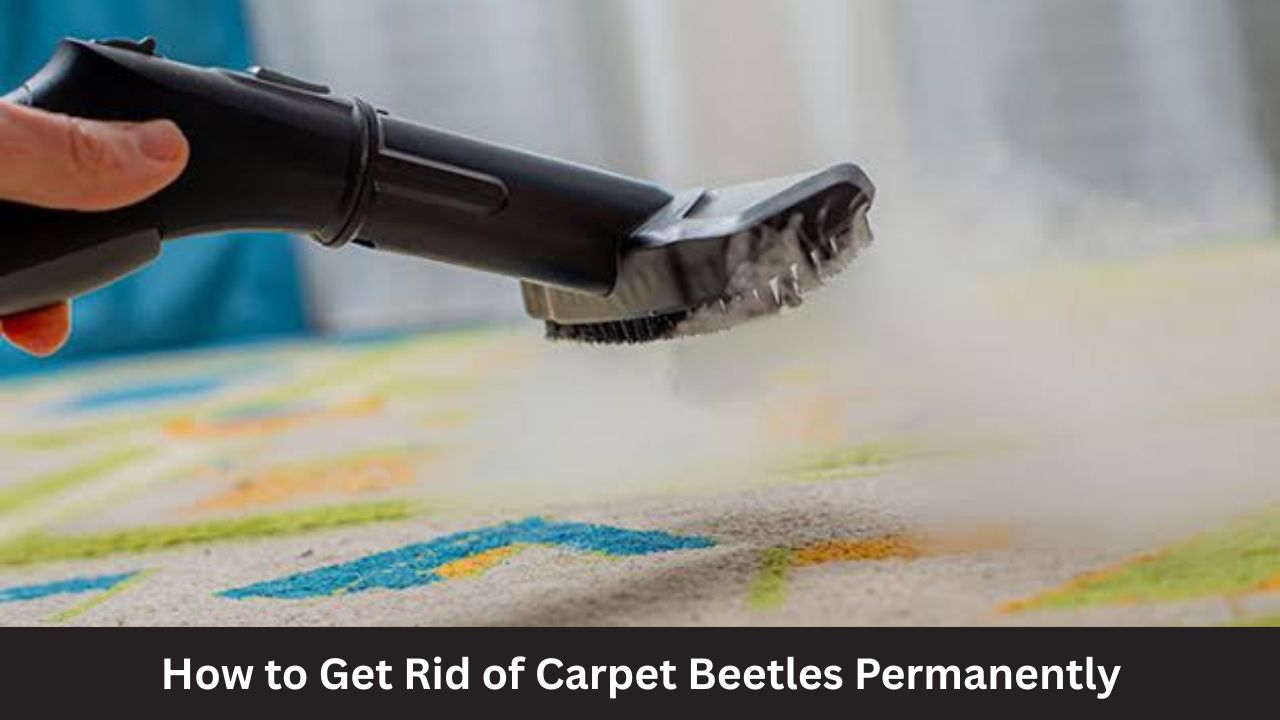
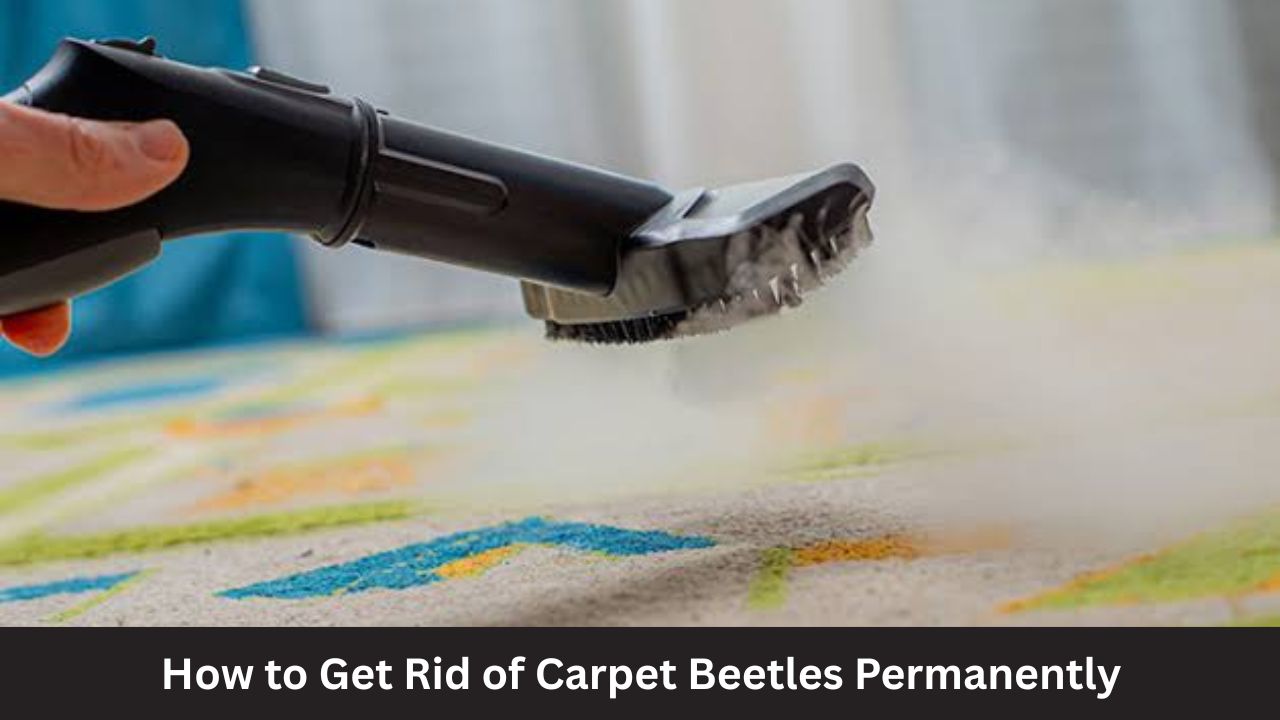
To make vacuuming work as a permanent solution, you need to use an attachment hose to reach deep along baseboards, heating vents, air ducts, and under heavy furniture. Focus heavily on areas where dust and pet hair accumulate, as this debris serves as a primary food source for the larvae. Repeat this deep vacuuming process at least once a day for three consecutive weeks to break the breeding cycle. Always empty the canister or bag immediately into an outdoor trash bin so captured larvae cannot crawl back out inside your utility closet.
|
Feature |
Details |
|
Frequency Required |
Once daily for 21 days minimum |
|
Primary Areas |
Baseboard cracks, under couches, inside closets, air vents |
|
Crucial Action |
Empty vacuum bag or container directly into an outdoor bin immediately |
Item #2: Thermal Shock via Steam Cleaning
High heat is a reliable non-chemical weapon against bugs. Steam penetrates fibers deeply enough to destroy resilient insect eggs instantly.
A home steam cleaner that reaches a minimum temperature of 120°F (preferably 140°F to 160°F) will kill larvae and eggs on contact. Run the steamer slowly over large area rugs, upholstered furniture, and heavy drapes. The moisture combined with extreme heat dissolves the protective outer layers of the eggs. Make sure to let the treated items dry completely in a well-ventilated area to prevent mold growth.
|
Metric |
Requirement |
|
Minimum Effective Temp |
120°F (Higher is better) |
|
Best Used On |
Upholstered sofas, non-washable rugs, drapes, mattresses |
|
Secondary Benefit |
Eliminates organic oils and hair that attract future beetles |
Item #3: High-Heat Laundering and Freezing
Your clothes closet is ground zero for carpet beetle damage. Any fabric that can go into a washing machine needs a high-temperature cycle.
Gather all vulnerable garments—especially wool, silk, and cotton blends. Wash them in hot water (at least 120°F) and dry them on high heat for 30 minutes. For delicate items like high-end wool coats or vintage silks that cannot handle a hot wash, use cold instead. Seal the items inside airtight plastic bags and place them in a deep freezer at 0°F for at least 72 hours. This extreme cold kills all life stages without warping delicate fabrics.
|
Fabric Type |
Treatment Method |
Duration |
|
Durable Cotton/Synthetics |
Hot Wash + High Heat Dry |
Full regular cycle |
|
Delicate Wool/Silk |
Deep Freeze at 0°F |
3 consecutive days |
|
Storage Strategy |
Seal clean items in airtight plastic bins |
Until infestation clears |
Item #4: Diatomaceous Earth Application
Food-grade Diatomaceous Earth (DE) is an excellent natural powder that acts as a mechanical insecticide rather than a chemical one.
DE consists of fossilized, microscopic algae skeletons. To insects, these particles feel like razor-sharp shards. When a carpet beetle larva crawls across the powder, the DE cuts through its waxy protective coating, causing the insect to dehydrate and die within a few days. Dust a fine layer of food-grade DE into floorboard cracks, behind furniture, and along closet perimeters. It remains effective indefinitely as long as it stays dry.
|
Attribute |
Details |
|
Material Safety |
Food-grade is safe for pets and humans (avoid breathing dust) |
|
Mechanism |
Physical dehydration (cuts through insect shell) |
|
Placement |
Inside wall voids, back of closets, under appliances |
Item #5: Boric Acid Treatment
Boric acid is another effective dust option that acts as a stomach poison for foraging larvae while remaining relatively low-toxicity for households.
Mix a light solution of boric acid powder with water to spray on carpets, or puff the dry powder directly into hard-to-reach cracks. When larvae clean themselves, they ingest the powder, which disrupts their metabolic system. Note that boric acid has a slight bleaching effect on dark fabrics, so always test a small, hidden patch of fabric before wide application. Keep it out of reach of domestic pets.
|
Pros |
Cons |
|
Kills larvae quickly upon ingestion |
Can discolor dark carpets or fabrics |
|
Inexpensive and widely available |
Toxic to house pets if consumed in large amounts |
Item #6: Vinegar Wipe-Downs
Regular cleaning sprays do not bother carpet beetles, but white vinegar alters the environment in a way they cannot tolerate.
Vinegar serves a dual purpose: its acidic nature strips away the pheromones and scent trails left behind by adult beetles, and the sharp smell deters females from laying eggs in the area. Mix a 1:1 solution of white vinegar and warm water in a spray bottle. Wipe down closet shelves, dresser drawers, windowsills, and baseboards. This removes food dust, skin flakes, and dead hair particles while creating a hostile environment for incoming pests.
|
Component |
Function |
|
Mixture Ratio |
Equal parts white vinegar and distilled water |
|
Target Areas |
Empty drawers, shelving units, window tracks |
|
Action Mechanism |
Removes larval food traces and neutralizes pheromones |
Item #7: Professional Residual Insecticides
When natural methods fail or the infestation spreads inside your walls, targeted chemical spot treatments become necessary.
Look for a residual insecticide containing active ingredients like bifenthrin, deltamethrin, or permethrin. Apply the product strictly as a spot treatment along baseboard perimeters, carpet edges, and underneath furniture. Do not spray this over the entire surface of your bed or seating areas. The residual chemical leaves a thin barrier that kills foraging larvae over several weeks. Keep children and pets away from treated surfaces until the spray dries completely.
|
Criteria |
Guidance |
|
Key Ingredients |
Permethrin, Bifenthrin, or Deltamethrin |
|
Application Style |
Coarse spray strictly directed at cracks and baseboards |
|
Drying Time |
Keep family and pets away for 2 to 4 hours |
How to Get Rid of Carpet Beetles Permanently: Long-Term Prevention
Once your home is clean, you must implement long-term preventative habits to stop a secondary wave.
- Install Fine Window Screens: Adult beetles live outdoors and feed on flower pollen. They fly into homes through gaps in windows during spring. Ensure your window mesh is intact and tightly fitted.
- Store Clothes Strategically: Never store worn garments back in your closet. Sweat, skin flakes, and food stains make natural wool vastly more appealing to carpet beetles. Wash clothes first, then store them in heavy-duty plastic containers with snapping lids rather than cardboard boxes.
- Clear Out Old Nests: Birds, wasps, and rodents often leave abandoned nests in attics, chimneys, or under eaves. Carpet beetles thrive in these nests, feeding on feathers and hair, before migrating indoors. Remove these external hazards safely.
Conclusion
Getting your home clear requires persistence and a methodical approach. If you apply consistent pressure using deep vacuuming, heat treatments, and targeted structural barriers, you can figure out how to get rid of carpet beetles permanently without needing to throw out your favorite rugs or wardrobe items. Start by identifying their primary feeding zone, clean every fabric thoroughly, protect your storage areas, and monitor your baseboards over the next month to ensure they are gone for good.
FAQs
Can carpet beetles live in your bed?
Yes. While they do not feed on human blood like bedbugs, carpet beetle larvae will live in your mattress, pillows, and blankets if your bedding contains natural wool, feathers, or accumulates significant amounts of dead skin flakes and hair.
Why do I keep finding carpet beetles even after cleaning?
Carpet beetle eggs are incredibly small and can take up to two weeks to hatch. If you miss a single cluster of hidden eggs behind a baseboard or inside an air vent, a new generation of larvae will emerge a couple of weeks after your initial cleaning effort.
Do mothballs kill carpet beetles?
Mothballs can kill larvae, but they require a tightly sealed, airtight container to build up a high enough concentration of toxic vapor to work. Placing mothballs open in a walk-in closet or bedroom will not control carpet beetles and will leave your living space smelling heavily of chemicals.