
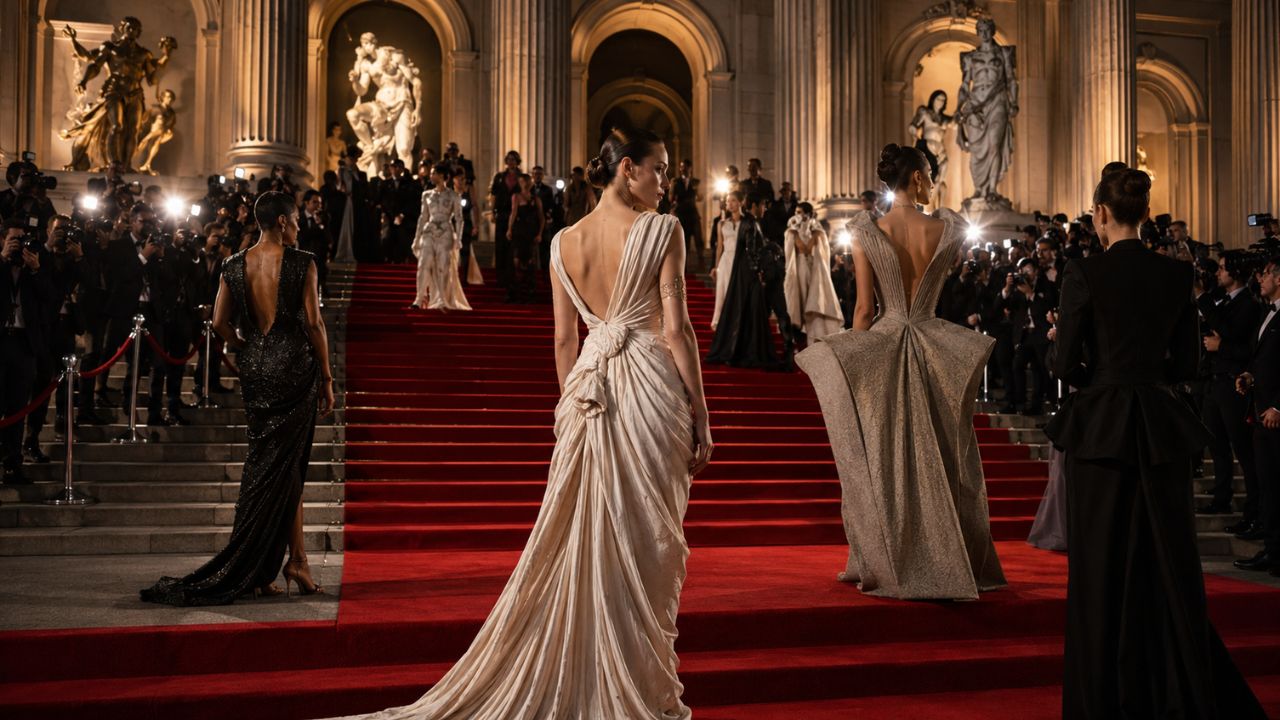
The Met Gala always starts the same way. The theme drops, the internet reacts, and half the conversation gets stuck on the wrong thing.
The 2026 edition was no different.
The official exhibition theme was “Costume Art.” The dress code was “Fashion Is Art.” Simple enough, right? Not exactly. A lot of people treated it like a costume party, a painting reference challenge, or a contest to see who could look the most dramatic.
That missed the bigger point.
This Met Gala 2026 Theme Explained: What Everyone Got Wrong guide breaks down what the theme really meant, why the dress code confused people, and how the smartest red carpet looks understood the link between clothing, art, and the body.
Quick Facts About the 2026 Met Gala
Before we get into the mistakes, here are the basics.
|
Detail |
Information |
|
Event |
Met Gala 2026 |
|
Date |
Monday, May 4, 2026 |
|
Exhibition Theme |
Costume Art |
|
Dress Code |
Fashion Is Art |
|
Venue |
The Metropolitan Museum of Art, New York |
|
Exhibition Dates |
May 10, 2026 to January 10, 2027 |
|
Co-Chairs |
Beyoncé, Nicole Kidman, Venus Williams, Anna Wintour |
|
Main Idea |
The dressed body as art |
|
Exhibition Scale |
Nearly 400 objects |
|
Gallery Milestone |
First show in the new Condé M. Nast Galleries |
Why the 2026 Theme Was Easy to Misread
“Fashion Is Art” sounds broad. That was the problem.
The phrase gave guests room to interpret. But it also made people think the assignment was simply to dress like a painting, sculpture, or museum object. Some looks did that well. Some looked like Halloween with a bigger budget.
The deeper exhibition, Costume Art, was not only about art references. It studied the body through clothing. It asked how fashion shapes, reveals, hides, honors, decorates, and sometimes distorts the human form.
That difference matters.
The red carpet was flashy. The exhibition was more thoughtful. The best looks found a bridge between both.
Met Gala 2026 Theme Explained: What Everyone Got Wrong
Here are the biggest things people misunderstood about the 2026 Met Gala theme.
1. They Confused the Theme with the Dress Code
The biggest mistake was mixing up the exhibition theme and the red carpet dress code. They were connected, but they were not the same thing.
The theme was Costume Art. That was the name of the museum exhibition. The dress code was Fashion Is Art. That was the prompt for guests.
The exhibition focused on how garments and artworks talk to each other through the body. The dress code gave celebrities a shorter, more public-facing idea to interpret.
That is why some outfits looked like direct art references while others leaned into silhouette, anatomy, fabric, posture, or body shape.
|
What People Thought |
What Was Correct |
|
“Fashion Is Art” was the whole theme |
It was the dress code |
|
“Costume Art” meant costume party |
It was the exhibition title |
|
Guests had to copy paintings |
They could interpret fashion as art |
|
The red carpet told the whole story |
The museum exhibition gave the real context |
2. They Thought “Costume” Meant Cosplay
The word “costume” caused confusion. Many casual viewers hear “costume” and think of Halloween, theater outfits, or character dressing.
At The Met, costume means dress history, fashion objects, garments, accessories, and the study of clothing as culture. The Costume Institute does not treat clothing as throwaway fabric. It treats it as art, design, craft, and social history.
So no, the 2026 theme was not asking guests to dress like movie characters or fantasy figures. It was asking them to think about clothing as a serious art form.
That could mean shape. It could mean construction. It could mean fabric. It could mean how a body is framed.
|
Misread |
Better Understanding |
|
Costume means cosplay |
Costume means fashion history and dress |
|
Bigger outfits are automatically better |
Concept matters more than size |
|
Character dressing fits the theme |
Only if it connects to art and the body |
|
Drama equals success |
Strong interpretation equals success |
3. They Treated It Like a “Dress as a Painting” Challenge
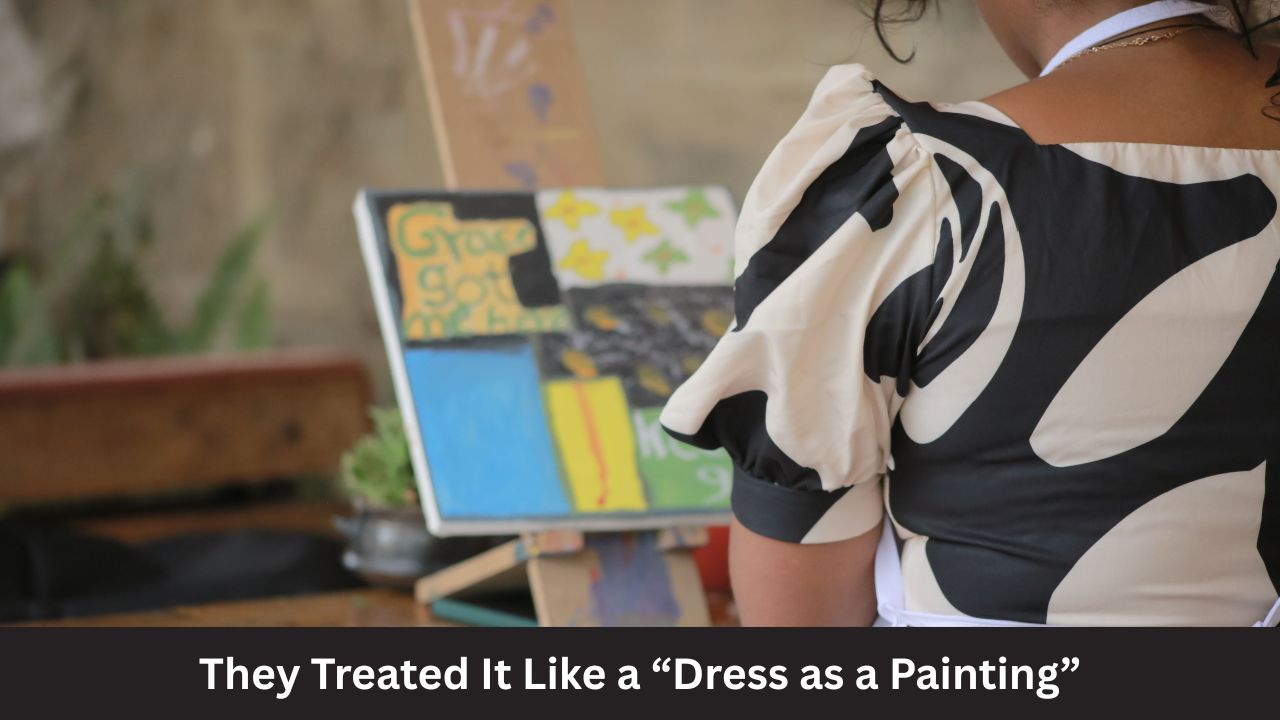
This was the most visible mistake. Once people saw the phrase “Fashion Is Art,” many assumed the red carpet should become a museum wall.
Some guests leaned into direct references. That can work when done well. A look inspired by Klimt, classical sculpture, religious painting, portraiture, or surrealism can feel smart if it also says something about the body.
But copying a famous image is not enough. The look should translate the artwork into fashion, not just wear the artwork as a print.
The strongest outfits did more than point at an art reference. They turned the body into part of the idea.
|
Weak Approach |
Strong Approach |
|
Print a painting on a gown |
Rebuild the mood, shape, or texture |
|
Carry a prop and call it art |
Let the garment create the concept |
|
Copy an artwork too literally |
Transform the reference through fashion |
|
Use art as decoration only |
Use fashion as interpretation |
4. They Missed the Body at the Center of the Theme
The 2026 exhibition was really about the dressed body. That was the heart of it.
Fashion does not exist without the body. A garment changes once someone wears it. It moves, pulls, folds, stretches, reveals, and hides. The exhibition explored that relationship across time, art forms, and body types.
That is why anatomy, pregnancy, aging, nudity, beauty standards, disability, movement, and posture all mattered to the theme.
The best red carpet looks understood this. They did not just ask, “What artwork can I reference?” They asked, “What does this outfit say about the body?”
|
Body Idea |
How It Could Appear in Fashion |
|
Anatomy |
Structure, bones, organs, corsetry, cutouts |
|
Movement |
Draping, fluid fabric, kinetic shapes |
|
Aging |
Texture, memory, patina, softness |
|
Pregnancy |
Form, protection, visibility |
|
Classical body |
Drapery, sculpture-like lines |
|
Reclaimed body |
Power, identity, self-definition |
5. They Judged Every Look by the Same Rule
Met Gala themes are not school uniforms. There is not one correct answer.
Some guests took the theme literally. Some were subtle. Some referenced specific artworks. Some focused on shape, body, construction, or material. A few barely engaged with the theme at all.
The mistake is judging every look by one narrow rule: “Did it look like art?”
A smarter question is: “Did the outfit explain a relationship between fashion, art, and the body?”
A minimalist look could fit the theme if the cut, tailoring, and body placement were strong. A massive sculptural gown could fail if it looked impressive but said nothing.
|
Judging Question |
Better Question |
|
Is it dramatic? |
Is it thoughtful? |
|
Is it expensive-looking? |
Does the construction matter? |
|
Is it a clear art reference? |
Does it translate art into fashion? |
|
Is it on theme at first glance? |
Does the concept hold up? |
6. They Forgot the Exhibition Was a Major Museum Moment
The 2026 Met Gala was not just another celebrity red carpet. It marked a major institutional moment for The Costume Institute.
Costume Art opened the new Condé M. Nast Galleries, a nearly 12,000-square-foot space near the Great Hall. That gave fashion a stronger physical presence inside the museum.
That matters because fashion has often had to defend its place as “real art.” This exhibition pushed back against that old divide. It placed garments beside paintings, sculptures, and objects from across The Met’s collection.
So the real story was not only what celebrities wore. It was how the museum framed fashion as part of art history.
|
Why It Mattered |
Explanation |
|
New galleries |
Fashion gained a major new exhibition space |
|
Nearly 400 objects |
The show had museum-wide scale |
|
Cross-department pairings |
Garments sat beside art objects |
|
Long exhibition run |
The theme lived beyond one red carpet night |
7. They Reduced the Theme to “Who Looked Best?”
Best-dressed lists are fun. They are also limited.
The Met Gala is built for celebrity spectacle, so it makes sense that people talk about glamour, beauty, and viral moments. But the 2026 theme asked for more than surface impact.
A look could be beautiful and still shallow. A look could be strange and still smart. A look could be hard to like but strong in concept.
That is the tension of a theme like Fashion Is Art. Art is not always flattering. It can be unsettling, funny, emotional, political, or uncomfortable.
That is why some of the most interesting 2026 looks were not simply “pretty.” They made people stop and think.
|
Surface Reaction |
Deeper Read |
|
“That’s beautiful” |
Does it say anything? |
|
“That’s weird” |
Is the weirdness intentional? |
|
“That’s not flattering” |
Is beauty the point? |
|
“That’s too literal” |
Did the reference add meaning? |
8. They Ignored How Broad “Art” Really Is
A lot of viewers treated “art” as painting or sculpture only. But the theme stretched wider than that.
Art can be portraiture, craft, textile work, performance, architecture, anatomy, religious imagery, photography, dance, and design. Fashion can touch all of those.
That gave guests many paths into the theme. A dress could reference a painting. A suit could use architectural structure. A gown could echo sculpture. A textile could connect to craft traditions. A look could use movement like performance art.
The strongest interpretations did not shrink art into one category.
|
Art Form |
Fashion Translation |
|
Painting |
Color, print, brushwork, composition |
|
Sculpture |
Volume, form, structure |
|
Architecture |
Shape, support, proportion |
|
Performance |
Movement, gesture, staging |
|
Craft |
Beading, embroidery, textile technique |
|
Anatomy |
Corsetry, cutouts, body mapping |
How the Best Looks Understood the Assignment
The best 2026 Met Gala looks usually did one of three things.
First, they connected directly to art history without becoming lazy copies. They referenced paintings, sculpture, or portraiture while still feeling like fashion.
Second, they focused on the body. These looks used anatomy, skin, shape, curves, skeletons, draping, or tension to connect with the exhibition’s deeper idea.
Third, they treated clothing as art in itself. That means the garment did not need to point to another artwork. The tailoring, fabric, construction, and concept carried the message.
A good Met Gala look should be readable but not boring. It should make sense after a little thought.
What Would Have Been Truly Off-Theme?
A look was weak if it ignored all parts of the brief.
That does not mean every outfit needed a museum label. But if a celebrity wore a safe gown with no art reference, no body concept, no interesting construction, and no clear idea, it missed the point.
Off-theme choices usually fell into one of these groups:
- Standard red carpet glam with no concept
- Random drama without a clear idea
- Literal costume with no fashion argument
- Brand promotion dressed up as theme work
- Famous artwork copied without transformation
- Looks that felt more like event dressing than interpretation
The Met Gala rewards risk. But risk has to be controlled. A confusing idea is not automatically deep.
Why “Fashion Is Art” Was a Smart Dress Code
The dress code worked because it was open. It gave designers space to think.
A narrow code can produce a predictable red carpet. “Fashion Is Art” created more variety. Some guests went classical. Some went anatomical. Some went surreal. Some leaned into portraiture. Some explored fabric, body, and movement.
That also made the theme easier to argue about, which is part of the fun.
The best Met Gala themes create conversation. They make people ask what fashion can do beyond looking expensive. The 2026 theme did exactly that.
Met Gala 2026 Theme Explained: What Everyone Got Wrong About the Red Carpet
The red carpet was never supposed to be a simple pass-or-fail test. It was more like a public response to a museum essay.
Some people answered with famous artwork references. Others answered through the body. Others answered through fashion history. Some answered with glamour and only a thin connection to the theme.
That mix is why the night felt messy, but also interesting.
If you want to judge the looks fairly, ask three questions:
- Does the look connect to art, fashion, or the body?
- Is the idea visible without a long explanation?
- Did the designer transform the reference into clothing?
If the answer is yes, the look probably understood the assignment.
FAQs About the Met Gala 2026 Theme
What was the official Met Gala 2026 theme?
The official Costume Institute exhibition theme was Costume Art. It explored the dressed body through fashion and artworks from The Met’s collection.
What was the 2026 Met Gala dress code?
The dress code was Fashion Is Art. It asked guests to treat fashion as an art form and interpret the relationship between clothing, the body, and visual culture.
Why did people confuse the theme and dress code?
Because “Fashion Is Art” was easier to repeat and understand than “Costume Art.” The dress code became the headline, while the exhibition title carried the deeper museum concept.
Did guests have to dress like famous artworks?
No. They could, but they did not have to. The theme allowed references to art history, but it also allowed body-focused design, sculptural fashion, textile craft, and conceptual dressing.
Why was the body so important to the 2026 theme?
The exhibition focused on the dressed body. It explored how clothing and art shape ideas about form, identity, beauty, anatomy, age, pregnancy, and representation.
Was “Costume Art” about Halloween-style costumes?
No. In museum language, costume refers to garments, fashion objects, dress history, and clothing as culture. It was not a cosplay theme.
Who co-chaired the Met Gala 2026?
The 2026 Met Gala was co-chaired by Beyoncé, Nicole Kidman, Venus Williams, and Anna Wintour.
When does the 2026 exhibition run?
The Costume Art exhibition runs from May 10, 2026, through January 10, 2027, at The Metropolitan Museum of Art.
Conclusion
The 2026 Met Gala theme was smarter than many people first thought. It was not just “dress like art.” It was about fashion as a living art form, shaped by the human body.
That is what many quick reactions missed.
This Met Gala 2026 Theme Explained: What Everyone Got Wrong guide shows why “Costume Art” and “Fashion Is Art” were connected but different. The exhibition gave the intellectual backbone. The red carpet gave the spectacle.
The best looks did both. They looked striking, but they also had an idea. That is where the 2026 Met Gala became more than a celebrity fashion parade. It became a public debate about whether clothing belongs beside painting, sculpture, and every other form of art.