
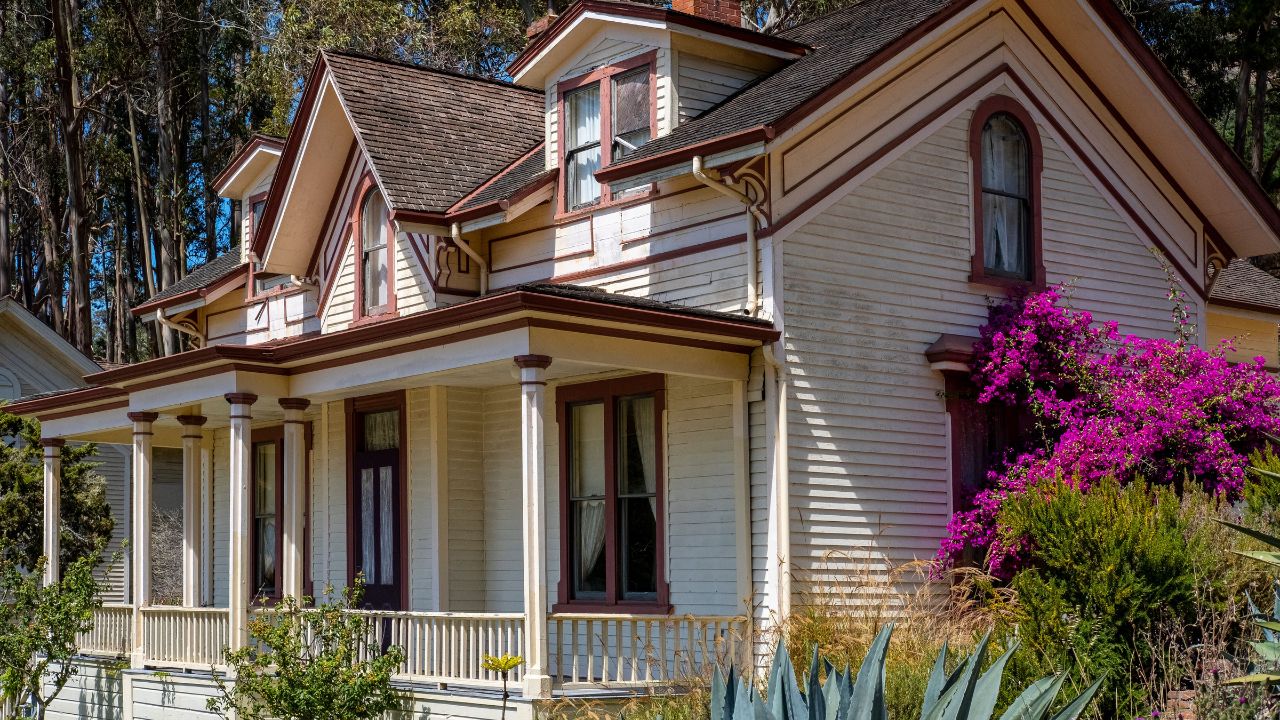
Older homes have charm. They also have creaky floors, thick walls, odd wiring, and rooms that were never built for Wi-Fi, sensors, cameras, or voice control.
That does not mean you need to rip open walls or spend a fortune.
How to Make Your Older Home Smart in 2026 starts with one simple idea: upgrade the home you already have, not the home a tech company imagines. The best smart upgrades for old houses are safe, practical, and easy to remove or replace.
In 2026, smart home tech is more mature. Matter is improving device compatibility. Smart thermostats can cut waste. Smart plugs, leak sensors, and battery cameras can add comfort and safety without major renovation.
The trick is knowing what to install first.
Why Smart Home Upgrades Matter for Older Houses
Older homes often waste energy through drafty windows, weak insulation, old lighting, and outdated HVAC controls. They may also have fewer outlets and weaker Wi-Fi coverage.
Smart tech helps when it solves real problems.
A smart plug can stop phantom power use. A smart thermostat can reduce heating and cooling waste. Leak sensors can warn you before a small drip becomes a ceiling repair. Smart lighting can improve safety in hallways and stairs.
But older homes need a careful plan. You should not install smart switches into unknown wiring. You should not overload old outlets. And you should not buy random gadgets that only work in one app.
Quick Overview: Best Smart Upgrades for Older Homes
| Upgrade | Best For | DIY Friendly? | Rewiring Needed? |
|---|---|---|---|
| Electrical safety check | Old wiring, fuse boxes, weak circuits | No | Maybe |
| Smart plugs | Lamps, fans, small appliances | Yes | No |
| Smart bulbs and LEDs | Lighting, mood, energy savings | Yes | No |
| Smart thermostat | Heating and cooling control | Sometimes | Maybe |
| Mesh Wi-Fi | Thick walls, dead zones | Yes | No |
| Smart locks and cameras | Entry safety, package alerts | Usually | No |
| Leak and smoke sensors | Basements, kitchens, attics | Yes | No |
| Smart irrigation | Older yards and gardens | Sometimes | No |
How to Make Your Older Home Smart in 2026: The Safe Upgrade Plan
The best answer is not “buy everything.” It is “start with the house.”
Check the wiring. Fix Wi-Fi dead zones. Pick one smart home platform. Then add devices by room and problem.
This order saves money and prevents frustration.
Item #1: Start With an Electrical Safety Check
Before you install smart switches, outlets, thermostats, or hardwired cameras, check the home’s electrical system. Older houses may have old panels, ungrounded outlets, aluminum wiring, knob-and-tube wiring, or overloaded circuits.
A licensed electrician can tell you what is safe and what needs work. This matters because many smart switches need a neutral wire. Some older switch boxes do not have one.
Do not guess. Do not force a smart switch into a box that cannot support it.
You can still make the home smart without rewiring. Use smart bulbs, smart plugs, wireless sensors, and battery-powered cameras first.
| What to Check | Why It Matters | Smart Home Tip |
| Electrical panel | Old panels may not support new loads | Upgrade if circuits trip often |
| Neutral wire | Many smart switches need it | Use no-neutral switches or smart bulbs |
| GFCI/AFCI protection | Helps reduce shock and fire risks | Ask an electrician |
| Outlet condition | Loose outlets can be unsafe | Replace damaged outlets |
| Circuit capacity | Prevents overload | Avoid too many devices on one outlet |
Item #2: Choose One Smart Home Ecosystem
Older homes already have enough quirks. Your smart home should not add more chaos.
Pick one main ecosystem before buying devices. Popular choices include Apple Home, Google Home, Amazon Alexa, Samsung SmartThings, and Home Assistant.
In 2026, Matter makes this easier. Matter is a smart home standard that helps devices work across different platforms. Matter 1.6 also improves setup and multi-ecosystem sharing, which is useful for families who use different phones or assistants.
Still, you should not assume every device works perfectly everywhere. Look for the Matter logo, check app support, and read the product page before buying.
The best answer to How to Make Your Older Home Smart in 2026 is to build around compatibility, not hype.
| Platform Choice | Good For | Watch Out For |
| Apple Home | Privacy-focused homes, iPhone users | Fewer budget devices |
| Google Home | Android users, Nest devices | Check Matter support |
| Amazon Alexa | Voice control, wide device range | Privacy settings matter |
| SmartThings | Mixed-brand smart homes | Needs careful setup |
| Home Assistant | Advanced users | More technical setup |
Item #3: Fix Wi-Fi Before Buying More Devices
Smart homes run on reliable connections. Older homes often have thick walls, plaster, brick, long hallways, and awkward router placement. That can kill Wi-Fi performance.
Do not hide your router in a cabinet or basement corner. Place it near the center of the home if possible.
For larger older homes, a mesh Wi-Fi system often works better than one router. It spreads coverage across rooms and floors. You can also use Ethernet backhaul if your home already has wiring, or if you are doing a renovation.
Keep smart devices on a strong network. Weak Wi-Fi causes delayed lights, offline cameras, and failed automations.
| Wi-Fi Problem | Best Fix | Extra Tip |
| Thick walls | Mesh Wi-Fi | Place nodes in open areas |
| Basement dead zone | Extra mesh node | Avoid metal shelves |
| Camera drops offline | Stronger outdoor signal | Use wired power if possible |
| Too many devices | Modern router | Use guest or IoT network |
| Slow response | Move router | Avoid microwave interference |
Item #4: Use Smart Plugs for the Easiest First Win
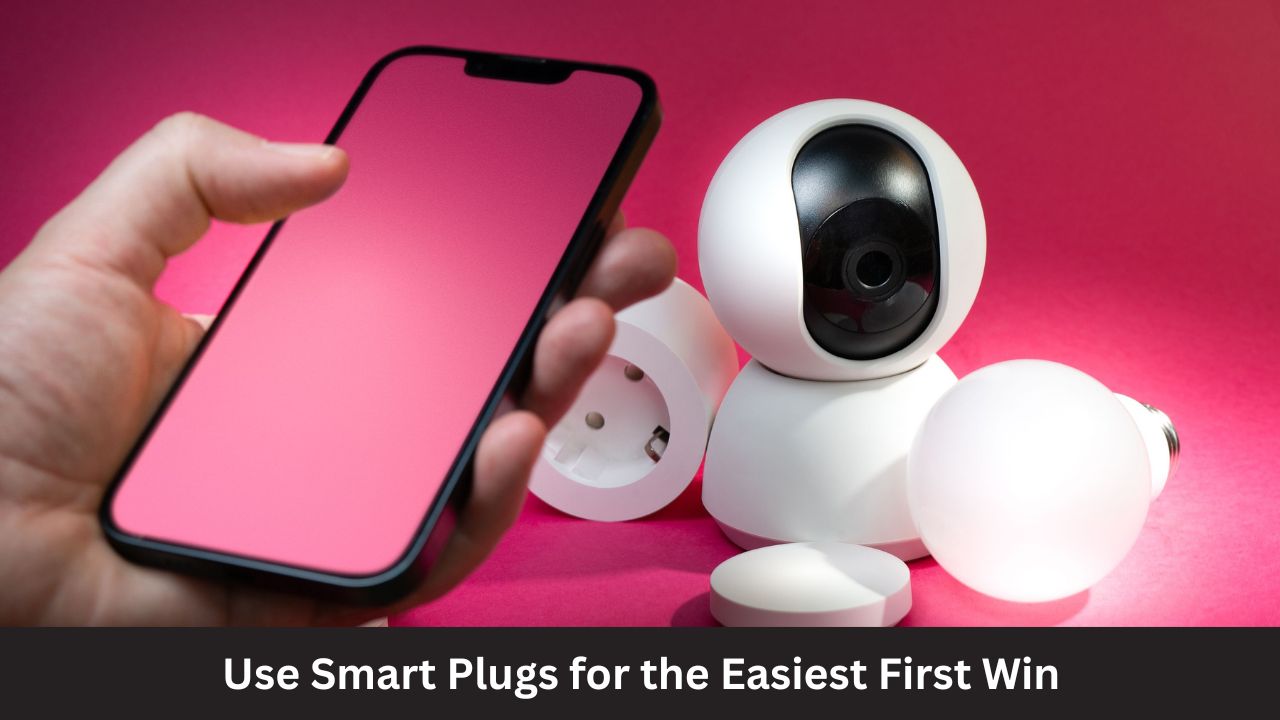
Smart plugs are the quickest upgrade for an older home. You plug them into an outlet, connect them to an app, and control whatever is plugged into them.
They work well for lamps, fans, holiday lights, coffee makers, dehumidifiers, and air purifiers. They are also great for older rooms where replacing switches is not worth it.
Use smart plugs to build simple routines:
- Turn living room lamps on at sunset.
- Shut off a fan after two hours.
- Turn on a dehumidifier when humidity rises.
- Cut power to chargers overnight.
Avoid using smart plugs with high-load appliances unless the plug is rated for that device. Space heaters, large air conditioners, and heavy kitchen appliances need extra caution.
| Best Use | Benefit | Safety Note |
| Lamps | Easy schedule control | Use LED bulbs |
| Fans | Timed comfort | Check plug rating |
| Dehumidifier | Moisture control | Use grounded outlet |
| Coffee maker | Morning routine | Do not leave unsafe appliances unattended |
| Holiday lights | Auto on/off | Use outdoor-rated plugs outside |
Item #5: Upgrade Lighting With Smart Bulbs, LEDs, and Motion Sensors
Lighting is one of the best smart upgrades for an older house. It is simple, useful, and often does not need wiring changes.
Start by replacing old incandescent bulbs with LEDs. Then add smart bulbs where you want dimming, color control, or schedules. Use motion sensors in hallways, staircases, laundry rooms, and entryways.
For older homes, smart bulbs are often safer than smart switches because they do not require opening the wall. They are also great for renters or homeowners who want a reversible upgrade.
Smart lighting can improve safety too. A motion-activated hallway light can help at night. A sunset routine can make the house look occupied when you are away.
| Lighting Upgrade | Best Location | Main Benefit |
| LED bulbs | Whole home | Lower energy use |
| Smart bulbs | Bedrooms, lamps | Dimming and schedules |
| Motion sensors | Hallways, stairs | Safer movement |
| Smart outdoor lights | Porch, garage | Security and visibility |
| Smart dimmers | Dining/living rooms | Better mood control |
Item #6: Add a Smart Thermostat, But Check Compatibility First
A smart thermostat can make an older home more comfortable and efficient. It can learn routines, adjust settings, and reduce heating or cooling when nobody is home.
But older HVAC systems can be tricky.
Some homes do not have a C-wire. Some use boilers, radiators, heat pumps, or multi-zone systems. Some old thermostats control high-voltage systems, which are not compatible with common low-voltage smart thermostats.
Before buying, check:
- Your HVAC type.
- Your thermostat wiring.
- Whether you have a C-wire.
- Whether your system uses line voltage.
- Whether the thermostat supports your heating setup.
If you are unsure, call an HVAC technician. A wrong thermostat install can damage equipment.
| HVAC Situation | Smart Thermostat Tip | DIY Risk |
| Central HVAC with C-wire | Usually easier | Low to medium |
| No C-wire | Use adapter or compatible model | Medium |
| Boiler/radiator | Check compatibility | Medium |
| Heat pump | Needs proper setup | Medium |
| Line-voltage heat | Needs special thermostat | High |
Item #7: Make Doors, Windows, and Entry Points Smarter
You do not need a full alarm system to make an older home safer. Start with the doors and windows you use most.
Smart locks can help if you often forget keys or need to let in family, cleaners, or guests. Door and window sensors can alert you when something opens. Video doorbells can show deliveries and visitors.
For older doors, measure carefully. Some smart locks need a standard deadbolt setup. Warped doors, thick trim, and antique hardware may need extra work.
Battery-powered cameras are helpful where wiring is hard. But use them wisely. Avoid pointing cameras at neighbors’ private spaces.
| Device | Best Use | Older Home Tip |
| Smart lock | Front/back door | Check deadbolt fit |
| Door sensor | Entry alerts | Works without rewiring |
| Window sensor | Ground-floor windows | Good for old sash windows |
| Video doorbell | Porch and packages | Check chime wiring |
| Battery camera | Garage, side gate | Watch battery life |
Item #8: Protect Against Leaks, Smoke, and Air Quality Problems
Older homes often hide problems in basements, crawl spaces, attics, kitchens, and laundry rooms. Smart sensors can catch trouble early.
Water leak sensors are cheap and useful. Place them under sinks, near water heaters, behind washing machines, beside sump pumps, and near old plumbing lines.
Smart smoke and carbon monoxide alarms can send alerts to your phone. Air quality monitors can track humidity, particles, and ventilation issues.
This is where smart home tech feels less flashy and more practical. A leak alert at 2 a.m. can save flooring, drywall, and furniture.
| Sensor Type | Best Location | Why It Helps |
| Leak sensor | Water heater, sink, washer | Catches early leaks |
| Freeze sensor | Basement, crawl space | Warns before pipe risk |
| Smart smoke alarm | Bedrooms, hallways | Phone alerts |
| CO detector | Near sleeping areas | Safety warning |
| Air quality monitor | Living room, bedroom | Tracks humidity and particles |
Item #9: Use Smart Shades, Fans, and Plugs for Comfort
Older homes can be drafty in winter and hot in summer. Smart comfort upgrades can help without major work.
Smart shades can reduce heat gain during sunny hours. Smart ceiling fan controls can improve airflow. Smart plugs can schedule air purifiers, humidifiers, and dehumidifiers.
These upgrades work best when paired with basic home fixes. Seal gaps. Add weatherstripping. Use curtains. Improve insulation where possible.
Smart tech should not cover up building problems. It should make good home maintenance easier.
| Comfort Upgrade | Helps With | Simple Routine |
| Smart shades | Sun and heat | Close during hot afternoons |
| Smart fan control | Air movement | Run before bedtime |
| Humidifier plug | Dry winter air | Run by schedule |
| Dehumidifier plug | Damp basement | Run during high humidity |
| Smart vent monitor | Room comfort | Track uneven temperatures |
Item #10: Upgrade Outdoor Spaces With Smart Irrigation and Lighting
If your older home has a yard, garden, or long driveway, outdoor smart tech can save time and improve safety.
Smart irrigation controllers use weather data to avoid watering when the ground does not need it. This is better than old clock-based sprinkler timers. Outdoor motion lights can also make paths, steps, and garages safer.
Use outdoor-rated devices only. Indoor smart plugs and sensors do not belong outside.
Also check Wi-Fi strength before installing outdoor cameras, lights, or irrigation controllers. A weak signal can make outdoor devices unreliable.
| Outdoor Upgrade | Best For | Buying Tip |
| Smart irrigation | Lawns and gardens | Look for WaterSense label |
| Outdoor smart plug | Patio lights | Must be outdoor-rated |
| Motion floodlight | Driveway, garage | Check brightness |
| Outdoor camera | Side gate, porch | Check weather rating |
| Path lights | Walkways | Solar options work well |
Common Mistakes to Avoid
Many homeowners waste money by buying devices before making a plan.
Avoid these mistakes:
- Buying devices that do not support your platform.
- Installing smart switches without checking wiring.
- Using indoor plugs outside.
- Ignoring firmware updates.
- Leaving default passwords unchanged.
- Putting cameras where they invade privacy.
- Adding too many Wi-Fi devices without upgrading the router.
- Expecting smart devices to fix poor insulation or old HVAC problems.
A smart home should make life easier, not turn every room into a troubleshooting project.
Best Budget Plan for Older Homes
You can start small and still get strong results.
| Budget Level | What to Buy First | Best Outcome |
| Under $100 | Smart plugs, LED bulbs, leak sensors | Quick safety and energy wins |
| $100–$300 | Smart lighting, sensors, mesh node | Better comfort and coverage |
| $300–$700 | Smart thermostat, lock, doorbell | Energy and security upgrades |
| $700+ | Mesh Wi-Fi, smart shades, pro inspection | Stronger whole-home setup |
Start with the areas you use daily. Kitchen. Bedroom. Entryway. Basement. Hallway. These rooms give the fastest value.
FAQs About Smartening an Older Home
Can I make an older home smart without rewiring?
Yes. Use smart plugs, smart bulbs, battery sensors, wireless cameras, smart speakers, and plug-in hubs. For hardwired switches, outlets, or thermostats, check the wiring first.
Do smart switches work in old homes without neutral wires?
Some do, but not all. Many smart switches need a neutral wire. If your switch box does not have one, choose a no-neutral model, use smart bulbs, or ask an electrician about options.
Is Matter important for older homes?
Yes, especially if you want devices from different brands to work together. Matter can reduce app clutter and make future upgrades easier. Still, check each device’s supported features before buying.
Should I choose smart bulbs or smart switches?
Use smart bulbs when you want the easiest setup. Use smart switches when you want wall control for a full room. In older homes, smart bulbs are often the safer first step.
Are smart thermostats worth it in older homes?
They can be worth it if your HVAC system is compatible. They help reduce wasted heating and cooling, but they work best when the home is also sealed and insulated well.
What is the safest first smart device for an older home?
A smart plug, LED bulb, or leak sensor is usually the safest first step. These devices need no wiring and solve real problems fast.
Can smart home tech raise home value?
It can help with buyer appeal, especially when upgrades are practical and easy to use. Smart locks, thermostats, lighting, and security devices are more attractive than confusing gadget setups.
How do I secure smart home devices?
Change default passwords. Use two-factor authentication. Keep apps and firmware updated. Use a strong Wi-Fi password. Remove devices you no longer use.
Conclusion
How to Make Your Older Home Smart in 2026 comes down to smart choices, not a massive renovation.
Start with safety. Fix weak Wi-Fi. Choose one ecosystem. Add useful devices one room at a time. Focus on lighting, comfort, security, leak detection, and energy savings.
Older homes do not need to lose their character to become smarter. With the right plan, you can keep the charm and add the convenience.