
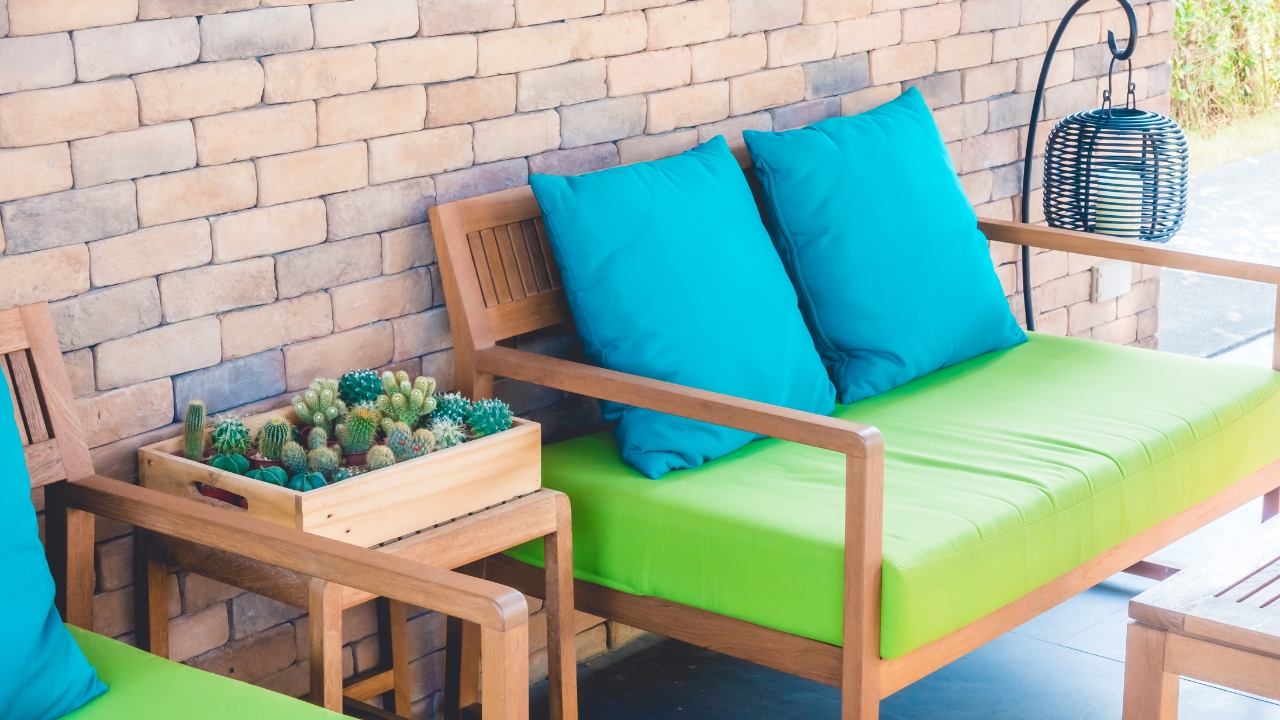
Small patios can be weirdly frustrating. You look at the space and think, “This could be nice.” Then you bring in a chair, maybe a table, and suddenly it feels like you’ve lost half the area.
That’s usually where people go wrong. They try to “fill” the space instead of actually thinking about how it will be used.
The truth is simple. The best patio furniture for small spaces isn’t about going smaller. It’s about choosing pieces that don’t fight the space.
In 2026, outdoor living is leaning in a more practical direction. People want comfort, but they also want breathing room. Furniture is getting lighter, smarter, and easier to move. Foldable chairs, compact loungers, and storage-friendly benches are becoming the default choices in apartments and small homes.
This guide is here to keep things simple. No overthinking. Just real, usable ideas that actually work when space is tight.
So, What Actually Works Best for Small Patios?
If you want a quick answer, here it is. There’s no single “perfect set.” It depends on how you use your space.
A small bistro set works well if you just want a place to eat or drink coffee. A slim loveseat makes more sense if you want to sit back and relax. And if you hate clutter, foldable furniture will probably save your sanity.
Quick breakdown
|
What you want |
What usually works |
|
Coffee or light meals |
Bistro set |
|
Relaxing |
Compact loveseat |
|
Flexible setup |
Foldable chairs |
|
Extra storage |
Storage bench |
|
Occasional guests |
Stackable chairs |
The goal isn’t to fill every corner. It’s to keep the space usable.
Why Small Outdoor Spaces Need a Different Approach
A big backyard forgives mistakes. A small patio doesn’t.
One oversized chair can throw off the whole layout. A wide table can block movement. Even a nice-looking set can feel wrong once it’s actually in place.
That’s why small spaces need a different mindset.
Instead of thinking “What looks good together?”, it helps more to ask:
Can I still walk comfortably? Can I move things around? Does this feel open or crowded?
Designers often talk about “flow,” and that’s really what matters here. If you have to squeeze past furniture every time you step outside, the space stops feeling relaxing.
Simple comparison
|
Big space habit |
Small space reality |
|
Large sofas |
Take over everything |
|
Full dining sets |
Feel tight fast |
|
Heavy décor |
Hard to adjust |
|
Fixed layout |
Needs flexibility |
Before You Buy Anything, Measure Properly
This sounds obvious, but most people skip it.
And then they regret it.
Don’t just guess. Measure the space properly. Width, depth, and most importantly, door clearance.
Then imagine yourself actually using it. Can you pull a chair out? Can you walk around without turning sideways?
A simple trick helps a lot. Use tape on the floor to mark where furniture will go. It’s not fancy, but it saves a lot of bad purchases.
Simple checklist
|
Step |
What to do |
|
Measure space |
Don’t estimate |
|
Check doors |
Make sure nothing blocks them |
|
Mark layout |
Use tape or chalk |
|
Test movement |
Walk through it |
The Furniture That Actually Works in Small Spaces
Here’s where things get practical.
The best patio furniture for small spaces usually falls into a few categories: foldable, stackable, or multi-use pieces.
Anything that only does one job and takes up permanent space needs to earn its place.
Bistro sets are a classic for a reason. They just work. Foldable chairs are perfect when space needs to stay flexible. Storage benches quietly solve clutter problems without taking extra room.
Nesting tables are another underrated win. You get flexibility without committing to a large coffee table that dominates everything.
Read Also: How to Mix and Match Furniture Like a Pro Designer
Real-world breakdown
|
Furniture type |
Why it works |
|
Bistro set |
Simple and balanced |
|
Foldable chairs |
Easy to store |
|
Stackable chairs |
Good for guests |
|
Storage bench |
Hides clutter |
|
Nesting tables |
Flexible use |
Materials Matter More Than People Think
In small spaces, furniture usually gets used more often and sits closer to the elements. So material choice matters a lot.
Aluminum is light and easy to move around. Resin wicker gives a cozy feel without too much maintenance. Teak lasts a long time but costs more. Steel is strong but needs care in wet or humid weather.
Plastic or HDPE furniture is often underrated. It’s not fancy, but it holds up well and is easy to clean.
Quick guide
|
Material |
What it’s good at |
Watch out for |
|
Aluminum |
Light and modern |
Can heat up |
|
Resin wicker |
Comfortable look |
Sun exposure |
|
Teak |
Long-lasting |
Price |
|
Steel |
Strong build |
Rust risk |
|
HDPE/plastic |
Low maintenance |
Basic look |
Matching Furniture to Your Space Type
Not every small space is the same.
A balcony behaves differently from a small patio or courtyard. That’s why “one set fits all” rarely works.
Balconies usually need foldable or railing-mounted furniture. Narrow patios work better with slim seating along the walls. Courtyards can handle a bit more comfort, like a loveseat or small dining set.
Space guide
|
Space type |
Better choice |
|
Balcony |
Foldable setup |
|
Narrow patio |
Slim loveseat |
|
Small deck |
Stackable chairs |
|
Courtyard |
Bistro set |
|
Rental home |
Lightweight pieces |
Layout Changes Everything
Even good furniture can feel wrong if the layout is off.
In small spaces, the biggest mistake is pushing everything into the center. That kills movement.
A better approach is to keep the middle open and push seating to the edges. Corners also work surprisingly well. They create a cozy feel without eating up the whole space.
If you like flexibility, keep things modular. Move pieces when needed instead of locking everything in place.
Layout styles
|
Layout style |
What it does |
|
Corner setup |
Feels cozy |
|
Perimeter layout |
Keeps space open |
|
Café setup |
Great for meals |
|
Flexible setup |
Easy to adjust |
What You Should Probably Avoid
Some furniture just doesn’t belong in small spaces.
Big sectionals are the biggest mistake. They look nice in photos, but they overwhelm real patios. Deep chairs with wide arms also take up more room than expected.
Heavy furniture is another issue, especially if you rent. It’s not fun to move, clean around, or rearrange.
And cheap cushions? They don’t survive long outdoors. They soak up moisture and fade quickly.
Common mistakes
|
Mistake |
Why it doesn’t work |
|
Oversized sofas |
Eats space |
|
Heavy sets |
Hard to move |
|
Cheap cushions |
Wear out fast |
|
Too many items |
Feels cluttered |
Comfort Still Matters
Small space doesn’t mean low comfort.
If anything, it matters more because you’re sitting closer to everything.
Seat depth makes a big difference. So does cushion quality. A good cushion can completely change how often you actually use the space.
Back support matters too. A chair that looks nice but feels uncomfortable will end up unused.
Comfort basics
|
Feature |
Why it matters |
|
Seat depth |
Comfort level |
|
Cushion quality |
Daily use |
|
Back support |
Long sitting |
|
Table height |
Practical use |
Weather and Maintenance Reality
Outdoor furniture lives outside. That sounds obvious, but it’s easy to forget when buying.
Sun fades colors. Rain damages cheap materials. Humidity causes mold in cushions if you’re not careful.
Simple habits help. Covers when not in use. Cleaning once in a while. Storing cushions indoors if possible.
Maintenance tips
|
Task |
Why it helps |
|
Use covers |
Protects furniture |
|
Clean regularly |
Avoid buildup |
|
Store cushions |
Prevents damage |
|
Check wood |
Keeps it lasting |
Budget Reality Check
You don’t need to spend a lot, but going too cheap usually backfires.
Budget options are fine for temporary setups. Mid-range furniture tends to hit the sweet spot for most people. Premium pieces are more about long-term use and durability.
The real mistake is spending money on looks instead of durability.
Budget view
|
Range |
What to expect |
|
Budget |
Basic function |
|
Mid-range |
Best balance |
|
Premium |
Long-lasting |
Simple Buying Checklist
Before you buy anything, pause for a second and run through this.
It saves a lot of regret later.
|
Checkpoint |
Why it matters |
|
Measure space |
Avoid size issues |
|
Define use |
Helps decision |
|
Check material |
Weather fit |
|
Review size |
Real dimensions |
|
Plan storage |
Avoid clutter |
Best Picks by Real Use
Different goals need different setups. No one-size-fits-all solution here.
|
Use case |
Best option |
|
Morning coffee |
Bistro set |
|
Relaxing |
Loveseat |
|
Storage need |
Bench |
|
Flexibility |
Foldable set |
|
Guests |
Stackable chairs |
Final Thoughts
At the end of the day, the best patio furniture for small spaces isn’t about buying more. It’s about choosing less, but choosing better.
If the space feels open, easy to move through, and comfortable to sit in, you’ve done it right.
A small patio doesn’t need to be complicated. It just needs furniture that knows when to stay out of the way.