
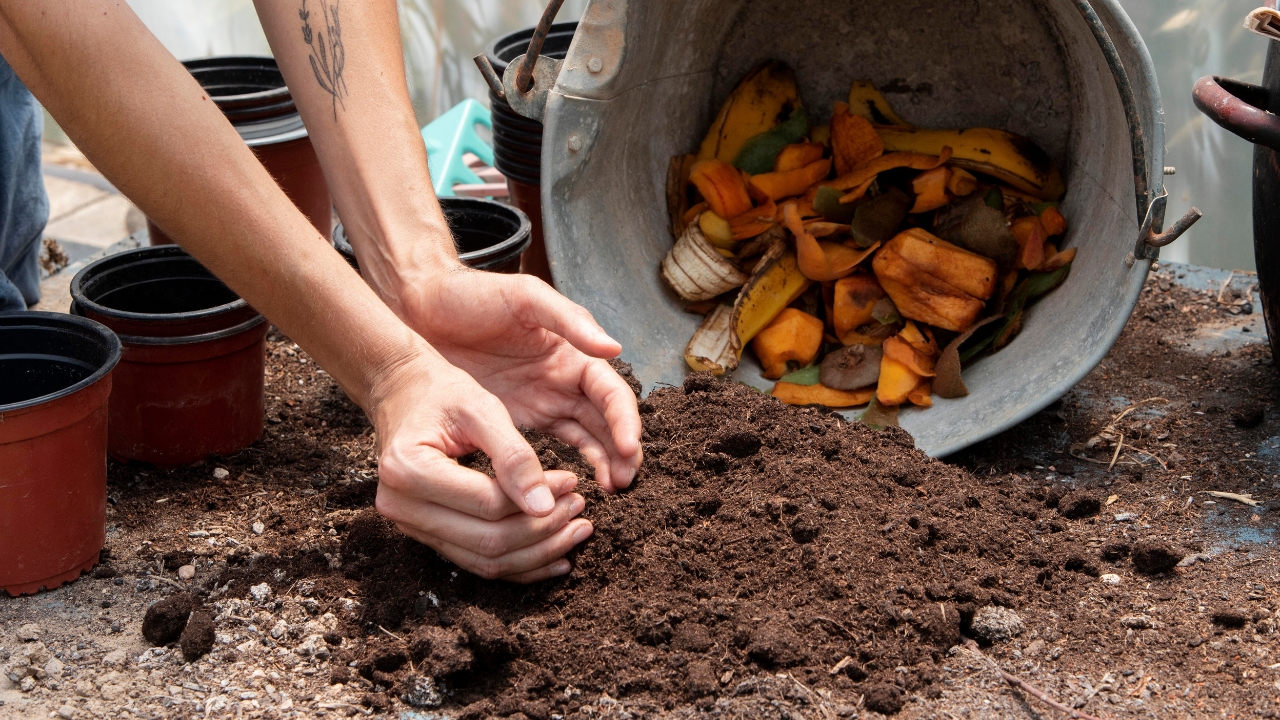
Learning how to compost at home sounds simple until you stand in front of a pile of food scraps and dry leaves wondering what goes where. Many beginners worry about smell, insects, rats, slimy waste, or doing something wrong. That fear is fair. A badly managed compost bin can become unpleasant fast.
But composting itself is not complicated. At its core, it is the natural breakdown of organic materials with help from air, moisture, microbes, and the right balance of dry and fresh materials. Fruit peels, vegetable scraps, coffee grounds, dry leaves, shredded cardboard, and garden trimmings can all become a rich soil amendment instead of going into the trash.
This compost at home guide keeps things practical. You do not need expensive equipment, a huge garden, or perfect science knowledge. You need the right method for your space, enough brown materials, careful food scrap handling, and a basic routine. Once you understand the balance between greens, browns, air, and moisture, composting becomes much easier to manage.
What Composting Means and Why It Matters
Composting is the controlled breakdown of organic material into a dark, crumbly soil amendment. It works best when microbes have oxygen, moisture, carbon-rich browns, and nitrogen-rich greens. In simple words, composting turns waste into something useful for soil.
Food scraps and yard waste do not disappear harmlessly when thrown into a landfill. In many landfill conditions, organic waste breaks down without enough oxygen and can produce methane. Composting keeps some of that organic material in a more useful cycle.
Compost is not a magic plant booster. It does not replace every fertilizer need. But it can improve soil structure, support soil life, help soil hold moisture, and make garden beds healthier over time.
|
Key Point |
Beginner-Friendly Meaning |
|
Composting is controlled decomposition |
Organic materials break down with air, moisture, and microbes |
|
Compost improves soil |
It helps texture, moisture retention, and soil life |
|
It reduces household waste |
Kitchen scraps and yard waste can be reused |
|
It needs balance |
Too many food scraps and not enough dry material can cause smell |
|
It takes time |
Finished compost may take months, depending on the method |
Compost Is Different from Fertilizer
Fertilizer usually gives plants specific nutrients such as nitrogen, phosphorus, and potassium. Compost improves the condition of the soil itself. It helps create a better growing environment, especially when used regularly.
That difference matters because beginners sometimes expect compost to solve every plant problem. It will not always fix nutrient deficiencies quickly. Still, it can make soil healthier and easier to manage in the long run.
Why Food Scraps Should Not Always Go in the Trash
Food waste takes up space in household bins and landfills. When organic waste breaks down without oxygen, it can produce methane. Composting gives those scraps a better job.
At home, even a small compost system can reduce the amount of waste you throw away. For gardeners, the reward is even better because the finished compost can go back into beds, pots, or lawns.
How to Compost at Home Without Overcomplicating It
The easiest way to learn how to compost at home is to start small. Many people fail because they try to build a perfect compost system from day one. You do not need that. A simple bin, a kitchen scrap container, and a steady supply of dry browns are enough for most beginners.
The main rule is balance. Food scraps are usually wet and nitrogen-rich. Dry leaves, shredded cardboard, straw, and paper bags are carbon-rich. If you keep adding food without enough dry material, the pile may smell or attract pests.
A beginner-friendly compost pile should feel damp, not soggy. It should smell earthy, not rotten. If something goes wrong, you usually fix it by adding browns, turning the pile, adjusting moisture, or burying food scraps deeper.
|
Composting Rule |
What to Do |
|
Add more browns than greens |
Use dry leaves, cardboard, straw, or paper |
|
Cover food scraps |
Bury them under dry material |
|
Keep it moist |
Aim for a wrung-out sponge feel |
|
Add air |
Turn or mix when the pile feels compacted |
|
Avoid risky foods |
Skip meat, dairy, grease, and oily cooked food |
Start with a Method That Fits Your Space
A backyard bin is best if you have a small yard. A tumbler may suit patios or people who want a cleaner look. Worm composting can work for apartments if you are willing to manage the bin carefully.
Do not choose a system because it looks popular online. Choose one you can maintain every week.
Keep Browns Nearby from the Start
Dry browns are the beginner’s safety net. They absorb moisture, reduce smell, create air pockets, and cover fresh scraps. Without browns, composting food scraps becomes much harder.
Store dry leaves, shredded cardboard, or torn paper bags in a separate container. Every time you add food scraps, add browns too.
The Four Ingredients Every Compost Pile Needs
A compost pile does not need a fancy recipe, but it does need four things: browns, greens, air, and moisture. When one of these is missing, the pile slows down or starts causing problems.
Browns provide carbon. Greens provide nitrogen. Air keeps the pile from going sour. Moisture helps microbes stay active. The mix does not need to be perfect, but it should be close enough to keep the pile working.
A useful beginner rule is to add about two to three parts browns for every one part greens by volume. This simple ratio prevents many common composting mistakes.
|
Ingredient |
Examples |
Why It Matters |
|
Browns |
Dry leaves, cardboard, straw, paper bags |
Add carbon and reduce smell |
|
Greens |
Fruit scraps, vegetable peels, coffee grounds |
Feed microbes and speed breakdown |
|
Air |
Turning, mixing, bulky twigs |
Prevents sour smells |
|
Moisture |
Water from scraps or light watering |
Keeps decomposition active |
Browns: The Dry Carbon Materials
Browns are dry, carbon-rich materials. They include dry leaves, shredded cardboard, straw, untreated wood chips, small twigs, paper egg cartons, and plain paper bags.
These materials stop the pile from becoming wet and smelly. They also create small air spaces, which help microbes work properly. If your compost smells bad, adding browns is usually the first fix.
Greens: The Fresh Nitrogen Materials
Greens are fresh or moist materials such as fruit peels, vegetable scraps, coffee grounds, tea leaves, fresh grass clippings, and plant trimmings. They break down faster than browns and help the pile become active.
The problem starts when you add too many greens at once. A pile overloaded with food scraps can turn slimy, attract flies, or smell sour. That is why every green layer needs enough browns.
Air and Moisture Keep the Pile Alive
Compost needs oxygen. If the pile becomes compacted or too wet, oxygen drops and bad odors can appear. Turning the pile helps bring air back in.
Moisture matters too. A dry pile breaks down slowly. A wet pile smells. The right texture should feel like a sponge that has been squeezed out.
What You Can Compost at Home
Most beginner compost bins can handle simple plant-based materials. Start with easy items before adding anything questionable. Fruit scraps, vegetable peels, coffee grounds, dry leaves, and shredded cardboard are safe starting points.
Cutting large materials into smaller pieces can speed up breakdown. A whole pumpkin or thick branch will take much longer than chopped scraps or small twigs. Composting is faster when microbes have more surface area to work on.
Do not treat every “natural” item as compost-safe. Some materials are organic but still risky for home bins because they attract pests, smell, or break down too slowly.
|
Material Type |
Good Examples |
Beginner Tip |
|
Fruit scraps |
Peels, cores, rinds |
Cover with browns to avoid flies |
|
Vegetable scraps |
Stems, leaves, peels |
Chop large pieces |
|
Coffee and tea |
Grounds, filters, tea leaves |
Remove staples or plastic tea bags |
|
Yard waste |
Leaves, grass, dead flowers |
Add grass in thin layers |
|
Paper materials |
Cardboard, paper bags, egg cartons |
Avoid glossy or coated paper |
Kitchen Scraps That Work Well
Good beginner kitchen scraps include banana peels, apple cores, carrot tops, potato peels, leafy vegetable ends, coffee grounds, and plain paper coffee filters. Crushed eggshells can also go in, though they break down slowly.
Keep a small lidded container in the kitchen. Empty it often, especially in warm weather. If smell is a problem, freeze scraps until you are ready to add them.
Yard Waste That Helps the Compost Balance
Dry leaves are one of the best compost materials because they balance wet food scraps. Grass clippings also work, but only in thin layers. Thick grass layers can become slimy.
Dead flowers, plant trimmings, old mulch, straw, and small twigs can all help. Avoid diseased plants unless you know your compost pile gets hot enough to handle them safely.
Paper and Cardboard Can Be Useful Browns
Plain cardboard, paper egg cartons, brown paper bags, and non-glossy paper can help when dry leaves are not available. Tear or shred them before adding.
Avoid shiny paper, plastic-coated packaging, colored glossy prints, and anything with unknown chemical coatings. Compost should improve soil, not add contamination.
Read Also: How to Get Rid of Hard Water Stains on Glass Shower Doors
What Not to Compost in a Basic Home Bin
A beginner compost bin should stay simple. Avoid materials that attract pests, create odor, or may not break down safely. The biggest problem items are meat, fish, dairy, grease, oily foods, bones, and pet waste from cats or dogs.
Cooked food can also be risky, especially if it contains oil, salt, dairy, or meat. Some advanced composting systems can handle more materials, but beginners should not start there.
Also be careful with compostable packaging. Many compostable cups, bags, and containers need industrial composting conditions. They may not break down properly in a backyard bin.
|
Avoid This |
Why It Can Cause Problems |
|
Meat and fish |
Attracts pests and smells bad |
|
Dairy |
Can spoil and attract animals |
|
Oily food |
Slows breakdown and causes odor |
|
Cat and dog waste |
Can carry pathogens |
|
Diseased plants |
May spread plant disease |
|
Seeded weeds |
Seeds may survive |
|
Glossy paper |
May contain coatings |
|
Compostable packaging |
Often needs industrial composting |
Why Meat, Dairy, and Grease Are Risky
These materials break down differently from fruit and vegetable scraps. They can smell strong, attract rodents, and make the pile harder to manage. For a beginner, the risk is not worth it.
If your city has a commercial composting program, it may accept some items that home bins should avoid. Always check local rules before adding them.
Why Weeds and Diseased Plants Need Caution
Weeds with mature seeds can survive in cool compost piles. Diseased plants may also survive if the pile does not heat properly. Since many home piles are low-temperature systems, it is safer to keep these materials out.
Hot composting can handle more difficult materials, but it needs more careful temperature and pile management.
Choosing the Best Composting Method for Your Home
There is no single best composting method for everyone. The right choice depends on space, waste volume, climate, pest pressure, and how much effort you want to give. A person with a backyard has different options than someone living in a small apartment.
Backyard bins are common because they are simple. Tumblers are neat and easier to turn. Worm bins work indoors but need more care. Bokashi is useful for sealed food waste collection, but it is not finished compost by itself.
Choose the method you can actually maintain. A basic system used regularly is better than a fancy system you ignore.
|
Method |
Best For |
Main Limitation |
|
Backyard bin |
Homes with yards |
Needs outdoor space |
|
Compost tumbler |
Patios and neat setups |
Can dry out or get too wet |
|
Open pile |
Large yards and yard waste |
Not ideal for food scraps |
|
Worm bin |
Apartments and small spaces |
Needs careful feeding |
|
Bokashi |
Sealed indoor food waste handling |
Needs a second step |
Backyard Compost Bin
A backyard bin is one of the easiest ways to start. It keeps materials contained and can handle kitchen scraps plus yard waste. Choose a spot that drains well and is easy to reach.
A lid helps reduce rainwater and pests. If rodents are common in your area, use a bin with small gaps and a secure base.
Compost Tumbler
A tumbler is useful if you want a cleaner-looking system. It makes turning easier because you rotate the barrel instead of using a fork. This can help people who do not want an open pile.
Tumblers still need browns and moisture control. They are not automatic compost machines. If the mix is wrong, a tumbler can smell just like any other bin.
Worm Composting
Worm composting, also called vermicomposting, uses composting worms to break down food scraps. It can work indoors, on balconies, or in small homes.
The bin needs bedding, moisture, and careful feeding. Too much food can create smell or harm the worms. It is a good option, but it needs attention.
Step-by-Step Beginner Composting Process

Once you choose a method, the setup is simple. The goal is to build a system that is easy to feed, easy to check, and easy to fix. Do not hide the bin in a place you will never visit.
Start with browns, then add greens, then cover with more browns. Keep the pile damp and airy. Watch how it behaves over the next few weeks.
The first month teaches you the most. If the pile smells, it needs browns and air. If it looks dry and unchanged, it needs moisture or greens.
|
Step |
What to Do |
Why It Helps |
|
Choose a location |
Pick a flat, drained, reachable spot |
Makes maintenance easier |
|
Set up scrap storage |
Use a lidded pail or freezer container |
Reduces kitchen smell |
|
Add a brown base |
Start with leaves, twigs, or cardboard |
Improves airflow |
|
Add greens |
Use food scraps and fresh plant waste |
Feeds microbes |
|
Cover scraps |
Add browns on top |
Prevents pests and flies |
|
Check moisture |
Keep it damp, not wet |
Supports breakdown |
|
Turn when needed |
Mix the pile for oxygen |
Speeds decomposition |
Step 1: Pick the Right Location
Choose a flat area with drainage. A spot with partial shade is often useful because it prevents the pile from drying too fast. Keep it close enough that you can use it regularly.
Avoid placing the bin directly against the house. If pests are a concern, use a sealed bin and keep food scraps buried.
Step 2: Build a Brown Base
Start with dry leaves, small twigs, straw, or shredded cardboard. This base layer helps air move through the lower part of the pile.
Do not start with only food scraps. Wet scraps at the bottom can become compacted and sour.
Step 3: Add Greens and Cover Them
Add fruit peels, vegetable scraps, coffee grounds, and other greens. Then cover them with dry browns. This one habit prevents many beginner problems.
Try to keep the rough balance at two to three parts browns for every one part greens. You do not need exact measurements. A visual estimate is fine.
Step 4: Check the Pile Every Week
Open the bin and look, smell, and feel. A good pile should smell earthy. If it smells rotten, add browns and mix. If it looks dry, add water.
A weekly check is enough for most beginners. Compost does not need daily attention.
How Long Compost Takes and How to Know It Is Ready
Compost timing depends on the method. A well-managed pile with enough volume, moisture, greens, browns, and turning can finish in a few months. A slow, low-maintenance pile may take much longer.
Cold composting is easier but slower. Hot composting is faster but needs more attention. Tumblers can be quick when managed well, but they still depend on balance.
Finished compost should look dark, loose, and crumbly. It should smell earthy. You should not see obvious food scraps.
|
Composting Style |
Typical Speed |
Effort Level |
|
Hot composting |
Faster, often a few months |
Higher effort |
|
Cold composting |
Slower, often many months |
Lower effort |
|
Tumbler composting |
Can be faster if balanced |
Medium effort |
|
Worm composting |
Steady processing |
Medium care |
|
Community drop-off |
Depends on service |
Low home effort |
Signs Compost Is Ready
Ready compost looks like dark soil. It should not smell sour, rotten, or like fresh garbage. Most original materials should no longer be recognizable.
If you still see food scraps, let it continue breaking down. You can also sift finished compost and return larger pieces to the bin.
Why Compost Sometimes Takes Longer
Large pieces, too many browns, dry conditions, cold weather, and lack of turning can slow the process. That does not mean the pile has failed. It simply needs time or small adjustments.
Chop tough scraps, add moisture, turn the pile, or add more greens if it seems inactive.
Common Composting Problems and Simple Fixes
Every beginner runs into small compost problems. Smell, fruit flies, slow breakdown, and too much moisture are common. The good news is that most issues are easy to fix.
Do not panic if the pile looks wrong for a week. Composting is forgiving. The pile tells you what it needs if you pay attention.
In most cases, the answer is one of four things: add browns, add moisture, add air, or bury scraps better.
|
Problem |
Likely Cause |
Simple Fix |
|
Bad smell |
Too wet or too many greens |
Add browns and turn |
|
Fruit flies |
Exposed fruit scraps |
Cover scraps with dry material |
|
Slimy pile |
Too much moisture |
Add cardboard, leaves, or straw |
|
Dry pile |
Not enough water |
Add water and mix |
|
Pests |
Wrong foods or exposed scraps |
Remove risky items and bury scraps |
|
Slow breakdown |
Too dry, cold, or large pieces |
Chop, moisten, and turn |
If Your Compost Smells Bad
A bad smell usually means the pile is too wet, too compacted, or overloaded with greens. Add dry leaves, shredded cardboard, or straw. Then mix the pile to bring in oxygen.
Avoid adding more food scraps until the smell improves.
If Pests Are Showing Up
Pests usually appear when food scraps are exposed or when meat, dairy, grease, or cooked food is added. Remove problem materials if you can. Then bury scraps deep and cover them with browns.
A secure bin also helps if rodents are common near your home.
If the Compost Is Not Breaking Down
A dry or inactive pile needs help. Add water until it feels damp. Add fresh greens if it contains mostly dry leaves. Turn it to mix everything.
Patience matters too. Composting slows in cold weather and speeds up in warm, active conditions.
How to Compost at Home in an Apartment or Small Space
You can compost without a backyard. Apartment composting simply needs a better plan for storage, smell control, and finished material. The best option depends on your building rules and local services.
Some people use worm bins. Others collect scraps in the freezer and take them to a drop-off site. Bokashi buckets can also help people store food scraps indoors with less odor.
The main point is to choose a system that matches your lifestyle. A small, clean routine beats a complicated setup that becomes stressful.
|
Small-Space Option |
Best For |
Key Reminder |
|
Worm bin |
Indoor food scrap composting |
Do not overfeed worms |
|
Freezer storage |
Renters and busy households |
Needs drop-off access |
|
Balcony tumbler |
Apartments with outdoor space |
Check building rules |
|
Bokashi bucket |
Sealed indoor collection |
Needs further processing |
|
Community compost |
No home setup needed |
Depends on local access |
Worm Bins for Apartments
A worm bin can process fruit and vegetable scraps in a small space. The worms need bedding, moisture, airflow, and moderate feeding. Too much food can create odor.
Keep the bin away from extreme heat or cold. Start slowly and increase scraps only when the worms are handling them well.
Freezer Storage and Drop-Off Composting
This is one of the easiest options for renters. Keep scraps in a container or bag in the freezer. When it fills, take it to a community garden, farmers market program, or municipal compost site if available.
It gives you the waste-reduction benefit without managing a full compost system at home.
Balcony Composting
A small tumbler or sealed bin may work on a balcony if your building allows it. Keep the system balanced and protected from heavy rain or harsh sun.
Do not let liquids leak. Also avoid adding risky foods that may attract pests.
How to Use Finished Compost Safely
Finished compost is useful, but it should be used properly. It works best as a soil amendment, not as the only growing medium. Most plants still need a balanced growing environment.
You can mix compost into garden beds, spread it around plants, use it in raised beds, or apply a thin layer over lawns. Avoid piling compost against plant stems or tree trunks.
If the compost is unfinished, let it cure longer. Unfinished compost may continue breaking down and can stress young plants.
|
Use Case |
How to Apply |
Beginner Tip |
|
Garden beds |
Mix into topsoil |
Use before planting |
|
Raised beds |
Blend with soil or potting mix |
Do not use pure compost only |
|
Trees and shrubs |
Spread around root zone |
Keep away from trunks |
|
Containers |
Mix lightly with potting mix |
Avoid heavy amounts |
|
Lawns |
Apply a thin layer |
Do not smother grass |
Using Compost in Garden Beds
Spread compost over the bed and mix it into the top few inches of soil. This helps improve soil texture and organic matter.
For vegetable gardens, add compost before planting or between growing seasons.
Using Compost in Pots and Raised Beds
Compost can improve container mixes, but too much can make the mix heavy. Blend it with potting mix, soil, or other growing materials.
For raised beds, compost works well as part of a broader soil mix.
Using Compost Around Trees and Shrubs
Apply compost around the root zone, but keep it away from trunks and stems. A thin, even layer is better than a thick pile.
This helps protect roots and improve soil slowly over time.
Beginner Composting Mistakes to Avoid
Most composting mistakes come from rushing, guessing, or adding the wrong materials. Beginners often add too many food scraps and not enough browns. That is the classic recipe for smell.
Another mistake is expecting finished compost too quickly. A pile may need months, especially if it is small, dry, cold, or rarely turned.
The best approach is steady and simple. Feed the pile, cover scraps, check moisture, and fix issues early.
|
Mistake |
Why It Matters |
Better Habit |
|
Too many greens |
Causes odor and slime |
Add more browns |
|
Exposed food scraps |
Attracts flies and pests |
Bury scraps |
|
Too much water |
Reduces oxygen |
Add dry materials |
|
No turning |
Slows breakdown |
Mix when needed |
|
Wrong foods |
Attracts rodents |
Avoid meat, dairy, and grease |
|
No brown storage |
Makes balance harder |
Save leaves and cardboard |
Adding Food Scraps Without Browns
This is the most common beginner error. Food scraps alone are too wet and dense. They need dry carbon materials to balance them.
Keep a bag of shredded cardboard or leaves near the bin. Use it every time.
Ignoring Moisture and Air
A compost pile is alive with microbial activity. If it dries out, activity slows. If it becomes soaked, oxygen drops.
Check moisture weekly. Turn the pile when it smells, looks compacted, or breaks down too slowly.
Using Unfinished Compost Too Soon
Unfinished compost may still contain recognizable scraps and active decomposition. It can heat, smell, or compete with plants for oxygen and nutrients near roots.
Let compost cure until it looks dark, crumbly, and stable.
Simple Weekly Composting Routine for Beginners
A weekly routine keeps composting easy. You do not need to check the pile every day. A short weekly habit is enough for most home systems.
Empty your kitchen pail, add browns, cover scraps, check moisture, and turn if needed. That is the core routine.
This is also where a beginner becomes more confident. After a few weeks, you will understand how your own compost system behaves.
|
Weekly Task |
Time Needed |
Why It Helps |
|
Empty kitchen scraps |
2-5 minutes |
Prevents indoor smell |
|
Add browns |
1-2 minutes |
Balances moisture |
|
Cover scraps |
1 minute |
Reduces pests |
|
Check moisture |
1 minute |
Keeps microbes active |
|
Turn if needed |
5-10 minutes |
Adds oxygen |
A Simple Five-Minute Check
Open the bin and ask three questions. Does it smell earthy? Does it feel damp? Are food scraps covered?
If the answer is yes, leave it alone. If something seems off, adjust it before the problem grows.
What to Do After Heavy Rain or Heat
After heavy rain, add dry browns and mix. After hot, dry weather, check moisture and add water if needed.
Weather changes can affect compost quickly, especially in small bins or tumblers.
Takeaways: Start Small and Learn the Pile
The best way to learn how to compost at home is to begin with a simple system and adjust as you go. You do not need perfect ratios, special tools, or a large garden. You need a steady supply of browns, careful food scrap handling, moisture control, and patience.
Start with easy materials: fruit scraps, vegetable peels, coffee grounds, dry leaves, and shredded cardboard. Avoid meat, dairy, grease, pet waste, and glossy packaging. Cover food scraps every time. Check the pile once a week.
Composting becomes easier when you stop treating it like a test. The pile will show you what it needs. If it smells, add browns and air. If it is dry, add water. If it attracts pests, bury scraps and remove risky foods.
A beginner compost system does not have to be perfect. It just has to be balanced enough to keep working.
Frequently Asked Questions About How to Compost at Home
Can I Compost at Home If I Do Not Have a Backyard?
Yes. You can use a worm bin, bokashi bucket, balcony tumbler, freezer storage, or local compost drop-off service. The best choice depends on your space and building rules.
Can I Put Moldy Food in Compost?
Small amounts of moldy fruits and vegetables are usually fine in a backyard compost pile. Bury them well and cover them with browns. Avoid moldy meat, dairy, oily food, or cooked meals.
Do I Need a Compost Starter?
Usually, no. Compost forms naturally when organic materials, air, and moisture are present. Finished compost or garden soil can add microbes, but it is not required.
Can I Compost Citrus Peels and Onion Scraps?
Yes, in moderate amounts. Citrus and onion scraps break down more slowly and may be strong-smelling if added in large amounts. Chop them and cover them with browns.
Why Is My Compost Full of Ants?
Ants often show up when the pile is too dry. Add water, mix the pile, and cover fresh scraps. A slightly damp pile is less attractive to ants.
Can I Compost During Winter?
Yes, but the process slows down in cold weather. Keep adding materials if the bin has space. Decomposition will speed up again when temperatures rise.
Should a Compost Bin Be in Sun or Shade?
Partial shade is usually a good choice. Full sun can dry the pile quickly, while deep shade may keep it too cool and damp. The best spot is easy to reach and drains well.
Can I Use Compost for Indoor Plants?
Yes, but use finished compost in small amounts and mix it with potting mix. Do not use unfinished compost indoors because it may smell or attract insects.