
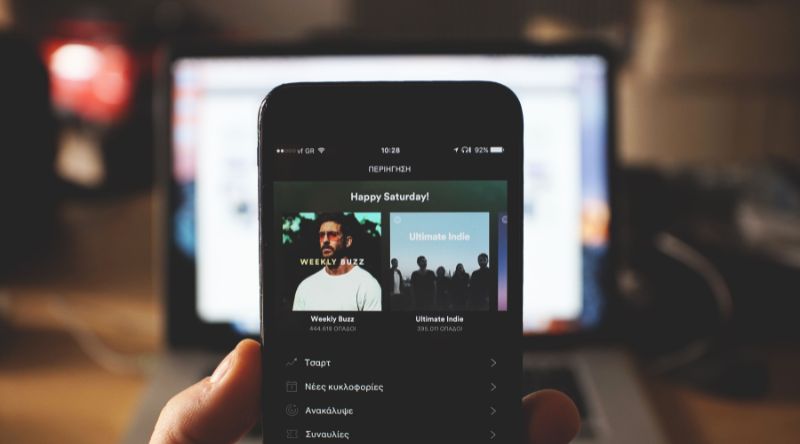
Every December, social media feeds undergo an aggressive, neon-drenched transformation. Twitter, Instagram, and TikTok suddenly become dominated by colorful, vertical charts detailing exactly how many minutes people spent listening to niche indie pop or obscure podcasts. This annual digital phenomenon is Spotify Wrapped, a brilliant masterclass in user data activation that has completely rewritten the playbook for modern brand promotion. By packaging mundane user tracking into highly customized, aesthetically pleasing status symbols, the streaming giant managed to achieve something most brands only dream of: turning consumers into enthusiastic billboard advertisements.
This shifts the entire philosophy of digital promotion from passive consumption to active, identity-driven sharing. This article breaks down exactly how Spotify Wrapped changed music marketing forever, analyzing the structural pillars behind its historic virality and showing how data storytelling became a permanent cultural asset.
Why This Topic Matters
Before Spotify Wrapped launched under its current moniker in 2016, user data was generally viewed as a silent background mechanism. Tech companies harvested it to improve backend machine learning algorithms or targeted advertising models, but they rarely showed it directly back to the user in a creative format. Spotify realized that our personal media habits are deeply tied to our personal identities.
By turning listening histories into shareable personal narratives, Spotify proved that data could be a powerful emotional hook. Today, the campaign functions as an organic user acquisition engine that adds millions of subscribers and generates massive cultural FOMO (fear of missing out) for anyone left outside the platform ecosystem.
|
Core Marketing Element |
Traditional Strategy |
Post-Wrapped Strategy |
|
Data Usage |
Internal optimization, targeted advertisements |
Personalized storytelling, consumer assets |
|
User Growth |
Paid ad acquisition campaigns |
Organic viral loops driven by consumer sharing |
|
Brand Promotion |
Push notifications, corporate announcements |
Identity expression, social capital building |
Top 6 Ways Wrapped Transformed the Industry
Item #1: Weaponizing User Data Into Social Capital
Spotify took raw backend data logs and turned them into individual badges of identity that users couldn’t wait to show off. Instead of treating tracking as a privacy concern, they framed it as a reflective mirror of the user’s personality.
The real genius here lies in social validation. When a user shares that they are in the top 0.05% of Taylor Swift listeners, they aren’t just sharing a statistic; they are asserting their identity as a super-fan to their social circles. This social validation turns standard consumers into direct brand advocates.
|
Impact Area |
Key Dynamic |
Outcome |
|
User Behavior |
Publicly bragging about specific music tastes |
High organic social media engagement |
|
Brand Asset |
Free, user-generated promotional loops |
Billions of views across multiple networks |
Item #2: Creating a Scheduled Cultural Event
Instead of dripping data insights all year round, Spotify compresses the entire experience into a single, high-impact winter launch window. This creates an intense seasonal moment of hyper-focused cultural discussion.
Because the rollout happens globally at the exact same moment, it completely commands the internet’s attention span for days at a time. Competitors are left scrambling in the background as the entire digital conversation centers firmly around one specific music platform.
|
Timing Element |
Strategic Choice |
Result |
|
Frequency |
Once per year (Late November / Early December) |
High anticipatory buildup and FOMO |
|
Distribution |
Simultaneous global app notification push |
Instant saturation of social feeds |
Item #3: The Gamification of Music Streaming
By assigning percentiles, listener categories, and personalized digital badges, Spotify gamified the everyday act of listening to music. Users actively change how they stream toward the end of the tracking window to shape their upcoming results.
This gamification pushes users to stream more minutes, explore diverse genres, and dive deeper into specific artist catalogs. It turns a casual background utility app into a competitive interactive experience.
[Casual Daily Listening] ➔ [Percentile & Badge Tracking] ➔ [Modified Streaming Habits] ➔ [Optimized Wrapped Cards]
|
Gamified Metric |
Psychological Trigger |
Business Value |
|
Minutes Listened |
Desire for high scores/productivity metrics |
Increased platform usage time |
|
Top 0.5% Status |
Elitism, subculture community validation |
Deepened artist affinity and app retention |
Item #4: Direct Artist-to-Fan Marketing Loops
The campaign doesn’t stop on the consumer side; Spotify for Artists gives creators their own tailored data summaries to share with audiences. This creates a massive secondary marketing wave driven by musicians themselves.
Artists openly thank their fanbases using these graphics, highlighting their total stream counts and global listener hours. This validates the audience’s effort, strengthens communities, and keeps both parties locked directly inside the Spotify ecosystem.
|
Participant |
Sharing Incentive |
Marketing Benefit |
|
Independent Creators |
Professional social proof, career validation |
Free promotion to new music audiences |
|
Major Artists |
Direct fan appreciation, milestone celebrations |
Re-engagement of legacy listener catalogs |
Item #5: Masterclass in Mobile-First UI Design
The layout of Wrapped relies heavily on vertical, tap-through stories pioneered by Snapchat and Instagram. This specific visual architecture makes the data incredibly frictionless to navigate and distribute on mobile networks.
Every single slide is optimized to be screenshotted or natively exported with a single tap. The bold color palettes change drastically every year, preventing the aesthetic from feeling stale or repetitive.
|
Design Choice |
Functional Purpose |
Social Impact |
|
Vertical Format |
Perfect alignment with modern smartphone viewports |
Natural fit for Instagram/TikTok Stories |
|
One-Tap Export |
Eliminates manual downloading friction |
Encourages immediate viral sharing loops |
Item #6: Generating Unmatched Platform FOMO
When millions of users post their neon listening cards simultaneously, non-users are completely left out of the cultural conversation. This creates an organic, highly effective customer acquisition engine.
Competing applications often struggle to match this level of cultural integration, leading to a noticeable spike in app store downloads for Spotify every December. The campaign serves as an annual reminder of exactly why you should belong to the dominant audio ecosystem.
|
Competitor Position |
Spotify Position |
Market Reality |
|
Functional music utility |
Cultural community identity space |
High switching costs for users changing platforms |
How Spotify Wrapped Changed Music Marketing Forever
The core shifts can be distilled into three fundamental structural changes:
- From Internal Data to Consumer Facing Assets: Data is no longer just something brands hide in backend analytical dashboards. It is now treated as a valuable personalized gift given back to the user.
- From Paid Ads to User-Driven Virality: Instead of spending millions on direct digital banner placement, brands build experiential templates that encourage consumers to market the platform themselves.
- From Audio Utility to Identity Lifestyle: Music streaming has evolved far past a simple directory of sound files; it now serves as a dynamic, interactive space where consumers build, track, and project their personal identities.
Common FAQs About Wrapped and Music Marketing
Why do some users find their Wrapped data inaccurate?
Tracking generally pauses around mid-November each year to allow for backend processing, quality assurance checks, and design finalization. Any heavy streaming during late November or December is completely excluded, which sometimes skews the final results.
Do artists get paid extra during the Wrapped promotional season?
No, standard streaming royalty distribution rates remain completely unchanged. However, the massive spike in seasonal platform engagement and social media resharing frequently drives significant secondary revenue through increased merchandise sales and concert ticket bookings.
Can users opt-out of data tracking for the campaign?
Users can toggle off specific tracking metrics or use private listening sessions throughout the year. However, doing so will directly limit the depth, accuracy, and overall variety of metrics available in their final December summary.
Conclusion
The modern digital landscape moves fast, but how Spotify Wrapped changed music marketing forever remains a defining case study in effective consumer engagement. By treating tracking metrics as components of human identity rather than sterile corporate numbers, Spotify constructed a self-sustaining viral machine that completely dominates cultural circles year after year.
For modern businesses looking to capture consumer attention, the takeaway is clear: stop telling people who you are, and start building digital experiences that show them exactly who they are.
Every December, social media feeds undergo an aggressive, neon-drenched transformation. Twitter, Instagram, and TikTok suddenly become dominated by colorful, vertical charts detailing exactly how many minutes people spent listening to niche indie pop or obscure podcasts. This annual digital phenomenon is Spotify Wrapped, a brilliant masterclass in user data activation that has completely rewritten the playbook for modern brand promotion. By packaging mundane user tracking into highly customized, aesthetically pleasing status symbols, the streaming giant managed to achieve something most brands only dream of: turning consumers into enthusiastic billboard advertisements.
This shifts the entire philosophy of digital promotion from passive consumption to active, identity-driven sharing. This article breaks down exactly how Spotify Wrapped changed music marketing forever, analyzing the structural pillars behind its historic virality and showing how data storytelling became a permanent cultural asset.
Why This Topic Matters
Before Spotify Wrapped launched under its current moniker in 2016, user data was generally viewed as a silent background mechanism. Tech companies harvested it to improve backend machine learning algorithms or targeted advertising models, but they rarely showed it directly back to the user in a creative format. Spotify realized that our personal media habits are deeply tied to our personal identities.
By turning listening histories into shareable personal narratives, Spotify proved that data could be a powerful emotional hook. Today, the campaign functions as an organic user acquisition engine that adds millions of subscribers and generates massive cultural FOMO (fear of missing out) for anyone left outside the platform ecosystem.
|
Core Marketing Element |
Traditional Strategy |
Post-Wrapped Strategy |
|
Data Usage |
Internal optimization, targeted advertisements |
Personalized storytelling, consumer assets |
|
User Growth |
Paid ad acquisition campaigns |
Organic viral loops driven by consumer sharing |
|
Brand Promotion |
Push notifications, corporate announcements |
Identity expression, social capital building |
Top 6 Ways Wrapped Transformed the Industry
Item #1: Weaponizing User Data Into Social Capital
Spotify took raw backend data logs and turned them into individual badges of identity that users couldn’t wait to show off. Instead of treating tracking as a privacy concern, they framed it as a reflective mirror of the user’s personality.
The real genius here lies in social validation. When a user shares that they are in the top 0.05% of Taylor Swift listeners, they aren’t just sharing a statistic; they are asserting their identity as a super-fan to their social circles. This social validation turns standard consumers into direct brand advocates.
|
Impact Area |
Key Dynamic |
Outcome |
|
User Behavior |
Publicly bragging about specific music tastes |
High organic social media engagement |
|
Brand Asset |
Free, user-generated promotional loops |
Billions of views across multiple networks |
Item #2: Creating a Scheduled Cultural Event
Instead of dripping data insights all year round, Spotify compresses the entire experience into a single, high-impact winter launch window. This creates an intense seasonal moment of hyper-focused cultural discussion.
Because the rollout happens globally at the exact same moment, it completely commands the internet’s attention span for days at a time. Competitors are left scrambling in the background as the entire digital conversation centers firmly around one specific music platform.
|
Timing Element |
Strategic Choice |
Result |
|
Frequency |
Once per year (Late November / Early December) |
High anticipatory buildup and FOMO |
|
Distribution |
Simultaneous global app notification push |
Instant saturation of social feeds |
Item #3: The Gamification of Music Streaming
By assigning percentiles, listener categories, and personalized digital badges, Spotify gamified the everyday act of listening to music. Users actively change how they stream toward the end of the tracking window to shape their upcoming results.
This gamification pushes users to stream more minutes, explore diverse genres, and dive deeper into specific artist catalogs. It turns a casual background utility app into a competitive interactive experience.
[Casual Daily Listening] ➔ [Percentile & Badge Tracking] ➔ [Modified Streaming Habits] ➔ [Optimized Wrapped Cards]
|
Gamified Metric |
Psychological Trigger |
Business Value |
|
Minutes Listened |
Desire for high scores/productivity metrics |
Increased platform usage time |
|
Top 0.5% Status |
Elitism, subculture community validation |
Deepened artist affinity and app retention |
Item #4: Direct Artist-to-Fan Marketing Loops
The campaign doesn’t stop on the consumer side; Spotify for Artists gives creators their own tailored data summaries to share with audiences. This creates a massive secondary marketing wave driven by musicians themselves.
Artists openly thank their fanbases using these graphics, highlighting their total stream counts and global listener hours. This validates the audience’s effort, strengthens communities, and keeps both parties locked directly inside the Spotify ecosystem.
|
Participant |
Sharing Incentive |
Marketing Benefit |
|
Independent Creators |
Professional social proof, career validation |
Free promotion to new music audiences |
|
Major Artists |
Direct fan appreciation, milestone celebrations |
Re-engagement of legacy listener catalogs |
Item #5: Masterclass in Mobile-First UI Design
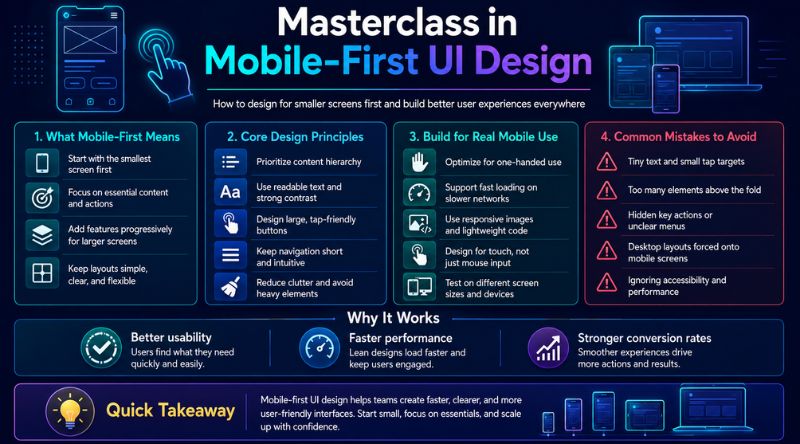
The layout of Wrapped relies heavily on vertical, tap-through stories pioneered by Snapchat and Instagram. This specific visual architecture makes the data incredibly frictionless to navigate and distribute on mobile networks.
Every single slide is optimized to be screenshotted or natively exported with a single tap. The bold color palettes change drastically every year, preventing the aesthetic from feeling stale or repetitive.
|
Design Choice |
Functional Purpose |
Social Impact |
|
Vertical Format |
Perfect alignment with modern smartphone viewports |
Natural fit for Instagram/TikTok Stories |
|
One-Tap Export |
Eliminates manual downloading friction |
Encourages immediate viral sharing loops |
Item #6: Generating Unmatched Platform FOMO
When millions of users post their neon listening cards simultaneously, non-users are completely left out of the cultural conversation. This creates an organic, highly effective customer acquisition engine.
Competing applications often struggle to match this level of cultural integration, leading to a noticeable spike in app store downloads for Spotify every December. The campaign serves as an annual reminder of exactly why you should belong to the dominant audio ecosystem.
|
Competitor Position |
Spotify Position |
Market Reality |
|
Functional music utility |
Cultural community identity space |
High switching costs for users changing platforms |
How Spotify Wrapped Changed Music Marketing Forever
The core shifts can be distilled into three fundamental structural changes:
- From Internal Data to Consumer Facing Assets: Data is no longer just something brands hide in backend analytical dashboards. It is now treated as a valuable personalized gift given back to the user.
- From Paid Ads to User-Driven Virality: Instead of spending millions on direct digital banner placement, brands build experiential templates that encourage consumers to market the platform themselves.
- From Audio Utility to Identity Lifestyle: Music streaming has evolved far past a simple directory of sound files; it now serves as a dynamic, interactive space where consumers build, track, and project their personal identities.
Common FAQs About Wrapped and Music Marketing
Why do some users find their Wrapped data inaccurate?
Tracking generally pauses around mid-November each year to allow for backend processing, quality assurance checks, and design finalization. Any heavy streaming during late November or December is completely excluded, which sometimes skews the final results.
Do artists get paid extra during the Wrapped promotional season?
No, standard streaming royalty distribution rates remain completely unchanged. However, the massive spike in seasonal platform engagement and social media resharing frequently drives significant secondary revenue through increased merchandise sales and concert ticket bookings.
Can users opt-out of data tracking for the campaign?
Users can toggle off specific tracking metrics or use private listening sessions throughout the year. However, doing so will directly limit the depth, accuracy, and overall variety of metrics available in their final December summary.
Conclusion
The modern digital landscape moves fast, but how Spotify Wrapped changed music marketing forever remains a defining case study in effective consumer engagement. By treating tracking metrics as components of human identity rather than sterile corporate numbers, Spotify constructed a self-sustaining viral machine that completely dominates cultural circles year after year.
For modern businesses looking to capture consumer attention, the takeaway is clear: stop telling people who you are, and start building digital experiences that show them exactly who they are.