
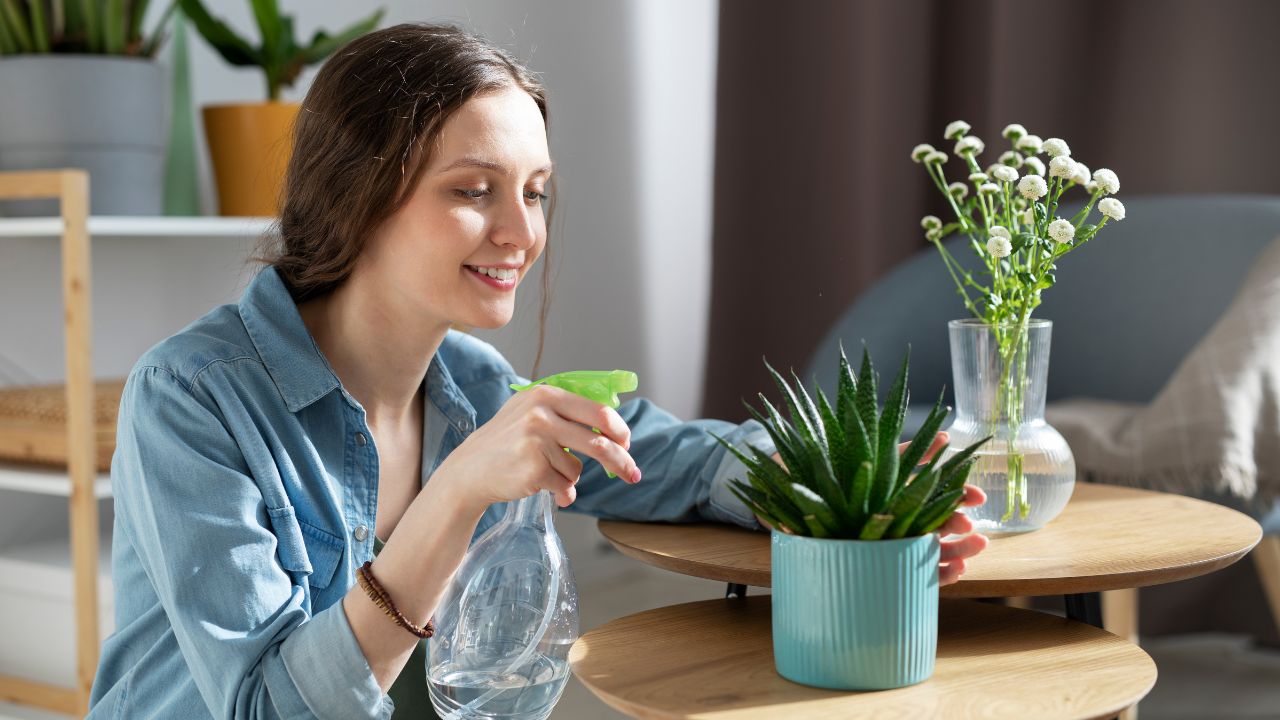
Have you ever walked into a house that smells amazing and instantly felt your shoulders drop? I certainly have. Scent sets the tone for your entire living space. But right now, we are all much more aware of what we breathe into our lungs daily. Plugging in a synthetic air freshener or spraying heavy aerosols just does not cut it anymore for health-conscious individuals.
If you want to know how to make your home smell good naturally, you are in the exact right place to start your journey. We will explore the massive shift toward healthier, cleaner fragrance habits that actually elevate your mood rather than just masking foul odors with harsh chemicals.
The Shift Towards Natural and Clean Home Fragrances
In 2026, the way we approach interior scenting has changed completely. People no longer want overpowering, artificial perfumes suffocating their living rooms. We are moving heavily toward a design trend known as clean-core, which focuses on breathable, subtle, and highly intentional scents. Homeowners now prioritize indoor air quality and look for fragrances that act as an invisible, calming background element. This approach creates a quiet luxury vibe that feels incredibly effortless and polished.
|
Trend Name |
Scent Profile |
Mood Created |
Why It Works in 2026 |
|
Clean-Core |
Fresh linen, soft cotton, marine water |
Minimalist, organized, calm |
Feels unpretentious and highly breathable |
|
Quiet Luxury |
White tea, bergamot, smooth sandalwood |
Expensive, curated, sophisticated |
Replaces overpowering, cheap synthetic smells |
|
Aquatic Escapes |
Sea salt, cucumber, green fig leaf |
Energizing, open, expansive |
Brings the feeling of outdoor nature inside |
Why 2026 is the Year of Quiet Luxury and Clean-Core
The clean-core aesthetic is all about dialing back the intensity of your environment. I have noticed that heavy vanilla or thick pine scents often feel exhausting on the nose, especially when the weather warms up or when you live in a smaller apartment. Today, the focus is entirely on light citrus, soft florals, white tea, and marine accords. These specific scent profiles make a room feel beautifully polished without trying too hard or giving your guests a headache. Master perfumers and interior designers agree that your home fragrance should mimic the sparkling freshness of sea spray or the zest of a freshly peeled mandarin. It is about capturing a feeling of domestic bliss and absolute safety.
The Invisible Problem: Why Ditch Synthetic Air Fresheners?
You might love the convenience of a wall plug-in, but there is an invisible trade-off you need to know about. Synthetic room sprays and cheap candles release harmful particles into your indoor air on a daily basis. While they mask bad smells temporarily, they often add pollutants to your environment, making your indoor air quality worse than the air outside. Understanding what goes into these commercial products is the absolute first step to creating a healthier home.
|
Product Type |
Common Harmful Ingredients |
Negative Side Effects |
Natural Alternative |
|
Aerosol Sprays |
Phthalates, synthetic VOCs |
Headaches, respiratory irritation |
DIY water and essential oil room mists |
|
Plug-in Fresheners |
Formaldehyde-releasing agents |
Hormone disruption, indoor smog |
Waterless nebulizing diffusers |
|
Paraffin Candles |
Lead-core wicks, petroleum wax |
Soot buildup, ultrafine particles |
100 percent pure beeswax candles |
Understanding VOCs and Indoor Air Pollution
Volatile organic compounds, or VOCs, are gases emitted from certain liquids and solids inside your house. Many synthetic fragrances contain phthalates and other synthetic chemicals that act as known endocrine disruptors to make the scent last longer in the air. When you burn a traditional paraffin wax candle, you release black soot and ultrafine particulate matter right into your living room where your family sleeps and breathes. Even natural scents have VOCs, but the synthetic versions react directly with indoor ozone to form dangerous secondary pollutants like formaldehyde. This is exactly why finding out how to make your home smell good naturally is a serious health decision, not just a fun design choice for the weekend.
Step 1: Eliminate Odors at the Source Before Adding Scent
The biggest mistake I see people make is trying to cover up a bad smell with a good one. Layering a heavy floral perfume over a musty carpet or a smelly pet bed just creates a confusing, nauseating combination. You have to eliminate the bad odors at their actual source before you do anything else to the room. This means getting down to the root of the problem, whether it is trapped moisture, dirty laundry, or old food in the garbage disposal.
|
Odor Source |
Quick Fix Method |
Preventive Action |
|
Musty Carpets |
Sprinkle baking soda, let sit, vacuum |
Use a dehumidifier in damp rooms |
|
Garbage Disposal |
Grind ice cubes and lemon peels |
Run hot water and dish soap daily |
|
Trash Cans |
Wash bin with hot soapy water |
Place dry baking soda at the bottom |
|
Pet Bedding |
Machine wash with unscented detergent |
Sun-dry beds to kill lingering bacteria |
Deep Cleaning and Managing Moisture
Moisture is the absolute worst enemy of a fresh-smelling house. Damp laundry left sitting in the washing machine, leaking sink pipes, and wet bathroom rugs breed mold and mildew incredibly fast. Musty smells are almost always tied directly to excess water somewhere in your house. Keep your home dry and perfectly ventilated. I highly recommend opening your windows for at least ten minutes every single morning, regardless of the weather outside. This simple daily habit dilutes indoor pollutants and lets stale, damp air escape, giving your natural fragrances a much better canvas to work on.
Read Also: 12 Closet Organization Hacks That Actually Save Space
You do not need an expensive chemical spray to neutralize the air in your house. Look inside your kitchen pantry instead for the best solutions. Baking soda is an incredible natural odor absorber that costs almost nothing. I keep small, open glass jars of baking soda in the back of my fridge, at the very bottom of my trash cans, and tucked into the dark corners of my closets. White vinegar is another absolute powerhouse. If you cook fish or heavy garlic, wiping down your countertops with a diluted white vinegar solution strips the lingering smells away instantly. The sharp vinegar scent completely disappears in a few minutes, leaving nothing but clean air behind.
Step 2: Embrace Simmer Pots (Stovetop Potpourri)
If you want a nostalgic, incredibly effective way to scent your home without spending much money, you need to try a simmer pot. It requires zero synthetic chemicals and uses raw ingredients you probably already have sitting in your kitchen fruit bowl. Simmer pots gently heat water, fresh fruits, and raw herbs, releasing their natural essential oils directly into the steam. The beautiful scent carries smoothly through the entire house and lasts for hours on end.
|
Season |
Best Simmer Pot Ingredients |
Vibe and Atmosphere |
|
Spring |
Lemon slices, fresh mint, cucumber |
Crisp, awakening, clean |
|
Summer |
Grapefruit, rosemary, vanilla extract |
Sunny, uplifting, aquatic |
|
Autumn |
Apple slices, cinnamon sticks, cloves |
Warm, cozy, nostalgic |
|
Winter |
Orange peels, pine needles, star anise |
Festive, grounded, comforting |
How to Build the Perfect Spring and Summer Simmer Pot
During the warmer months of the year, heavy spices feel completely out of place in your house. You want your space to feel airy, light, and completely refreshed. Fill a small saucepan with fresh water and add a few slices of raw lemon or bright grapefruit. Toss in a couple of sprigs of fresh rosemary or green mint leaves from the garden. Bring the water to a gentle boil on the stove, then turn the heat all the way down to a slow simmer. The bright citrus mixed with the earthy green herbs creates a stunning spa-like atmosphere. You can even add cucumber peels for a really fresh, aquatic vibe that cools down the whole room.
Cozy Fall and Winter Simmer Pot Recipes
When the temperature drops outside, you want your home to feel warm, safe, and inviting. This is when you bring out the heavy hitters from your spice cabinet. Sliced red apples, thick orange rinds, whole cinnamon sticks, dry cloves, and beautiful star anise make the ultimate winter fragrance blend. I usually use a small, cheap slow cooker for this exact purpose instead of my stove. Just fill the pot with water, add all your raw ingredients, leave the glass lid off, and let it run on the low setting all day long. Just remember to keep an eye on the water level so the pot never burns dry.
Step 3: Use Essential Oils and Waterless Diffusers
Essential oils are the absolute gold standard for natural home scenting and aromatherapy. They are highly concentrated plant extracts that pack a serious punch when used correctly. However, the way we diffuse them has changed significantly over the last few years. In 2026, we are moving entirely away from messy water diffusers and heading towards much cleaner, safer technology.
|
Diffuser Type |
How It Works |
Pros and Cons |
|
Ultrasonic |
Uses water vibrations to create mist |
Adds humidity, requires frequent cleaning |
|
Nebulizing |
Uses pressurized air to atomize pure oil |
Very strong scent, uses more oil, no mold risk |
|
Reed Diffuser |
Rattan sticks pull oil into the air |
Passive, zero electricity, subtle background scent |
The Rise of Waterless Diffusion in 2026
Traditional ultrasonic diffusers require a lot of water, which adds unwanted humidity to a room and requires constant scrubbing to stop dangerous mold growth inside the tank. The current design trend has shifted heavily to waterless, or nebulizing, diffusers. These modern gadgets use pressurized air to atomize pure essential oils into microscopic droplets. You get a much stronger, purer scent profile without dampening your wooden furniture or breathing in accidental mold spores. Just remember that pure essential oils are highly potent. Always ensure your living space has good airflow, and carefully research which plant oils are toxic to your cats or dogs before you turn the machine on.
Best Essential Oil Blends for Every Room
You should not use the exact same scent in every single room of your house. Your brain reacts very differently to different smells, so match the fragrance perfectly to the room’s actual purpose.
Living Room: Bright Citrus and White Tea
Your living room is a shared space for family and guests, so the scent needs to be welcoming, polite, and universally pleasant. Hotel-inspired luxury blends work perfectly in this area. Try mixing sweet orange essential oil with a drop of bergamot and a little white tea extract. It feels sunny, bright, and very polished without overwhelming anyone sitting on the couch.
Bedroom: Lavender and Sandalwood
Your bedroom must act as a personal sanctuary. You want specific scents that trigger your brain to shut down and relax. Lavender is the classic choice for sleep, but it can smell a little too powdery on its own. I highly recommend blending it with a smooth wood note like sandalwood or vetiver. This grounds the floating scent, creating a quiet, zen-like mood that helps you fall asleep faster.
Home Office: Peppermint and Rosemary
When you are working from home, you need mental focus and sharp energy. Soft floral scents will just make you feel sleepy at your desk. Peppermint oil provides an instant hit of clarity and wakes your brain right up. Mixing it with pure rosemary oil, which is historically known to boost memory and concentration, creates the perfect environment to fight off the terrible afternoon slump.
Step 4: Choose the Right Natural Candles
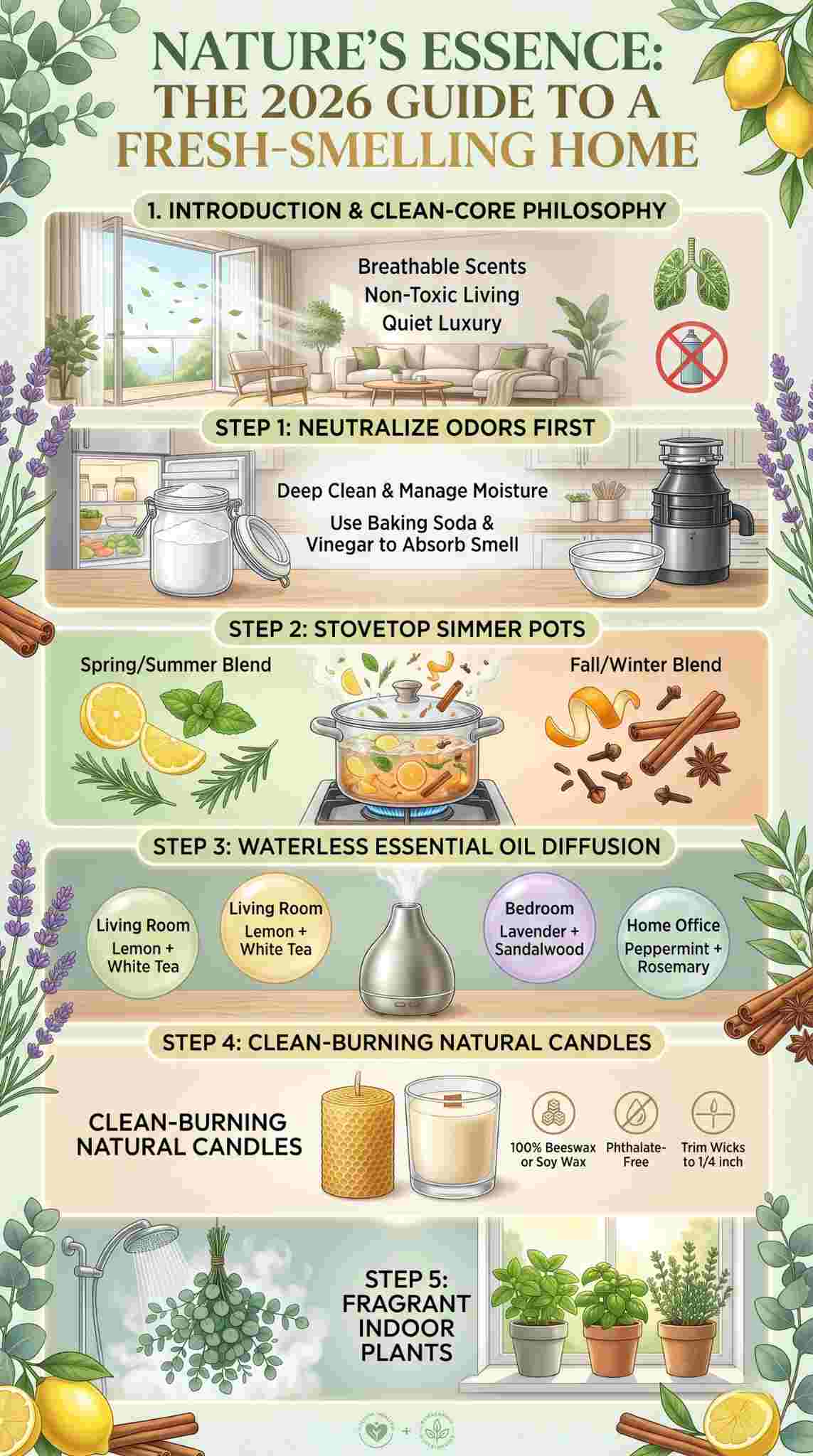
I completely understand if you refuse to give up your candles. The flickering warm light adds an emotional ambiance that absolutely nothing else can replicate in the evening. But you have to be incredibly picky about what kind of wax you actually burn inside your house. Cheap candles are major sources of indoor air pollution and respiratory issues.
|
Wax Type |
Source Material |
Burn Quality |
|
Paraffin |
Petroleum byproduct |
High soot, releases toxic chemicals |
|
Soy Wax |
Soybean oil |
Cleaner burn, holds scent very well |
|
Beeswax |
Honeycomb |
Zero toxins, natural honey scent, cleans air |
|
Coconut |
Coconut meat oil |
Very clean burn, sustainable, great throw |
Identifying Phthalate-Free and Clean-Burning Waxes
Walk right past the brightly colored, heavily perfumed cheap candles sitting at the local big-box store. You want to carefully read labels that explicitly say they are completely free of phthalates and parabens. I always look for candles made from 100 percent pure beeswax, coconut wax, or organic soy wax. Beeswax is my absolute favorite material because it naturally pulls toxins from the air as it burns and gives off a very faint, sweet honey smell naturally. Make sure the wick is made of unbleached cotton or natural crackling wood. And here is a huge pro tip for candle lovers: trim your wick to exactly a quarter of an inch before every single burn to drastically cut down on black smoke and soot.
Step 5: Incorporate Fragrant Indoor Plants and Herbs
Why buy a bottled synthetic scent when you can easily grow the real thing right on your windowsill? Keeping fragrant living plants inside your house serves two amazing purposes at once. First, they look beautiful and bring vibrant green life to a sterile room. Second, they release very subtle natural perfumes into the air entirely on their own. It is the easiest, most passive method to use when learning how to make your home smell good naturally on a tight budget.
|
Plant Name |
Ideal Room |
Care Level |
Natural Scent Profile |
|
Fresh Mint |
Kitchen |
Very easy |
Sharp, cool, awakening |
|
Lavender |
Bedroom |
Moderate |
Soft, powdery, relaxing |
|
Scented Geranium |
Living Room |
Easy |
Varies (rose, lemon, nutmeg) |
|
Eucalyptus |
Bathroom |
Easy (cut stems) |
Menthol, spa-like, clearing |
Best Plants for Natural Indoor Scent
If you have a bright, sunny kitchen window, line it up with small terracotta pots of fresh herbs like mint, basil, and creeping thyme. Every single time you brush past them to wash dishes or water the soil, they release their fresh natural oils directly into the room. For living rooms or bedrooms, look into buying scented geraniums. They are fascinating plants because they come in unique varieties that naturally smell exactly like roses, fresh lemons, or even spicy nutmeg. If you want a luxury spa experience in your own bathroom, buy a bundle of fresh eucalyptus branches and hang them right behind your showerhead. The hot, heavy steam pulls the natural oils right out of the green leaves, clearing your sinuses and making the whole room smell absolutely incredible.
Designing Your Home’s Signature Scent Profile
Home fragrance is now widely considered an essential part of modern interior design. You choose your wall paint colors and living room furniture carefully, and your daily scent should get the exact same level of attention. A signature scent ties your whole house together and gives your guests an immediate sense of your personal style.
|
Season |
Signature Scent Direction |
Key Natural Ingredients |
|
Spring |
Green and Floral |
Jasmine, clean linen, white tea |
|
Summer |
Aquatic and Citrus |
Sea salt, grapefruit, bergamot |
|
Autumn |
Earthy and Spicy |
Cedarwood, clove, sweet orange |
|
Winter |
Woody and Warm |
Sandalwood, pine needle, vanilla bean |
Matching Fragrance to the Season
The true secret to a great signature scent is knowing exactly when to change it. Your house fragrance should rotate perfectly with the outdoor calendar. Heavy notes like dark amber and clove are amazing and comforting in freezing December but feel completely suffocating in the humid July heat. In the summer, you want sheer lightness. Think about coastal escapes, crushed green fig leaves, and bright citrus peels. When autumn finally rolls around, transition slowly back to grounded, earthy scents like warm cedarwood and cinnamon. This mindful practice keeps your home perfectly in sync with nature outside.
How to Make Your Home Smell Good Naturally Every Day
If you are deciding how to make your home smell good naturally on a permanent basis, everyday consistency is the ultimate key. You cannot just boil a simmer pot once a month and expect everyday miracles. Open your bedroom windows every single morning to cycle the air. Empty your kitchen trash daily without fail. Run a waterless oil diffuser for just an hour in the late afternoon. Keep fresh baking soda hidden in your fridge. By simply layering these small, healthy daily habits, your house will always maintain that clean-core, quiet luxury feeling without a single drop of toxic synthetic perfume.
Final Thoughts
Creating a beautiful, inviting atmosphere in your house does not require compromising your family’s health. We now understand completely that the heavy, chemical-laden air fresheners of the past do far more physical harm than good. Embracing the massive clean-core trend of 2026 simply means focusing on subtle, high-quality, and non-toxic elements in your daily life. From cracking your windows open in the morning to running a modern waterless diffuser with pure plant extracts, the required steps are simple but incredibly effective. Remember, knowing how to make your home smell good naturally is a continuous, rewarding process of managing indoor moisture, eliminating bad odors at their true source, and introducing authentic earthly scents that truly elevate your daily mood.
Frequently Asked Questions (FAQs)
Do air purifiers remove natural home fragrances from the room?
Yes, high-quality air purifiers with HEPA and active carbon filters are designed to scrub the air of all volatile organic compounds, including the natural ones from essential oils and simmer pots. If you want to enjoy your natural scents, turn your air purifier off while you are actively diffusing, and turn it back on later to clean the air.
Can I put vanilla extract in my oven to scent the house?
Absolutely. Pouring two tablespoons of pure vanilla extract into a small, oven-safe ceramic dish and baking it at a low temperature for twenty minutes will make your entire house smell like a fresh bakery. It is a very old real estate trick that uses zero synthetic chemicals.
Why does my vacuum cleaner smell bad, and how can I naturally fix it?
Vacuums trap pet dander, dirt, and food particles, which breed odor-causing bacteria inside the warm canister. To fix this naturally, empty the dustbin completely, wash the reusable filters with hot water and white vinegar, and let them dry in direct sunlight. You can also sprinkle a pinch of ground cinnamon on your carpet and vacuum it up to naturally scent the exhaust air.
Are coffee beans effective for neutralizing room odors?
Yes, whole coffee beans contain natural nitrogen, which is highly effective at absorbing and neutralizing foul odors in the air. Placing a small bowl of fresh coffee beans on your kitchen counter can help eliminate lingering smells from cooking onions or frying food.
What is the exact difference between essential oils and fragrance oils?
Essential oils are extracted directly from real plants, flowers, and tree bark through steam distillation or cold pressing. Fragrance oils are manufactured synthetically in a laboratory using chemical compounds to mimic smells that cannot be extracted naturally, like the scent of fresh rain or cotton candy. Always stick to pure essential oils for a non-toxic home.